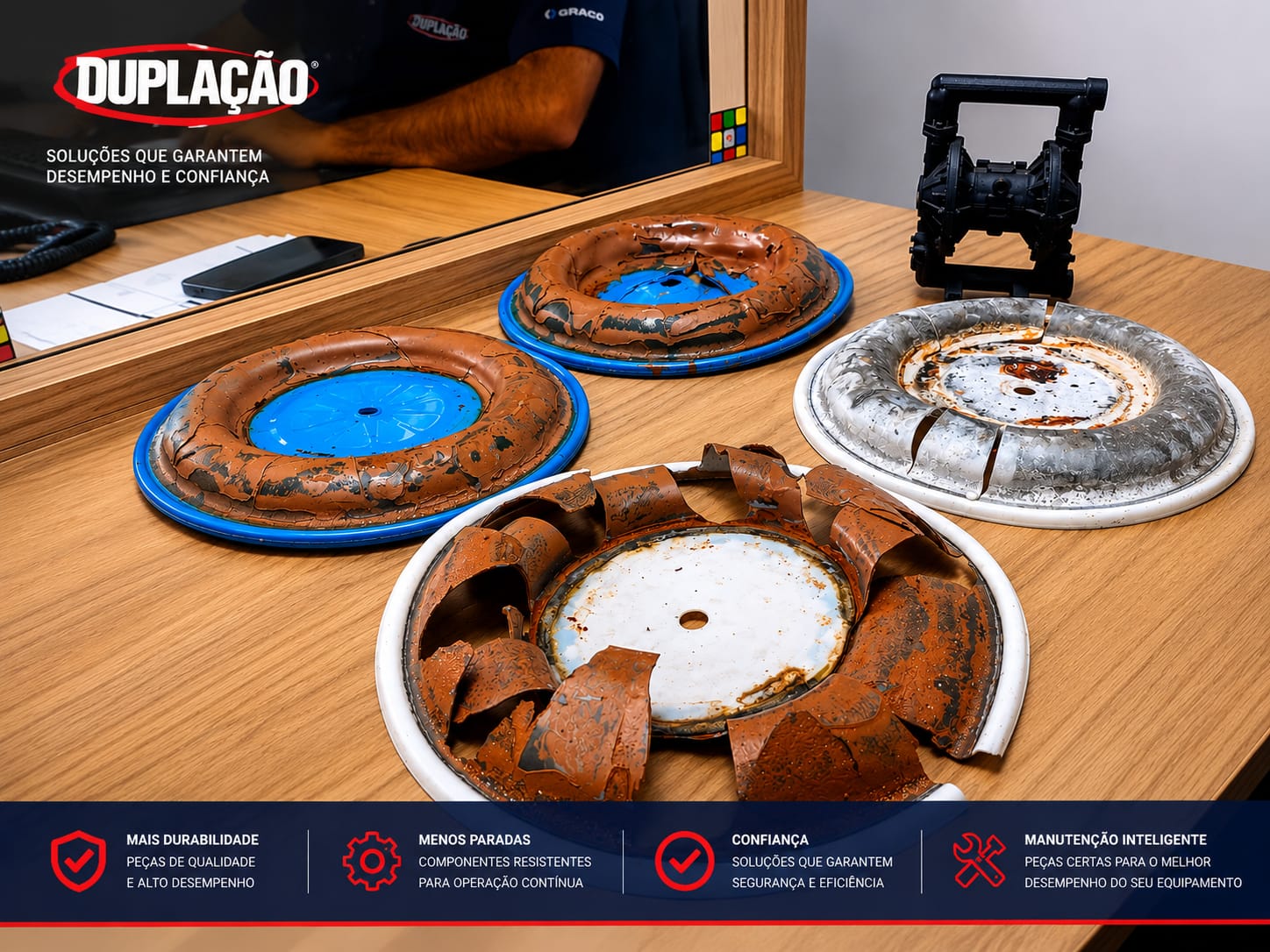
The rupture of the diaphragm bomba It can be avoided with regular monitoring, preventative maintenance and choosing appropriate materials. Identifying signs of problems and knowing when to call a professional are essential to ensuring the efficiency of the system.
Have you ever asked yourself Why does the pump diaphragm rupture? If so, you're in the right place! In this article, we will discuss the most common causes that lead to the rupture of the pump diaphragm, providing valuable tips for you to prevent these mishaps. A pump is essential equipment in several applications, and understanding the factors that contribute to its malfunction can make all the difference in its maintenance.
Main causes of diaphragm rupture
Pump diaphragm rupture can occur for several reasons. Understanding these causes is essential to guarantee the longevity of the equipment and avoid unexpected downtime. Here are the main causes of diaphragm rupture:
1. Excessive Pressure
One of the most common causes is excessive pressure within the system. When pressure exceeds recommended limits, the diaphragm can wear quickly and eventually rupture.
2. Inadequate Materials
Or use of inappropriate materials to the diaphragm can lead to premature failure. It is crucial to choose a diaphragm made from materials that are compatible with the fluids being pumped.
3. Fluid Contamination
The presence of contaminants in the pumped fluid can cause damage to the diaphragm. Solid particles or aggressive chemicals can wear down the material and lead to breakage.
4. Lack of Maintenance
A lack of maintenance regular is another significant cause. Inspecting and replacing the diaphragm as needed can prevent breakage and ensure efficient pump operation.
Signs that the diaphragm has a problem
Identify the signs that the diaphragm has a problem is crucial to prevent further damage to the pump. Here are some of the key indicators you should watch out for:
1. Visible Leaks
One of the most obvious signs of diaphragm problems is the presence of leaks. If you notice fluids around the pump, this may indicate that the diaphragm is compromised.
2. Strange Noises
Unusual noises, such as clicks or buzzing, may be a sign that the diaphragm is not working properly. These sounds may indicate that the diaphragm is wearing out or moving inappropriately.
3. Pressure Drop
One pressure drop in the system may be an indication that the diaphragm is not sealing properly. This can affect pump performance and system efficiency.
4. Flow Changes
If you notice changes in flow of fluid, such as a sudden or intermittent decrease, this could be a sign that the diaphragm is having trouble and needs to be inspected.
How to avoid rupture of the pump diaphragm
Preventing rupture of the pump diaphragm is essential to ensure efficient operation of the equipment. Here are some effective strategies for prevent rupture of the pump diaphragm:
1. Regular Monitoring
Realize regular inspections is fundamental. Frequently check the condition of the diaphragm and other pump components to identify signs of wear before they become major problems.
2. Pressure Adjustment
Make sure the system pressure is within the limits recommended by the manufacturer. Pressure adjustments can prevent excessive stress on the diaphragm, prolonging its life.
3. Choosing Suitable Materials
Use diaphragms made from appropriate materials for the type of fluid being pumped. Compatible materials help prevent chemical reactions that can damage the diaphragm.
4. Preventive Maintenance
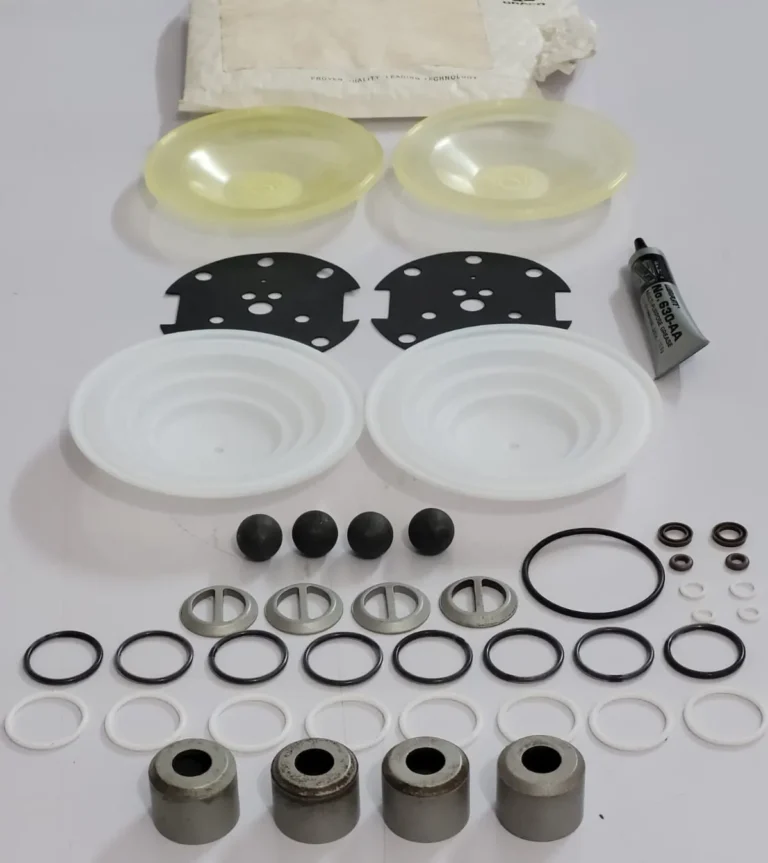
Implement a program preventive maintenance which includes replacing the diaphragm at regular intervals, even if there are no visible signs of failure. This can prevent unexpected breakages.
When to call a professional to replace the diaphragm
Identify the right time to Call a professional to replace the diaphragm of the pump is crucial to prevent further damage and ensure system efficiency. Here are some situations in which you should consider expert assistance:
1. Visible Signs of Damage
If you notice visible damage on the diaphragm, such as cracks or wear, it's time to call a professional. Ignoring these signs can lead to more serious failures.
2. Persistent Leaks
Leaks that cannot be corrected with simple adjustments indicate that the diaphragm may be compromised. A technician can assess the situation and make the necessary changes.
3. Drop in Performance
If the pump has a drop in performance significant, such as a reduction in pressure or flow, this may be a sign that the diaphragm needs to be replaced. A professional can diagnose the problem correctly.
4. Lack of Experience
If you have no experience in pump maintenance, it is always better consult a specialist. They have the knowledge and appropriate tools to carry out the exchange safely and effectively.
In summary, how to avoid problems with the pump diaphragm
Understanding the causes of diaphragm rupture and signs of trouble is essential to keeping your pump running efficiently. Through regular monitoring, preventive maintenance and the choice of suitable materials, you can prolong the Diaphragm Life.
Additionally, knowing when to call a professional for a diaphragm replacement can prevent further damage and ensure that your pump operates at its maximum capacity.
With these practices, you not only protect your investment, but also ensure reliable and efficient performance of your pneumatic system.
FAQ – Pump Diaphragm Frequently Asked Questions
What are the main causes of pump diaphragm rupture?
The main causes include excessive pressure, inadequate materials, fluid contamination and lack of maintenance.
How can I identify if the pump diaphragm is having problems?
Signs include visible leaks, strange noises, pressure drops, and changes in fluid flow.
What can I do to prevent my diaphragm from rupturing?
Regular monitoring, pressure adjustment, choosing suitable materials and preventative maintenance are essential.
When should I call a professional to replace the diaphragm?
Call a professional if you notice visible damage, persistent leaks, decreased performance, or if you are inexperienced in maintenance.
How important is preventive maintenance for the pump diaphragm?
Preventative maintenance helps identify problems before they become serious, ensuring efficient pump operation.
How to choose the suitable material for the pump diaphragm?
Choose materials that are compatible with the fluids being pumped and that meet the manufacturer's specifications.