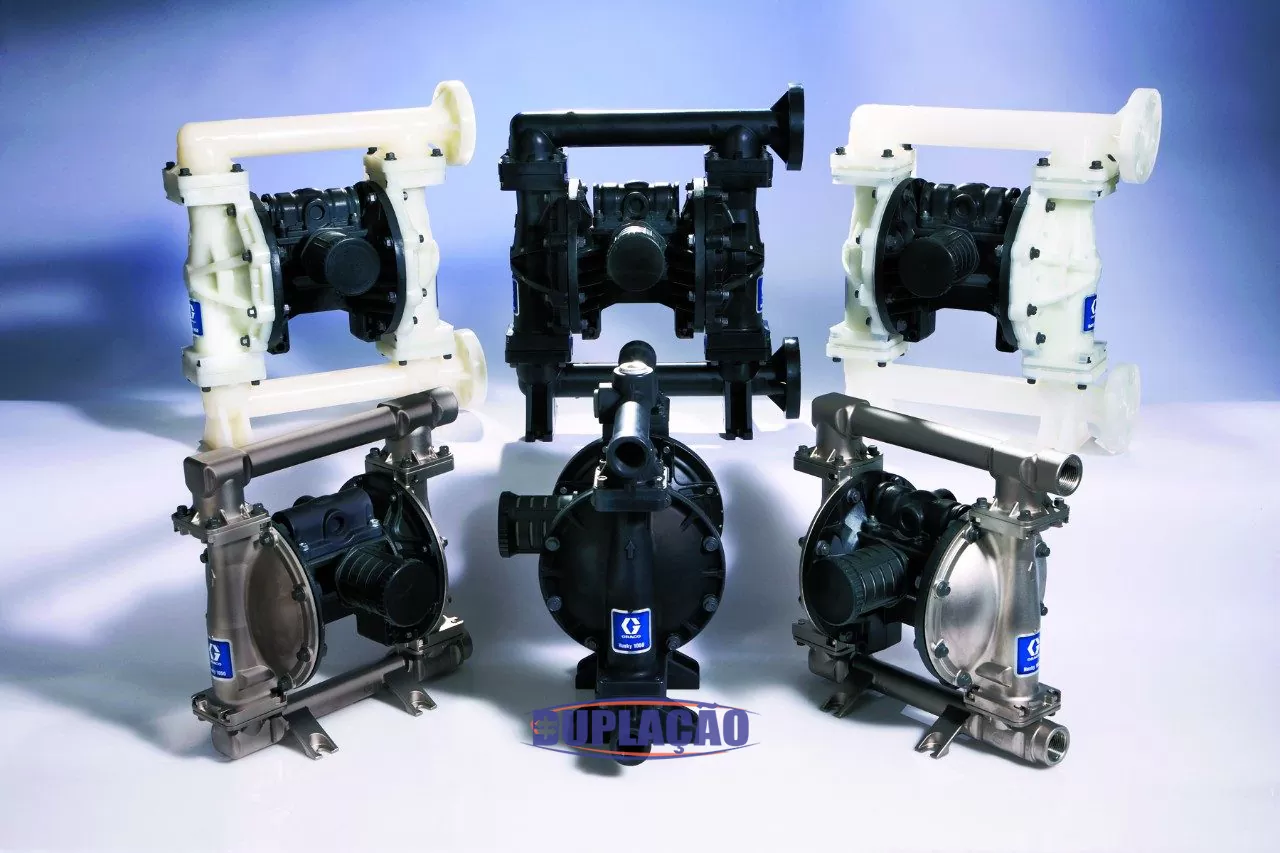
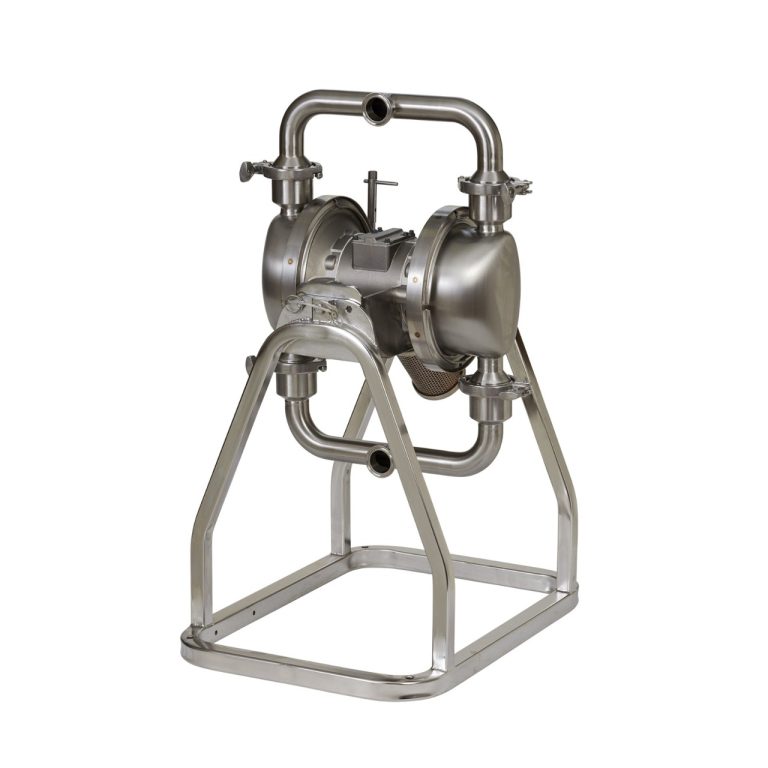
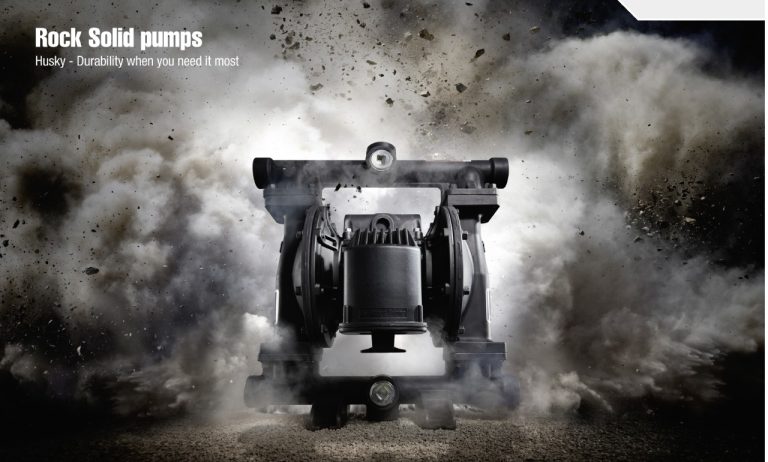
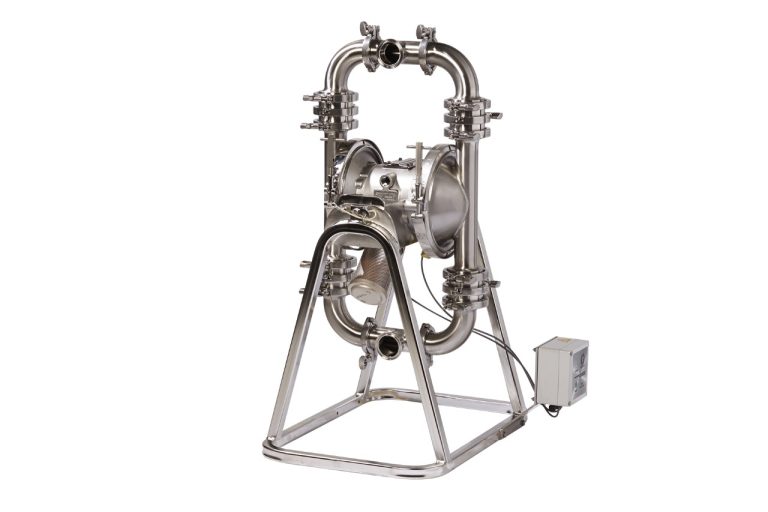
Diaphragm pumps are efficient and versatile devices, widely used in industry to transfer fluids. They stand out for their safety, ease of maintenance and ability to operate in a variety of applications, from chemicals to painting systems and wastewater treatment.
A diaphragm pump efficiency begins gaining prominence in modern industry. This equipment is essential for optimizing production processes, ensuring greater precision and cost reduction. In this article, we will explore how the diaphragm pump works, its advantages and where it can be applied.
What is a diaphragm pump?
One diaphragm pump is a pumping device that uses a flexible diaphragm to move fluids. This type of pump is widely used in various industries due to its ability to handle viscous and abrasive liquids, as well as offering safe and efficient operation.
How a Diaphragm Pump Works
The operation of the diaphragm pump is based on the reciprocating movement of the diaphragm, which creates a pressure variation within the pump chamber. When the diaphragm moves down, it creates a vacuum that pulls fluid into the chamber. Then, as the diaphragm moves upward, it presses the fluid out of the pump, generating the desired flow.
Advantages of Diaphragm Pumps
Diaphragm pumps offer several advantages, such as the ability to pump corrosive liquids without damaging the equipment, the possibility of operating in high pressure environments and ease of maintenance. Additionally, they are capable of running dry, meaning there is no risk of damage if there is no fluid present.
Common applications
These pumps are often used in applications such as chemical transfer, paint systems, and in the food and pharmaceutical industries, where precision and safety are essential.
Advantages of the diaphragm pump in industry
As diaphragm pumps offer several advantages that make them ideal for industrial applications. One of the main characteristics is their ability to deal with viscous and abrasive fluids, which makes them versatile in different sectors.
Energy efficiency
These pumps are designed to operate at high efficiency, consuming less energy compared to other types of pumps. This results in operational cost savings and lower environmental impact.
Operational security
Diaphragm pumps are safe to operate as they can run dry without risk of damage. This is especially important in industrial environments where safety is a priority.
Ease of maintenance
Maintenance of diaphragm pumps is simple and quick, which minimizes downtime. Most models allow easy access to internal components, making repairs and replacements easier.
Application Versatility
These pumps are used in a wide range of applications, from transferring chemicals to painting systems and supplying fluids in industrial processes. Your adaptability is a big advantage.
Flow Accuracy
Diaphragm pumps offer precise flow control, allowing fine adjustments as needed. This is crucial in processes that require accurate measurements and consistency in fluid delivery.
How diaphragm pump efficiency works
A diaphragm pump efficiency it is directly related to its design and the way it operates. This type of pump uses a flexible diaphragm that moves to create pressure and vacuum, allowing fluids to move in a controlled and efficient manner.
Principle of operation
The operation of the diaphragm pump is based on the reciprocating movement of the diaphragm. When the diaphragm expands, it creates a vacuum that draws fluid into the pump chamber. Then, by contracting, the diaphragm pushes the fluid out, generating flow. This continuous cycle is what guarantees efficiency in the movement of liquids.
Flow Control
One of the main features that contributes to the efficiency of the diaphragm pump is the ability to precisely control flow. This is achieved by adjusting the speed of diaphragm movement, allowing the pump to operate at different pressure and volume conditions.
Loss Reduction
Diaphragm pumps are designed to minimize losses during the pumping process. This means less energy is wasted, resulting in more efficient performance. Effective sealing also helps prevent leaks, increasing system reliability.
Applications in Various Sectors
The efficiency of diaphragm pumps makes them ideal for a variety of applications, including chemical transfer, paint systems and food processes. Its ability to handle fluids of different viscosities and compositions is a major differentiator.
Maintenance and Durability
Regular maintenance of diaphragm pumps is simple and contributes to their long-term efficiency. With proper care, this equipment can operate for long periods without significant loss of performance, which is essential in industrial environments.
Practical applications of the diaphragm pump
As diaphragm pumps They are widely used in various industries due to their versatility and efficiency. They are ideal for applications that require the handling of fluids of different viscosities and chemical compositions.
Chemical Transfer
One of the most common applications of diaphragm pumps is in the transfer of chemical products. They are capable of pumping corrosive and abrasive liquids without compromising the integrity of the equipment, ensuring safety and efficiency in the process.
Painting Systems
Diaphragm pumps are often used in industrial painting systems. They allow the uniform application of paints and coatings, providing a high quality finish. Precision in flow control is essential to avoid waste and ensure consistent results.
Food industry
In the food sector, diaphragm pumps are used to transfer ingredients and finished products. Their ability to operate in sanitary environments and to handle viscous liquids, such as sauces and creams, makes them indispensable for ensuring the quality and safety of food.
Wastewater Treatment
Diaphragm pumps also play a crucial role in wastewater treatment. They are used to pump sludge and other waste, helping to maintain the efficiency of treatment systems and protect the environment.
Applications in Laboratories
In laboratory environments, diaphragm pumps are used for precise dosing of reagents and solvents. Its ability to operate with high precision is essential to guarantee reliable results in chemical experiments and analyses.
Future of diaphragm pumps in industry
O future of diaphragm pumps in the industry appears promising, with technological innovations and the growing demand for efficient and sustainable solutions. As industries seek to optimize processes and reduce costs, diaphragm pumps stand out as a viable choice.
Technological Innovations
Innovations in materials and design are making diaphragm pumps even more efficient. New materials resistant to corrosion and wear are being developed, increasing the durability and reliability of this equipment.
Automation and Integration
Industrial automation is expanding rapidly, and diaphragm pumps are not left out. Integration with advanced control systems enables real-time monitoring and automatic adjustments, improving operational efficiency and reducing the need for manual intervention.
Sustainability
With growing environmental concerns, diaphragm pumps are adapting to meet sustainability standards. They are designed to minimize resource waste and reduce the carbon footprint, making them a more environmentally friendly option for industries.
Application Expansion
The applications of diaphragm pumps are expanding into new sectors such as renewable energy and biotechnology. Their versatility allows them to be used in innovative processes, such as the production of biofuels and wastewater treatment.
Qualification and Training
As technology advances, training the professionals who operate and maintain these pumps becomes essential. Training and certification programs are being developed to ensure workers are prepared to deal with new technologies and processes.
The Future of Diaphragm Pumps in Industry
Diaphragm pumps are becoming increasingly essential in various industries due to their efficiency and versatility. With technological innovations, automation and an increasing focus on sustainable practices, these pumps are poised to play an even more important role in the future.
As industries seek solutions that not only optimize processes but also respect the environment, diaphragm pumps stand out as a smart choice. Their ability to adapt to new applications and technologies ensures they will continue to be a valuable tool.
Investing in qualification and training for professionals who operate these pumps is essential to ensure that industries can make the most of their advantages. Therefore, the future of diaphragm pumps is promising and full of opportunities for innovation and growth.
FAQ – Frequently asked questions about diaphragm pumps in industry
What are the main advantages of diaphragm pumps?
Diaphragm pumps offer high efficiency, operational safety, ease of maintenance and versatility in industrial applications.
How does a diaphragm pump work?
A diaphragm pump uses a flexible diaphragm that moves to create pressure and vacuum, allowing for the controlled movement of fluids.
In which sectors are diaphragm pumps used?
These pumps are used in sectors such as chemical, food, painting, wastewater treatment and laboratories.
What is the future of diaphragm pumps in industry?
The future of diaphragm pumps includes technological innovations, automation, sustainable practices and expanding applications into new sectors.
How can automation benefit the use of diaphragm pumps?
Automation enables real-time monitoring and automatic adjustments, improving operational efficiency and reducing the need for manual intervention.
Why is it important to train professionals who operate diaphragm pumps?
Training is essential to ensure that professionals are prepared to deal with new technologies and maximize pump efficiency.