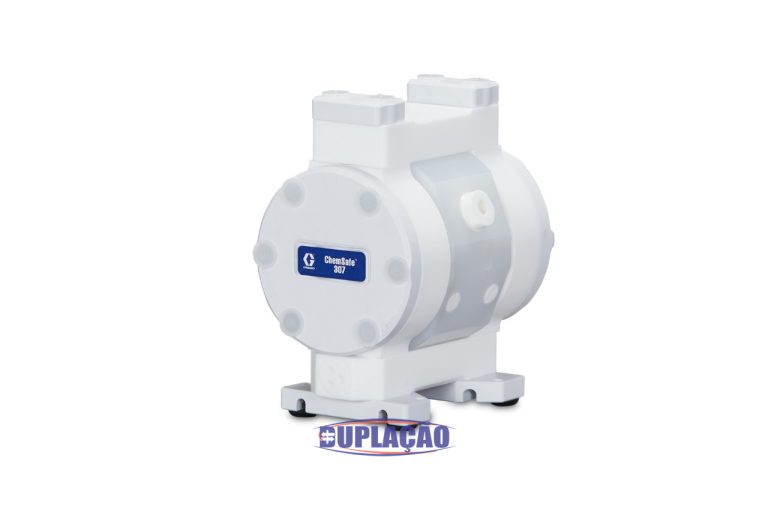
One of the biggest benefits of pneumatic diaphragm pumps is that they do not require electrical energy to operate, requiring only compressed air to ensure their functions. Within the oil and gas industry, some companies have chosen to use an alternative and easily accessible energy source, which is natural gas.
This way, they eliminate the need to use an air compressor and are able to use an easily accessible and low-cost energy source, providing greater cost-benefit.
Due to the change in feeding mechanisms, pumps that are operated by natural gas require an exclusive set of requirements and safety standards to guarantee the protection of employees and the environment where the pump is operated. bomba is being used. For this there is a specific safety certification, focused on meeting the demand for this type of pump. With this certification, the pumps are designed and tested to be able to be powered by natural gas in accordance with some specific requirements.
How can pneumatic diaphragm pumps be applied in the oil and gas industry?
These pumps, as they are highly functional and available, help to meet various demands within the oil and gas sector, as we will see below:
Transfer of lubricating oil;
Flare de Knockout;
Water composition transfer;
Glycol recirculation;
General transfer;
Diesel fuel transfer;
Pumping seawater to remove drilling mud;
Condensate transfer;
Produced water separators and drums;
Bilge pumping transfer;
And much more.
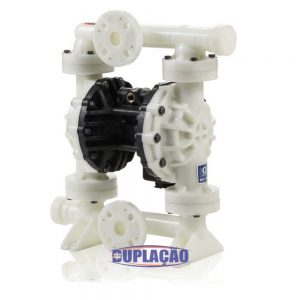
For the upstream and midstream markets, these pumps can also guarantee high productivity and safety:
Upstream
Pneumatic Flap valve diaphragm pumps designed for heavy duty, can be driven by compressed air, making them ideal equipment for bilge wells and mud transfer. Due to its design and constitution, it is possible to guarantee the passage of larger solids than traditional ball valve pumps, which are applied to abrasive slurries, suspended solids and line size solids.
Therefore, it is a highly efficient pump for pumping oil and gas. The lower discharge port helps reduce damage caused by debris settling inside the pump. It also has a thick wall that guarantees prolonged use.
The main benefits of these pumps in this market are:
Water pressure valves that can handle viscous fluids, abrasives and pastes;
Can handle 50mm solids;
Has lower discharge;
It is portable;
It has a lower discharge port to eliminate damage caused by sedimentation.
Midstream
Intermediate applications can also benefit from pneumatic diaphragm pumps. These pumps have all the necessary certifications to guarantee reliability and safety within the oil and gas industry.
Can be manufactured in different materials, these pumps can be found in a wide variety of sizes, being used for:
Compression slip;
Glycol transfer;
Transfer of lubricating oil;
Flag knockout;
Recirculation of the bottom of the tank.
The main benefits of this pump are:
Greater security as it complies with all industry security explanations and standards;
They can be grounded, making them safe in explosive atmospheres;
It features a dual power supply (can be powered by either compressed air or natural gas, depending on the demand and needs of the Industry).
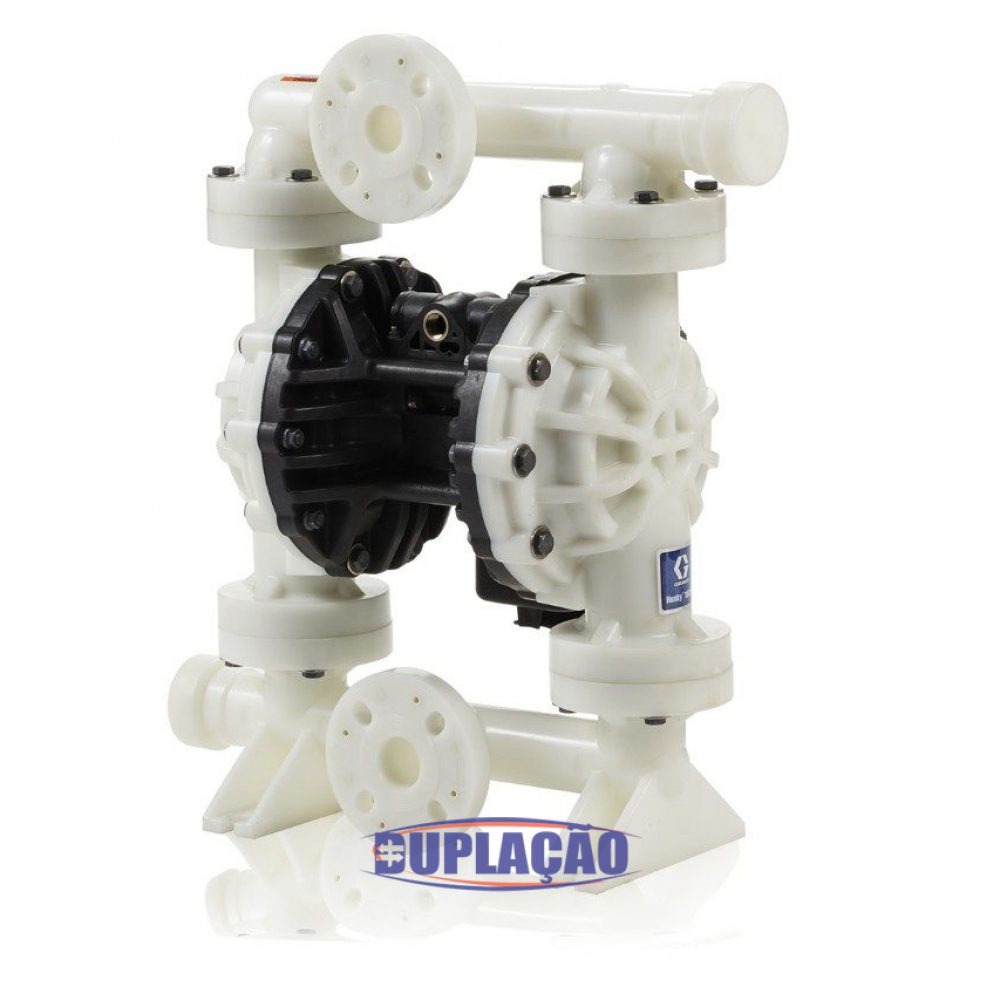
Discover the double diaphragm pneumatic pump HUSKY 2200 – GRACO.