Technical Analysis Criteria: When is the repair worth it?
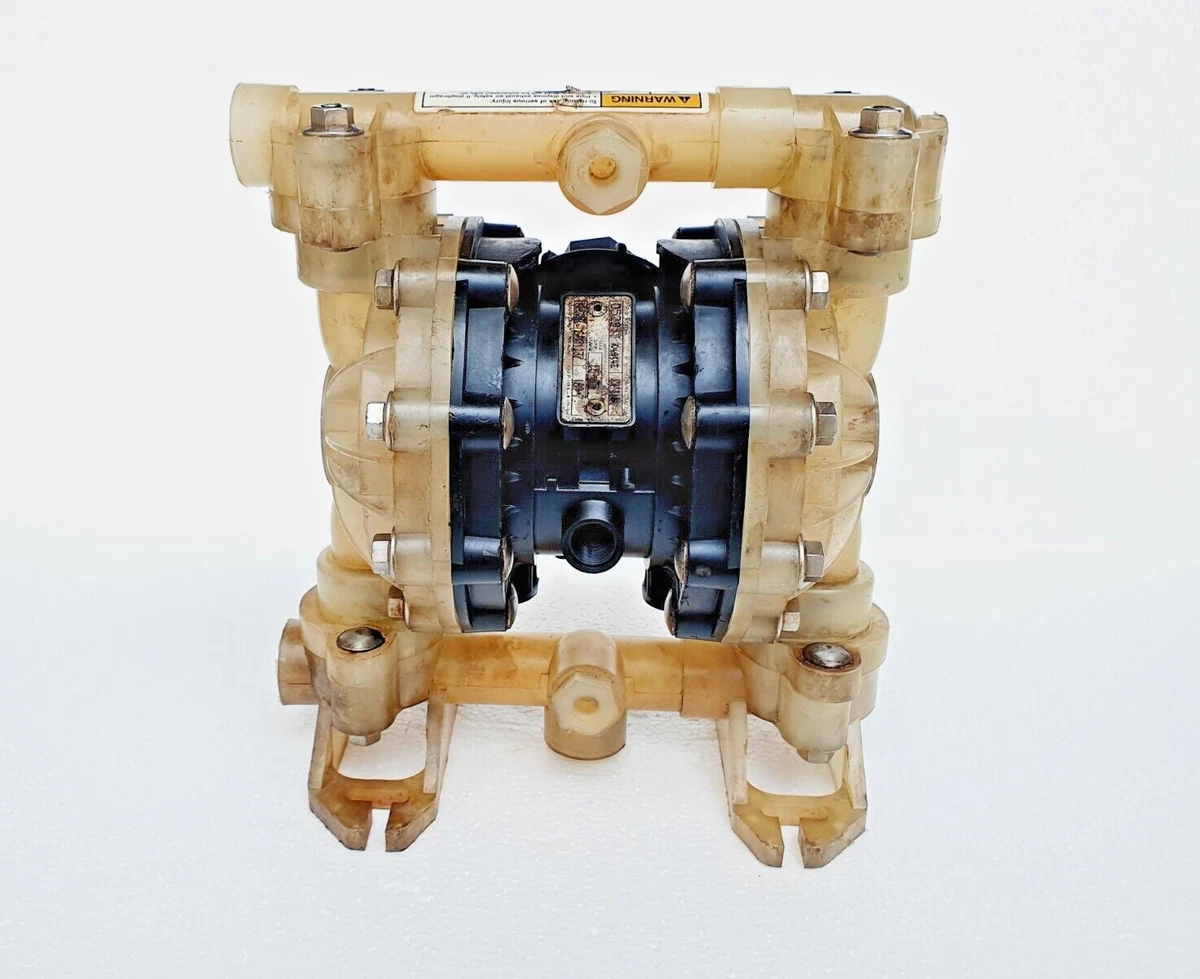
There is a set of decisions about reforming bomba diaphragm or is it worth rebuilding a diaphragm pump that rarely appears in commercial conversations — and it is precisely this that weighs heavily on your pocket. In the management of industrial maintenance and chemical processes, downtime directly impacts operational costs. When there is a drop in flow, excessive noise or a leak in the diaphragm pump, the technical team's main question arises: is it worth refurbishing an old diaphragm pump or buying a new one?
To define whether equipment recovery is viable, maintenance engineering must evaluate the integrity of the pump subassemblies:
In the vast majority of industrial applications, diaphragm pump repair is highly cost-effective. As it is modular equipment, the correct replacement of wear components restores the pump's nominal performance curve, guaranteeing savings of up to 70% in relation to the price of a single pneumatic diaphragm pump nova.
In this technical guide, you will understand the criteria for evaluating whether the renovation is worth it, how to identify flaws in the housing and when a complete replacement of the equipment is essential.
Condition of the Housing and Collectors (Manifolds)
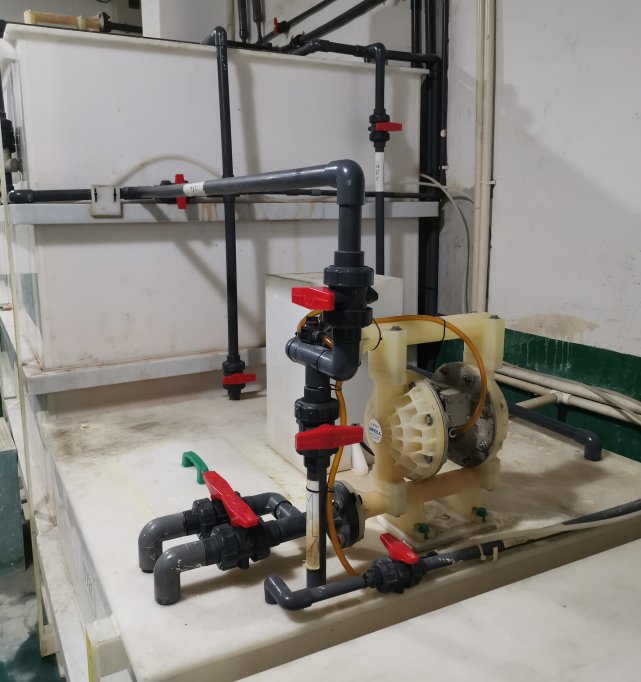
The housing: whether in Aluminum, 316 Stainless Steel, Cast Iron, Polyprolene (PP) or PVDF — represents the largest fraction of the asset’s value.
Diagnosis: If there are no structural cracks, deep wear due to cavitation or erosion on the sealing surfaces (ball seats and flanges), renovation is 100% indicated.
Diaphragm Pump Repair Kit Replacement
Operating components such as diaphragms (PTFE/Teflon, Santoprene, EPDM, Viton, Buna-N), balls, seats and o-rings suffer degradation from continuous bending or chemical attack.
Replacing the pump diaphragm and seals returns the suction capacity and original tightness without the need to discard the equipment body.
Assessment of the Cost x Benefit Relationship (50% Rule)
If the investment in pneumatic pump repair kit of diaphragm added to specialized labor is up to 50% of the value of new equipment, the renovation guarantees a quick return on investment (Payback).
Warning Signs: When to Replace a New Pump?
Although reconditioning is advantageous, there are scenarios in which repair becomes unfeasible and complete replacement is recommended:
Thermal Deformation and Cracks: Cracks in the plastic body due to temperature spikes or metal cracks caused by water hammer in the piping.
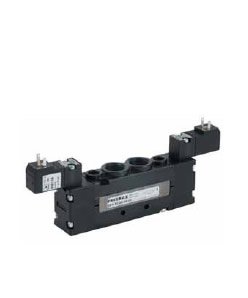
Severe Wear on the Central Air Block: Irrecoverable damage to the compressed air distribution valve (spool/spool or pilot block) due to the use of contaminated air without lubrication/filtering.
Obsolescence and Lack of Replacement Parts: Old pumps out of line whose replacement kits are scarce on the market, increasing factory downtime.
Comparison Table: Reform vs. New Purchase
| Technical Indicator | Refurbish the Pump | Buy New Pump |
| Estimated Cost | 30% to 50% of the asset value | 100% of market value |
| Stop Time (Downtime) | Fast (kit change in a few hours) | Depends on delivery time and manufacturer's stock |
| Carcass Utilization | 100% reuse of the structure | Usable structure discard |
| Service Guarantee | Warranty on kit parts and service | Factory warranty with |
Conclusion
The answer to the question “is it worth refurbishing an old diaphragm pump?” it is YES, in the vast majority of industrial applications. Preventive and corrective maintenance with the replacement of the original or compatible repair kit preserves the asset, reduces OPEX costs and restores the operational efficiency of the production line.
Do you need technical diagnosis, corrective maintenance or repair kits for pneumatic diaphragm pumps? Contact our fluidic systems experts and request a quote.
To check the aforementioned normative parameters, consult the technical reference documentation on rebuild diaphragm pump or is it worth rebuilding diaphragm pump.
Conclusion: Keep your options open in industrial automation
Deciding to refurbish an old diaphragm pump requires a detailed analysis of the costs involved and the potential benefits. Sometimes it's easy to forget that well-maintained equipment can provide significant returns over time. Always consider all variables involved before making this critical decision.
Frequently Asked Questions about rebuilding a diaphragm pump or is it worth rebuilding a diaphragm pump
What is the average useful life of a pneumatic pump diaphragm?: what changes when rebuilding a diaphragm pump or is it worth rebuilding a diaphragm pump
The useful life depends on the aggressiveness of the fluid, working pressure and operating cycles. Under ideal conditions, PTFE (Teflon) diaphragms and thermoplastic elastomers withstand 20 to 50 million cycles before experiencing mechanical fatigue.
What are the main reasons for diaphragm pump defects?
The most frequent problems include: suction cavitation, chemical incompatibility of the elastomer with the pumped product, presence of abrasive solids above the permitted limit, humid/contaminated compressed air and excess pressure in the line.
What comes in the diaphragm pump repair kit?
The fluid kit includes main diaphragms, backup diaphragms, balls, seal seats and o-rings. The air kit includes gaskets, center shaft o-rings, seals and air distributor valve components.
Can I change the diaphragm material during maintenance?
Yes. It is common to upgrade the diaphragm material during renovation (for example, switching from Buna-N to Santoprene or PTFE/Teflon) to increase the thermal, chemical or mechanical resistance of the pump.