A bomba pneumatic diaphragm is an efficient and versatile solution for transporting fluids in various industries, offering safety, durability and ease of maintenance. Proper selection and maintenance ensure optimal performance and extend the life of the equipment.
A pneumatic diaphragm pump It is an essential tool in many industries, offering an efficient and reliable way to move liquids. This technology is especially valued for its versatility and durability, allowing companies to adopt practical solutions for the transportation of fluids. In this article, we will find out the main features, benefits and applications that make the pneumatic diaphragm pump an excellent choice for your operational needs.
What is a pneumatic diaphragm pump?
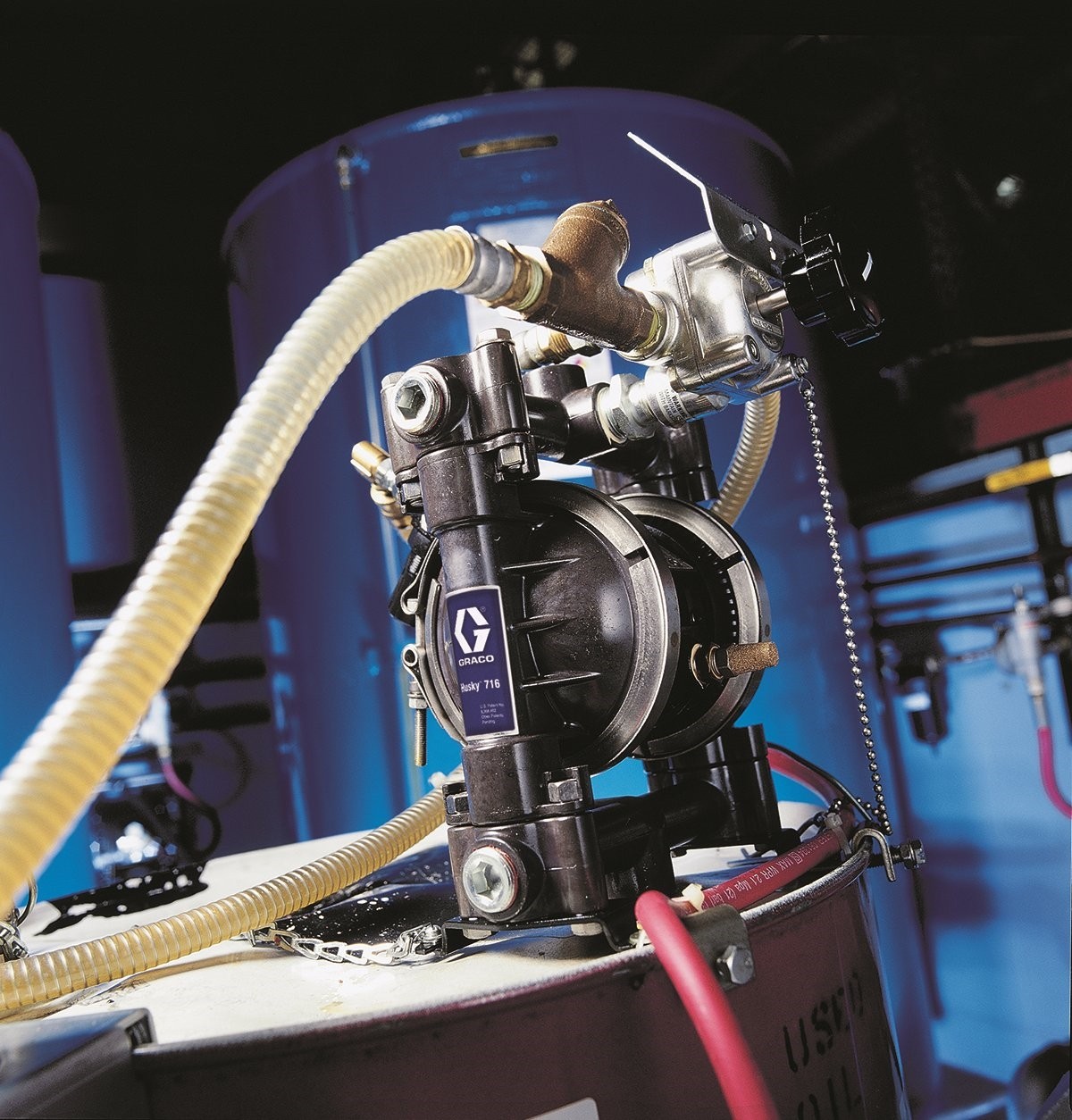
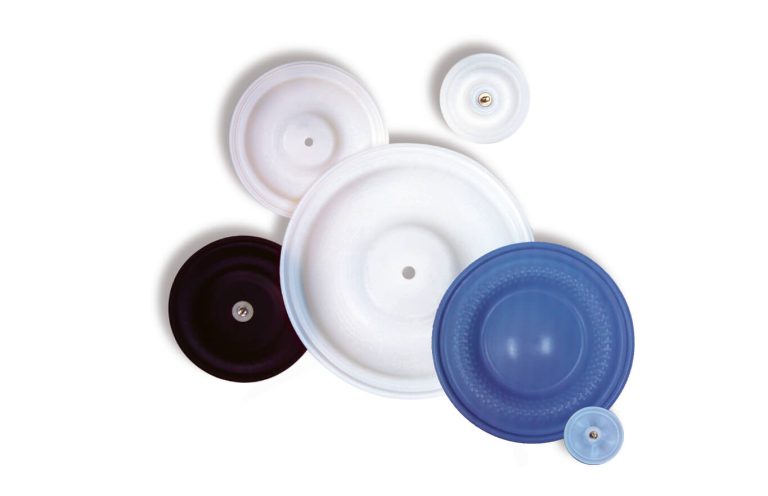
A pneumatic diaphragm pump It is a device designed to pump liquids and gases using air pressure. This type of pump consists of a flexible diaphragm that moves back and forth, creating a suction and pressure action that allows fluid transport efficiently. Pneumatic diaphragm pumps are widely used in various industries, including chemistry, pharmaceutical and food, due to their ability to handle viscous and abrasive liquids.
One of the main advantages of this type of pump is its versatility. They can be used to pump a variety of fluids, from water to corrosive chemicals without the need for electrical components, which makes them safe for potentially explosive environments.
In addition, pneumatic diaphragm pumps are known for their durability and low maintenance. Simple and robust design allows them to operate in adverse conditions, ensuring reliable performance over time.
Advantages of the pneumatic diaphragm pump
A pneumatic diaphragm pump It offers several advantages that make it a popular choice in industrial applications. One of the main advantages is your versatility. These pumps can deal with a wide range of fluids, including corrosive, viscous and even suspended solids, which makes them suitable for different sectors such as chemical, pharmaceutical and food.
Another significant advantage is the security. As they operate with compressed air, they do not have electrical components, reducing the risk of explosions in hazardous environments. This makes them ideal for places where there is a risk of ignition.
In addition, pneumatic diaphragm pumps are known for their durability e low maintenance. The robust design allows them to work in adverse conditions, minimizing the need for frequent repairs and prolonging their life.
O flow control It is also an important feature. These pumps allow accurate pumping rate adjustments, facilitating fluid handling in different viscosities and pressures.
Finally, the ease of installation and operation is a positive point. Most pneumatic diaphragm pumps can be installed quickly and requires minimal operation training, allowing companies to integrate these solutions into their processes efficiently.
Industrial applications of the pneumatic diaphragm pump
A pneumatic diaphragm pump It is widely used in various industrial applications due to its versatility and efficiency. One of the main areas of application is in chemical industrywhere these pumps are used to transfer corrosive and viscous chemicals. Your ability to deal with aggressive fluids without compromising safety is an essential feature in this sector.
Na food industry, pneumatic diaphragm pumps are used to handle ingredients and end products. They guarantee fluid integrity, avoiding contamination, and are easy to clean, meeting the required hygiene standards.
Another common use is in pharmaceuticalwhere accuracy and safety are crucial. Pumps are used to pump liquids in manufacturing processes, ensuring that formulations are kept under ideal conditions.
In addition, pneumatic diaphragm pumps are effective in painting and coatingwhere they are used to apply paints and coatings evenly. Its ability to adjust the flow allows precise control during the application process.
Finally, these pumps are also used in Water Treatment Systemswhere they help move and dose chemicals needed to treat and purify water, contributing to the efficiency and effectiveness of sanitation processes.
How to choose the right pneumatic diaphragm pump
Choose the pneumatic diaphragm pump Certainly is crucial to ensuring efficiency and safety in its operations. There are several factors to consider when making this choice.
First, it is important to evaluate the Type of fluid that will be pumped. Different fluids have different properties, such as viscosity and corrosivity, which can influence the selection of the pump. For example, if you are dealing with corrosive liquids, a pump with corrosion resistant materials is essential.
Another aspect to consider is the flow rate necessary. The pump must be able to meet the flow demand for your system. Check the manufacturer's specifications to ensure that the chosen pump can operate within the desired parameters.
A operating pressure It is also a critical factor. Make sure the pump can withstand the pressure required for your process. Pumps with inadequate pressure capabilities may fail or cause damage to the system.
Also, consider ease of maintenance. Pumps that are easy to dismantle and clean can save time and long -term costs. Make sure the manufacturer offers accessible replacement support and spare parts.
Lastly, it is recommended to consult a specialist in pneumatic pumps. Professionals can provide valuable guidelines and help select the most suitable equipment for your specific needs.
Maintenance and care of the pneumatic diaphragm pump
A maintenance adequate pneumatic diaphragm pump It is essential to ensure its ideal performance and prolong its useful life. Next, we present some recommended practices for maintenance and care for these bombs.
First, it is important to perform regular inspections. Often check whether there are leaks, wear or visible damage to the pump parts. Inspecting the connections and diaphragms is crucial as these areas are prone to failures.
In addition, the cleaning It is a vital part of maintenance. Remove waste and contaminants that can accumulate in the pump. Use proper cleaning products and follow the manufacturer's instructions to avoid damage to the components.
Another important aspect is the lubrication. Some pumps may require lubrication in moving parts. See the user manual to find out which components need lubrication and how often this should be done.
It is also recommended pump periodically. Perform operating tests to ensure that the pump is operating within the specifications. This helps identify problems before they become more serious.
Finally, keep a Maintenance Record. Documenting all maintenance activities performed can help monitor pump performance and facilitate the identification of failure patterns.
FINAL CONSIDERATIONS ON THE PNEUMATIC DIAFRAME PUMP
The pneumatic diaphragm pump is an effective and versatile solution for various industrial applications. With its advantages, such as safety, durability and ease of maintenance, it stands out in sectors such as chemical, food and pharmacist.
Choosing the right pump and performing proper maintenance are essential steps to ensure its ideal performance. By following the recommended practices, you can maximize the efficiency and life of the equipment.
Investing in a pneumatic diaphragm pump is a smart decision for companies that seek to optimize their processes and ensure the quality in their operations.
FAQ - Frequently asked questions about pneumatic diaphragm pumps
What are the main advantages of pneumatic diaphragm pumps?
Pneumatic diaphragm pumps offer versatility, safety, durability and ease of maintenance, being suitable for various fluids.
How can I choose the right pneumatic diaphragm pump for my application?
Consider the fluid type, the necessary flow rate, the operating pressure and the ease of maintenance when choosing the pump.
Which industries do most use pneumatic diaphragm pumps?
These pumps are widely used in the chemical, food, pharmaceutical and water treatment systems.
What is the importance of maintaining pneumatic diaphragm pumps?
Proper maintenance ensures ideal performance, prolongs pump life and avoids unexpected failures.
How can I maintain a pneumatic diaphragm pump?
Perform regular inspections, cleaning, lubrications and operating tests to ensure the pump operates correctly.
Are pneumatic diaphragm pumps safe for industrial environments?
Yes, they are safe because they operate with compressed air and do not have electrical components, reducing the risk of explosions.