Rugged diaphragms are essential components in industrial systems, designed to withstand aggressive chemicals and harsh conditions. They guarantee safety and efficiency in applications in the chemical, pharmaceutical, food and petroleum industries, being manufactured with materials such as PTFE and nitrile rubber.
Have you ever wondered how aggressive chemical resistant diaphragms Can they change the game in industries? These are essential components that ensure safety and efficiency in challenging environments. In this article, we will discover what these diaphragms are, their advantages, the materials most used in production and how to choose the ideal model for your specific needs.
What are resistant diaphragms?
Os resistant diaphragms are essential components in pneumatic and hydraulic systems, designed to withstand adverse conditions, especially in environments with aggressive chemicals. They are manufactured with materials that guarantee durability and resistance, allowing them to be used in critical industrial applications.
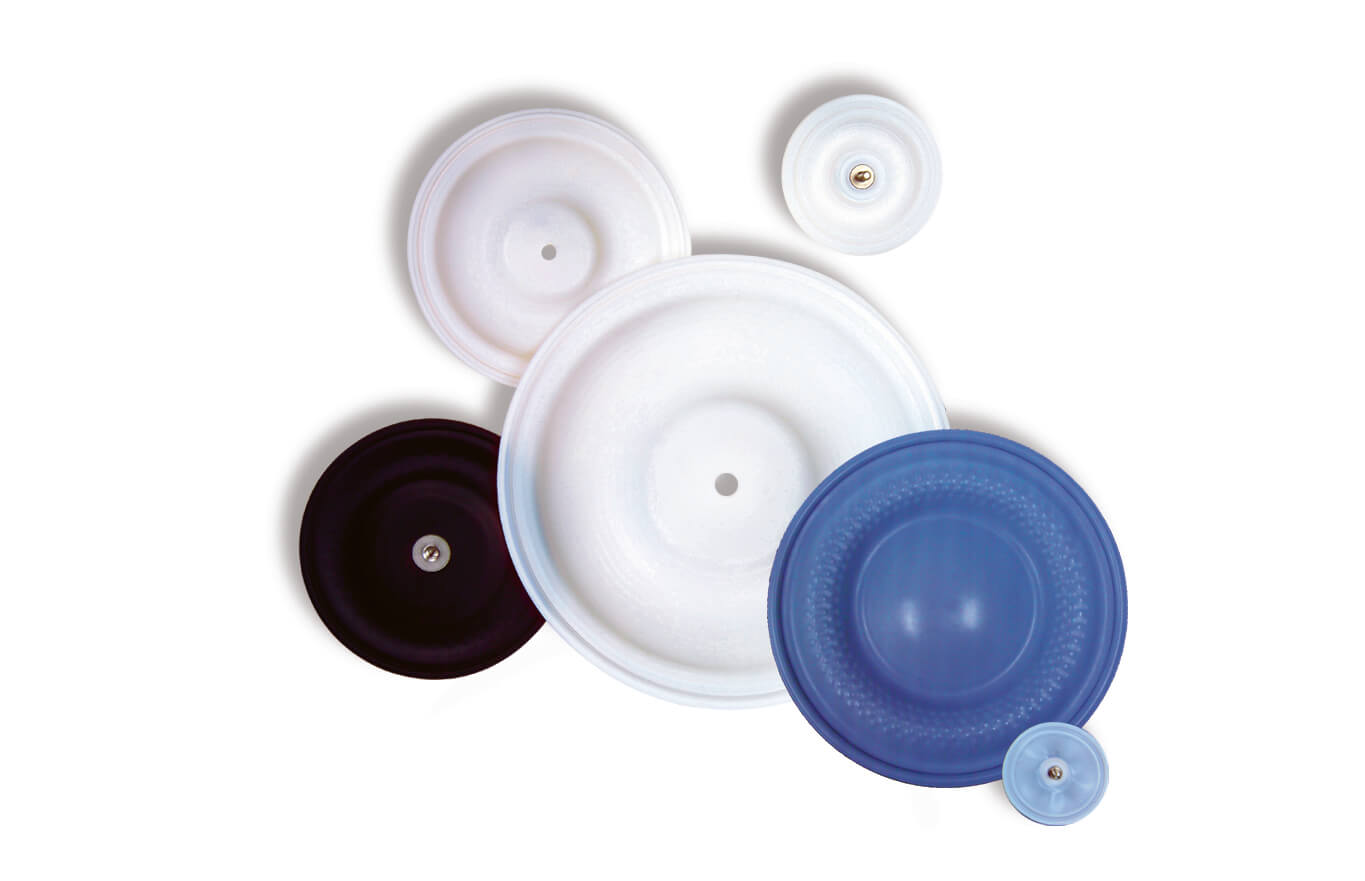
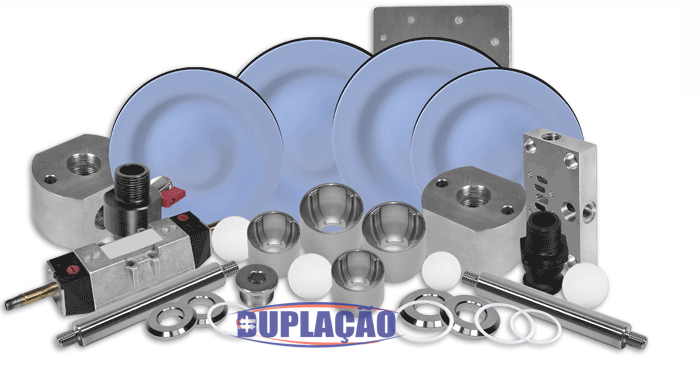
Features two Heavy Duty Diaphragms
These diaphragms are designed to prevent leaks and ensure operational safety. Its robust construction is made from materials such as nitrile rubber, PTFE and other polymers that offer resistance to corrosive chemicals. Additionally, they are tested to withstand high pressures and temperatures, making them ideal for various industries.
Importance in Industry
The use of resistant diaphragms is crucial in sectors such as petrochemicals, pharmaceuticals and food, where system integrity is vital. They help prevent contamination and ensure that industrial processes occur efficiently and safely.
Functioning of Diaphragms
Diaphragms function as a barrier that separates aggressive fluids from the external environment. When pressure is applied, the diaphragm deforms, allowing fluid to pass through only when necessary. This action is essential for precise process control and equipment protection.
Common applications
Heavy duty diaphragms are widely used in valves, pumps and actuators. They are essential in fluid control systems where precision and safety are paramount. Their versatility allows them to be adapted to different industrial configurations and needs.
Advantages of diaphragms in aggressive environments
Os diaphragm Designed for aggressive environments they offer a series of advantages that are essential for safety and operational efficiency in industries. Their ability to resist corrosive chemicals and extreme conditions makes them indispensable in critical applications.
Chemical Resistance
One of the main advantages of diaphragms in aggressive environments is their chemical resistance. Made from materials such as PTFE and nitrile rubber, they withstand a wide range of chemicals without suffering degradation, ensuring system integrity.
Durability and Longevity
Rugged diaphragms are designed to have a long service life, reducing the need for frequent replacements. This not only lowers operational costs, but also minimizes downtime, allowing industrial processes to continue without interruption.
Operational security
The use of diaphragms in aggressive environments increases the operational security. They help prevent leaks and contamination, protecting both workers and the environment. This security is crucial in sectors such as chemicals and pharmaceuticals, where risks are high.
Process Efficiency
Sturdy diaphragms contribute to process efficiency industrial. Its ability to operate under high pressure and temperature allows precise control of fluids, resulting in faster and more effective processes.
Application Versatility
These diaphragms are versatile and can be used in a variety of applications, from valves to pumps and actuators. This adaptability makes them a popular choice across multiple industries, ensuring that the specific needs of each application are met.
Materials used in the manufacture of diaphragms
The choice of materials used in the manufacture of diaphragms é crucial para garantir sua eficácia e durabilidade em ambientes agressivos. Different materials offer specific properties that make them suitable for different industrial applications.
PTFE (Politetrafluoretileno)
PTFE is one of the most used materials in the manufacture of diaphragms due to its excellent chemical resistance. It is capable of withstanding high temperatures and is inert to many chemicals, making it ideal for applications in the chemical and pharmaceutical industries.
Nitrile Rubber
Nitrile rubber is known for its resistance to oils and solvents. It is a popular choice for diaphragms that need to operate in environments where there is contact with oily substances. Its flexibility and durability ensure reliable performance in industrial applications.
EPDM Rubber (Ethylene-Propylene-Diene-Monomer)
EPDM rubber is highly resistant to weather and ozone, making it suitable for outdoor applications. Its resistance to extreme temperatures and chemicals makes it a viable option for diaphragms in challenging environments.
Silicone
Silicone diaphragms are ideal for applications that require flexibility and resistance to extreme temperatures. They are often used in the food and pharmaceutical industries where safety and hygiene are paramount.
Composite Materials
Composite materials, which combine different material properties, are also used in the manufacture of diaphragms. These materials can offer a combination of chemical resistance, flexibility and durability, adapting to the specific needs of each application.
Industrial applications of heavy-duty diaphragms
Os resistant diaphragms They are widely used in various industrial applications due to their durability and resistance to aggressive environments. They play a crucial role in various industries, ensuring process efficiency and safety.
Chemical industry
In the chemical industry, diaphragms are essential for controlling corrosive fluids. They are used in valves and pumps, where resistance to chemicals is essential to prevent leaks and ensure operational safety.
Pharmaceutical
Heavy-duty diaphragms are used in pharmaceutical manufacturing processes, where product purity and safety are paramount. They help prevent contamination and ensure that medicines are produced in accordance with safety standards.
Food industry
In the food industry, silicone diaphragms and other food-safe materials are used in fluid pumping and control systems. They ensure that food products are handled safely and hygienically.
Oil and Gas Industry
Diaphragms are used in oil and gas drilling and transportation equipment, where resistance to high pressures and temperatures is required. They help maintain systems integrity under extreme conditions.
Water Treatment Industry
In water treatment systems, diaphragms are used in control valves and pumps where resistance to treatment chemicals is essential. They ensure that the treated water is safe for consumption.
How to choose the ideal diaphragm for your needs?
Choose the diafragma ideal for your needs is an important task that can impact the efficiency and safety of industrial processes. There are several factors to consider when making this choice.
Identify the Type of Fluid
The first step is to identify the type of fluid the diaphragm will handle. Corrosive, oily or abrasive fluids require specific materials that can withstand these conditions. For example, PTFE is ideal for harsh chemicals, while nitrile rubber is better for oils.
Consider Temperature and Pressure
It is essential to consider the temperature and pressure conditions in which the diaphragm will be used. Each material has specific temperature and pressure limits. Make sure the diaphragm you choose can operate within these limits without compromising its integrity.
Check Chemical Compatibility
Chemical compatibility between the diaphragm and fluid is crucial. Use compatibility tables to ensure that the diaphragm material will not be degraded by the fluid it will handle. This helps prevent failures and leaks.
Analyze the Work Environment
The environment in which the diaphragm will be installed must also be considered. Factors such as humidity, exposure to chemicals and ambient temperature can affect material choice. For example, outdoor environments may require weather-resistant diaphragms.
Consider Ease of Maintenance
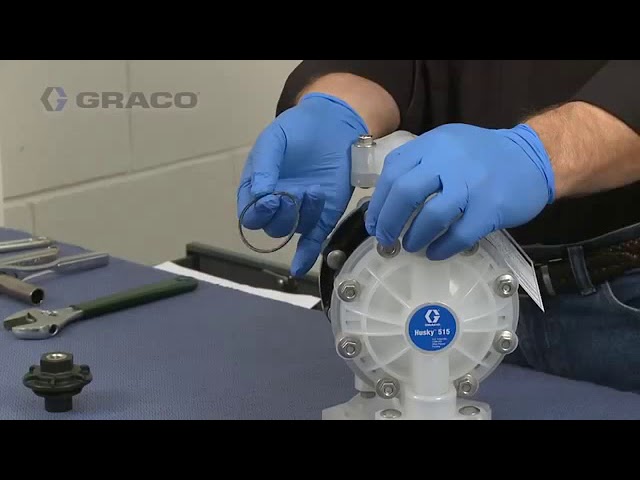
Ease of maintenance and replacement of the diaphragm is another important factor. Choose a model that allows easy access for maintenance, ensuring that replacement is quick and efficient, minimizing equipment downtime.
Final Thoughts on Resistant Diaphragms
Os diafragmas resistentes são componentes essenciais em diversas indústrias, oferecendo segurança e eficiência em ambientes desafiadores. Ao escolher o diafragma ideal, é importante considerar fatores como o tipo de fluido, temperatura, pressão e compatibilidade química.
Compreender as aplicações e os materiais disponíveis ajuda a garantir que você selecione a melhor opção para suas necessidades específicas. Investir em diafragmas de qualidade não só melhora a operação dos equipamentos, mas também protege a segurança dos trabalhadores e do meio ambiente.
Portanto, ao planejar suas operações industriais, não subestime a importância de escolher o diafragma certo para maximizar a eficiência e a segurança dos seus processos.
FAQ – Perguntas frequentes sobre diafragmas resistentes
What are resistant diaphragms?
Diafragmas resistentes são componentes utilizados em sistemas pneumáticos e hidráulicos, projetados para suportar condições adversas e produtos químicos agressivos.
Quais materiais são usados na fabricação de diafragmas resistentes?
Os materiais mais comuns incluem PTFE, borracha nitrílica, borracha EPDM e silicone, cada um com propriedades específicas para diferentes aplicações.
Como escolher o diafragma ideal para minha aplicação?
É importante considerar o tipo de fluido, temperatura, pressão, compatibilidade química e o ambiente de trabalho ao escolher o diafragma.
Quais são as principais aplicações dos diafragmas resistentes?
Eles são amplamente utilizados nas indústrias química, farmacêutica, alimentícia, de petróleo e gás, e de tratamento de água.
Os diafragmas resistentes são fáceis de manter?
Sim, muitos modelos são projetados para facilitar a manutenção e substituição, minimizando o tempo de inatividade do equipamento.
Por que a escolha do diafragma é importante para a segurança operacional?
A escolha correta do diafragma ajuda a prevenir vazamentos e contaminações, garantindo a segurança dos trabalhadores e a integridade dos processos industriais.