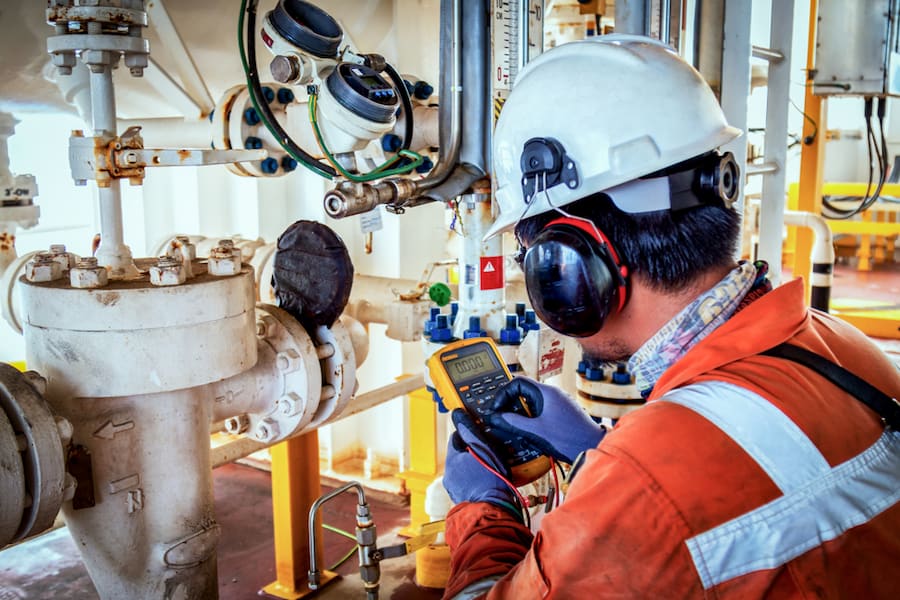
Preventive maintenance on instrumentation is vital to ensure the efficiency and safety of equipment. Implementing practices such as regular calibration, scheduled maintenance and adequate staff training helps prevent failures and extend the life of instruments.
A preventive maintenance instrumentation plan It is a crucial aspect for companies looking to maximize the performance of their equipment. By ensuring that instruments are always operating in ideal conditions, companies not only avoid the risk of failures, but also ensure long-term efficiency and savings. In this article, we will discuss the importance of preventive maintenance, how to carry it out effectively and the tools available for assertive planning.
Importance of preventive maintenance
A preventive maintenance It is essential to guarantee the efficiency and longevity of industrial equipment. By performing regular maintenance, companies can identify and correct problems before they become critical failures, avoiding unexpected downtime and high repair costs.
Cost reduction
Investing in preventive maintenance can result in significant cost reduction in the long term. By preventing failures, companies not only save on emergency repairs, but also extend the life of equipment, which means less need for frequent replacements.
Increased Security
Well-maintained equipment is essential for safety in the workplace. Preventive maintenance helps ensure that all devices are working properly, reducing the risk of accidents and injuries, which is crucial for protecting employees.
Improving Operational Efficiency
With preventive maintenance, equipment operates at its maximum capacity, resulting in a operational efficiency improved. This means that companies can better meet demand, increase productivity and improve the quality of the products or services offered.
Planning and Organization
Implementing a preventive maintenance program requires careful planning. Companies must establish maintenance schedules, train teams and use management tools to monitor equipment performance. Good planning ensures that maintenance is carried out efficiently and in a timely manner.
How to plan instrumentation maintenance
Plan the instrumentation maintenance It is a crucial step to ensure equipment operates efficiently and safely. Good planning involves defining schedules, choosing appropriate methods, and allocating necessary resources.
Definition of Schedules
A well-structured schedule is essential for preventive maintenance. Companies must determine the frequency of maintenance based on equipment use and manufacturers' recommendations. This helps prevent unexpected failures and ensure instruments are always ready for use.
Choice of Maintenance Methods
There are different maintenance methods that can be applied, such as predictive maintenance, which uses data to predict failures, and corrective maintenance, which is carried out after problems are identified. The choice of method must be based on the specific needs of the operation and the criticality of the equipment.
Resource Allocation
For effective planning, it is critical to allocate adequate resources, including trained personnel and necessary tools. The team responsible for maintenance must be trained to carry out activities efficiently and safely, ensuring that all procedures are followed correctly.
Monitoring and Evaluation
After implementing the maintenance plan, it is important to monitor the results and evaluate the effectiveness of the actions taken. This may include analyzing equipment performance data and making adjustments to planning if necessary. Continuous monitoring helps identify areas for improvement and optimize the maintenance process.
Tools for maintenance management
As tools for maintenance management They are essential for optimizing maintenance processes and ensuring that equipment operates efficiently. These tools help companies plan, monitor and execute maintenance activities in an organized manner.
Computerized Maintenance Management Systems (CMMS)
Computerized maintenance management systems (CMMS) are software that allow you to manage all maintenance activities in a single location. They help schedule maintenance, record service history and monitor equipment performance. With a CMMS, companies can improve efficiency and reduce operational costs.
Real-Time Monitoring Tools
Real-time monitoring tools, such as sensors and IoT devices, allow companies to track the status of equipment continuously. These devices collect data on the performance and condition of equipment, making it possible to identify problems before they become critical.
Mobile Applications for Maintenance
Mobile maintenance apps provide easy access to maintenance information and allow technicians to record activities directly from the field. This improves communication between teams and ensures everyone has access to the latest information, increasing work efficiency.
Performance Reports and Analysis
Generating performance reports and analyzes is fundamental to understanding the effectiveness of maintenance activities. Tools that offer detailed reports help companies identify trends, evaluate costs, and make informed decisions about future maintenance and equipment investments.
Best practices in instrumentation
As best practices in instrumentation are essential to ensure the accuracy and reliability of the data collected. Adopting these practices helps to optimize system performance and extend the useful life of equipment.
Regular Calibration
Regularly calibrating instruments is critical to ensure they provide accurate measurements. Companies should follow manufacturers' recommendations and perform calibrations at set intervals, adjusting instruments as necessary to maintain accuracy.
Preventive maintenance
Implementing a preventative maintenance program is crucial to avoid failures and ensure that instruments are always in ideal operating condition. This includes regular inspections, cleaning and replacement of worn parts.
Personnel Training
Proper training of staff who operate and maintain instruments is vital. Employees must be trained to understand how equipment works, perform basic maintenance and identify potential problems before they become critical.
Documentation and Registration
Maintaining detailed documentation of maintenance and calibration activities is a best practice. This not only helps track instrument history, but also makes it easier to identify patterns and make informed decisions about future maintenance.
Conclusion on Preventive Maintenance in Instrumentation
Preventive maintenance on instrumentation is essential to ensure the efficiency and safety of equipment. By adopting best practices such as regular calibration, preventive maintenance and adequate training, companies can avoid failures and extend the life of instruments.
Additionally, documenting and recording maintenance activities helps you monitor performance and make informed decisions. With effective planning, it is possible to optimize processes and ensure that equipment operates at its maximum capacity.
Therefore, investing in preventative maintenance is a smart strategy for any company that wants to improve its operations and reduce costs in the long term.
FAQ – Frequently asked questions about preventive maintenance in instrumentation
How important is preventive maintenance on instrumentation?
Preventive maintenance is crucial to ensure the efficiency and safety of equipment, preventing failures and extending the useful life of instruments.
How often should I calibrate my instruments?
Calibration must be carried out regularly, according to the manufacturer's recommendations and the frequency of use of the equipment.
What are the best practices for instrumentation maintenance?
Best practices include regular calibration, preventative maintenance, staff training and detailed documentation of activities.
How can I train my staff to maintain instruments?
Offer regular training that covers equipment operation, maintenance procedures and identification of potential problems.
What tools can I use to manage instrumentation maintenance?
Tools such as computerized maintenance management systems (CMMS) and mobile apps are effective for managing and monitoring maintenance activities.
How does documentation help with instrumentation maintenance?
Detailed documentation allows you to track instrument history, identify patterns, and make informed decisions about future maintenance.