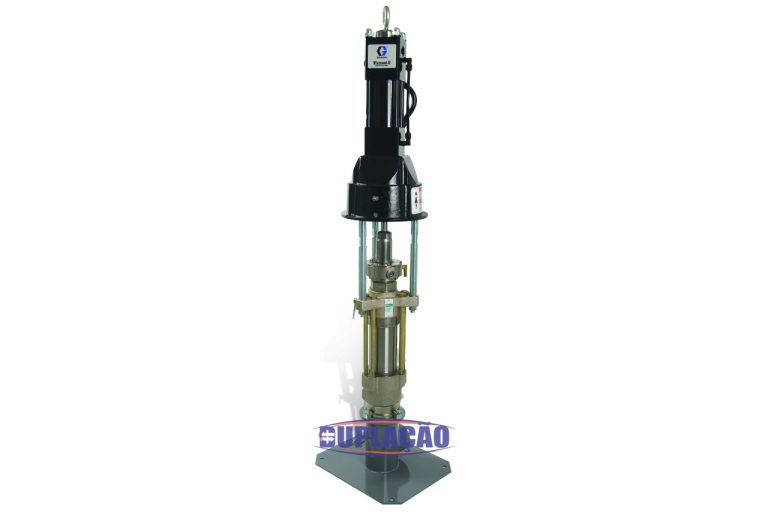
Pneumatic automation in the food sector optimizes processes, reduces costs and improves product quality. With the appropriate choice of equipment and staff training, companies can increase efficiency and ensure food safety, resulting in more competitive operations.
A pneumatic automation in the food sector It is an essential topic for those looking to optimize processes and increase production efficiency. In this article, we will uncover what it is, explore its benefits and present implementation tips that can transform your production line. The revolution starts here!
What is pneumatic automation?
A pneumatic automation is a system that uses compressed air to control and move equipment in industrial processes. This technology is widely used in the food sector due to its efficiency and safety. With pneumatic automation, it is possible to optimize production, reduce costs and increase product quality.
How Pneumatic Automation Works
The operation of pneumatic automation involves the conversion of energy from compressed air into mechanical movement. The main components include compressors, valves, cylinders and actuators. Compressed air is generated by compressors and then directed to valves that control air flow and pressure, allowing cylinders to perform precise movements.
Advantages of Pneumatic Automation
Among the advantages of pneumatic automation are high operating speed, the ability to perform repetitive tasks with precision and ease of maintenance. Furthermore, pneumatic systems are less susceptible to contamination, which is crucial in the food sector, where hygiene is a priority.
Applications in the Food Sector
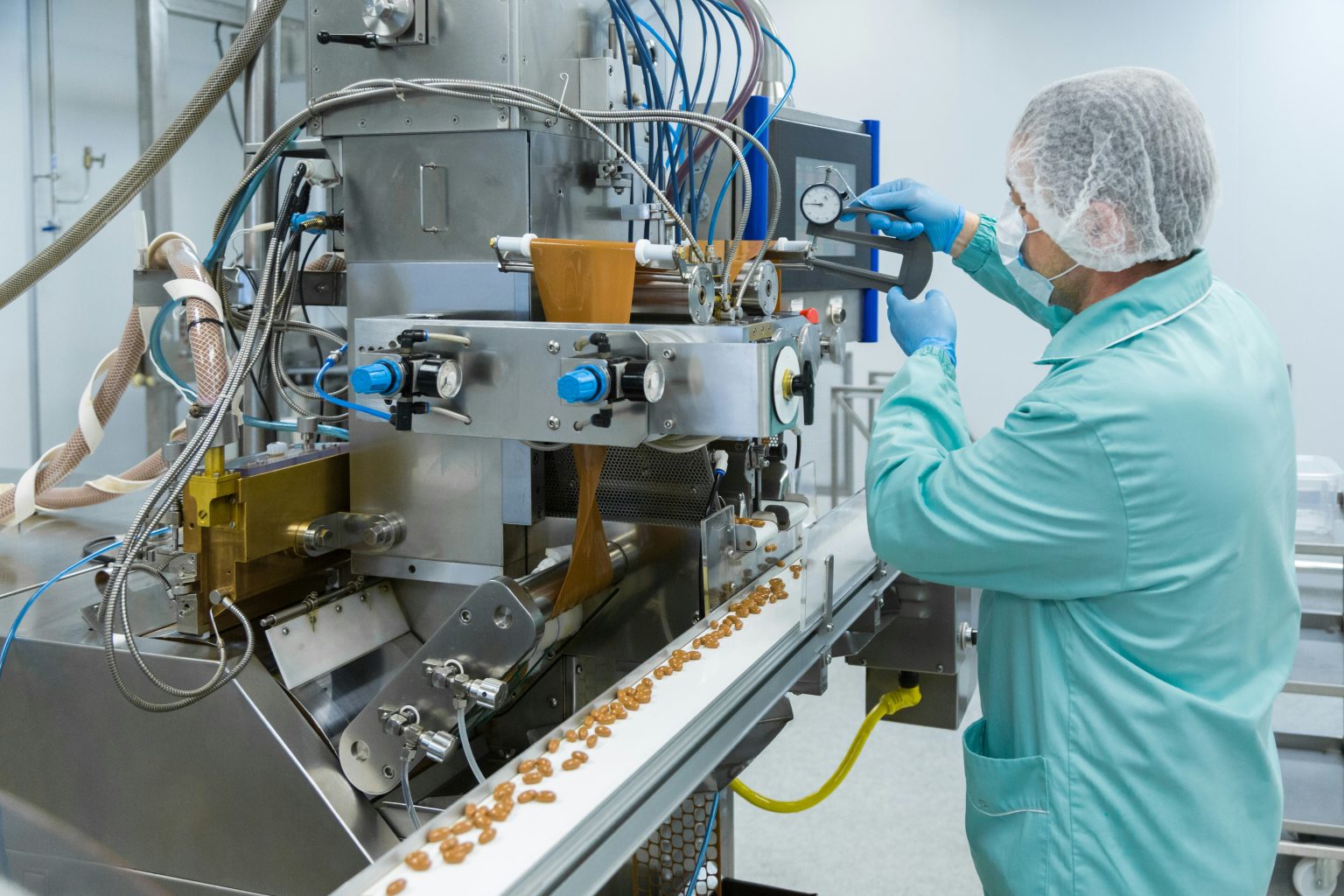
In the food sector, pneumatic automation is used in several stages, from handling ingredients to filling and packaging products. This technology ensures that processes are carried out quickly and efficiently, minimizing errors and increasing productivity.
Benefits of pneumatic automation in the food sector
A pneumatic automation in the food sector brings a series of benefits that directly impact the efficiency and quality of production processes. One of the main benefits is the reduction of operating costs. With automation, it is possible to minimize material waste and optimize energy use, resulting in more economical production.
Increased Efficiency
Another significant benefit is the increased efficiency. Pneumatic systems operate at high speeds and can perform repetitive tasks with precision, which speeds up the production line and reduces downtime. This is essential in a sector where demand for fresh, quality products is high.
Improvement in Product Quality
Pneumatic automation also contributes to the IMPROVEMENT OF PRODUCT QUALITY. With automated processes, it is possible to ensure that each stage of production is carried out consistently, reducing variability and increasing the reliability of final products.
Security and Compliance
Furthermore, pneumatic automation improves the security in the work environment. Automated systems minimize the need for manual intervention, reducing the risk of accidents. This is especially important in the food sector, where compliance with food safety standards is crucial.
How to implement pneumatic automation in your company
Implement pneumatic automation in your company it may seem challenging, but with adequate planning, it is possible to carry out this transition effectively. The first step is assess needs of your production line. Identify which processes can be optimized and which pneumatic equipment is best suited for your operations.
Choice of Equipment
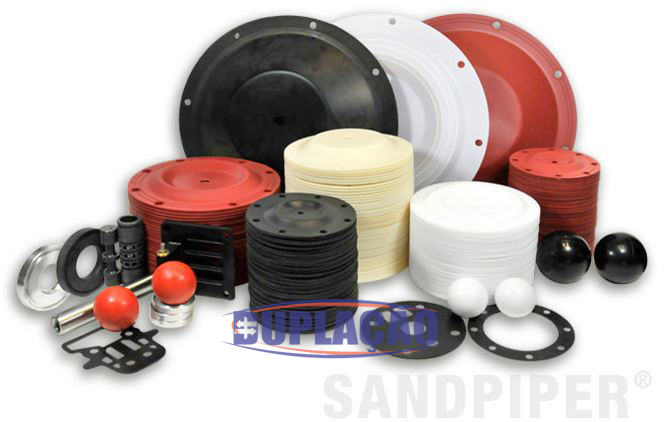
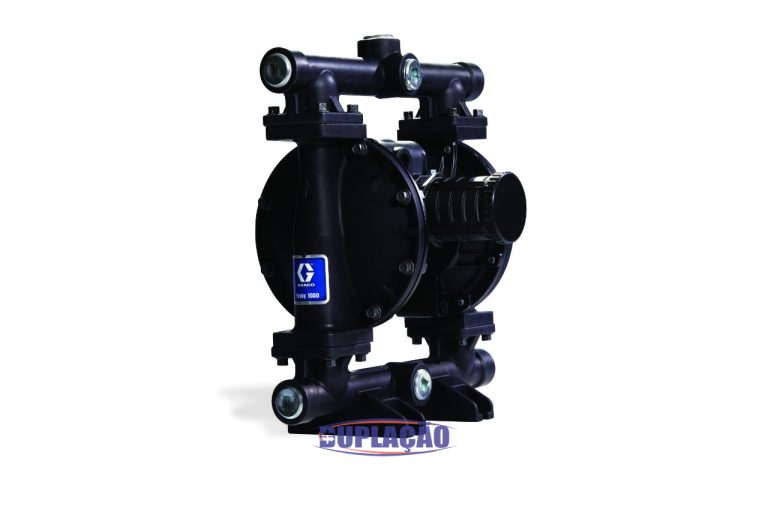
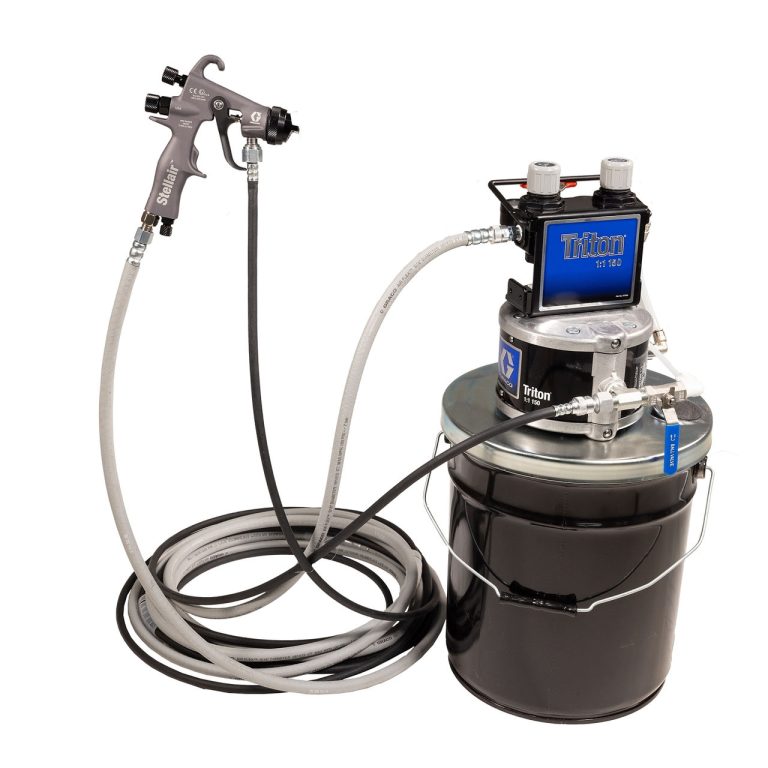
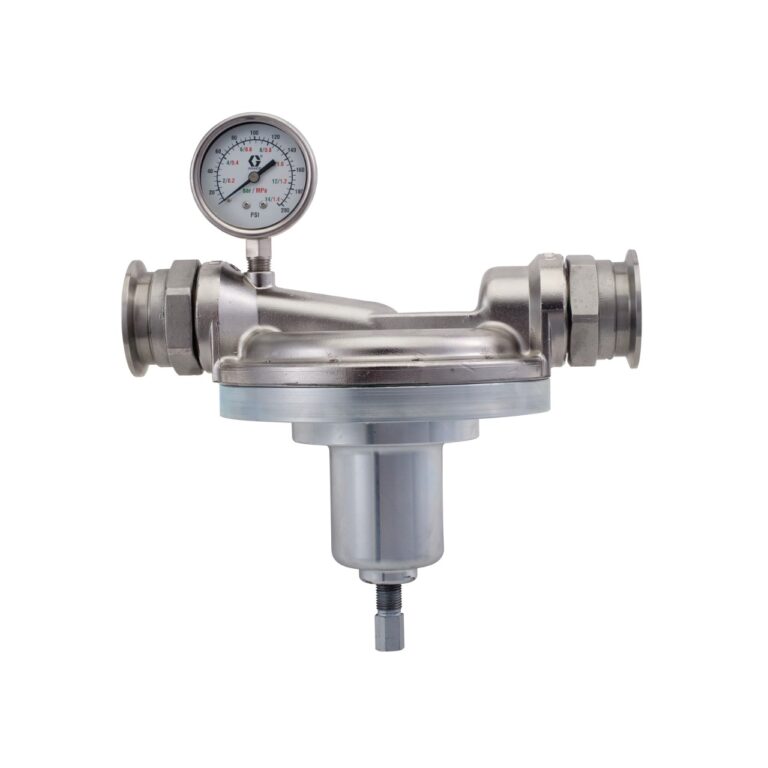
After the assessment, it is important to choose the right equipment. This includes compressors, valves, cylinders and actuators. The quality of the components is essential to guarantee the efficiency and durability of the system. Working with recognized brands, such as Graco Inc. and Pneumax, can make a difference in the performance of your pneumatic system.
Team training
A crucial aspect of implementation is the Team training. Operators must be familiar with how new systems work and safety practices. Conducting workshops and hands-on training can help ensure everyone is prepared to operate new equipment safely and efficiently.
Monitoring and Maintenance
After implementation, it is essential to establish a plan for monitoring and maintenance. This includes carrying out regular inspections and preventive maintenance of equipment. A good maintenance plan helps avoid unexpected downtime and ensures that the system operates at maximum efficiency.
Success stories in pneumatic automation
There are several success stories in pneumatic automation that demonstrate how this technology can transform operations in the food sector. Companies that adopted pneumatic systems were able to increase efficiency, reduce costs and improve product quality.
Example 1: Beverage Industry
A renowned beverage industry has implemented pneumatic automation in its filling line. With the use of valves and pneumatic actuators, the company was able to increase filling speed by 30%, reducing downtime and improving precision when filling bottles.
Example 2: Food Processing
Another company, specializing in food processing, adopted pneumatic systems for transporting ingredients. This not only sped up the process, but also minimized contamination, as transport is carried out in a closed and controlled manner. As a result, the company saw a significant increase in the quality of final products.
Example 3: Product Packaging
A food products factory used pneumatic automation in its packaging line. The implementation of pneumatic cylinders to move packages resulted in a 25% reduction in operating costs, in addition to increasing production capacity. The company also noted a decrease in packaging failures, ensuring products reached consumers in perfect condition.
Conclusion on Pneumatic Automation in the Food Sector
Pneumatic automation is an effective solution that brings many benefits to the food sector. By implementing this technology, companies can increase efficiency, reduce costs and improve product quality.
Success stories demonstrate that, by adopting pneumatic systems, it is possible to optimize processes and guarantee food safety. Furthermore, choosing the right equipment and team training are fundamental to the success of the implementation.
Therefore, investing in pneumatic automation can be the key to transforming your operation and standing out in the competitive market.
FAQ – Frequently asked questions about pneumatic automation in the food sector
What are the main benefits of pneumatic automation in the food sector?
The main benefits include increased efficiency, reduced operating costs and improved product quality.
How can I implement pneumatic automation in my company?
Implementation should begin with a needs assessment, selection of appropriate equipment and staff training.
What equipment is essential for pneumatic automation?
Essential equipment includes compressors, valves, cylinders and actuators, preferably from recognized brands.
Can pneumatic automation help ensure food safety?
Yes, pneumatic automation minimizes manual intervention, reducing the risk of contamination and improving compliance with safety standards.
Are there success stories in pneumatic automation that I can know about?
Yes, several companies in the food sector have successfully implemented pneumatic automation, increasing the efficiency and quality of their products.
What is the cost of implementing pneumatic automation?
Costs vary depending on the equipment and complexity of the system, so it is important to carry out a detailed analysis before implementation.