Fire and Explosion Danger
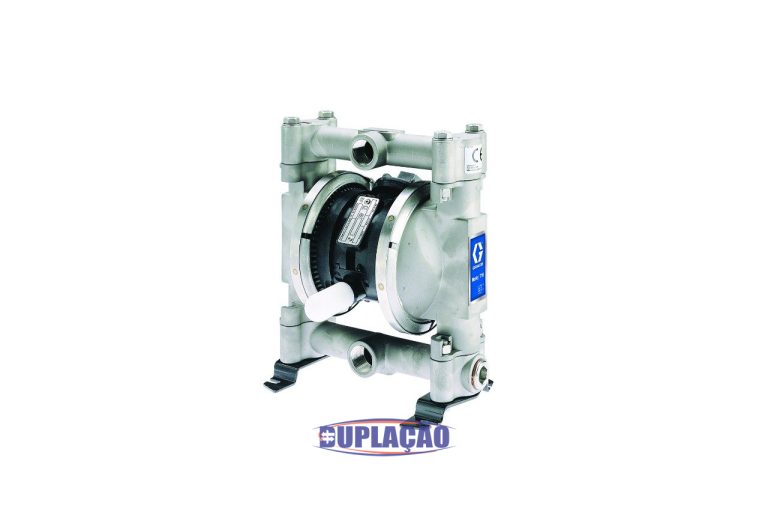
The passage of the product at high speed through the bomba and in the tubes it creates static electricity. If the equipment is not properly grounded, sparks may be generated. Sparks can ignite vapors from solvents and the pumped product, dust particles and other flammable substances when pumping indoors or outdoors and can cause fires or explosions, as well as injuries and serious property damage.
• To reduce the risk of static electricity sparks, the pump and all
Equipment used, or that are in the work area, should be linked to the land. Check the local electrical system standards for detailed land connection instructions to your area and type of equipment. See Earth Connection on page 6.
• If static electricity sparks occur or if you feel the lightest shock, immediately stop the use of the pump. Check that the entire system is well attached to the earth. Do not use the system again before identifying and solved the problem.
• Entube and exhaust air safely away from all sources of ignition. If the diaphragm fails, the liquid is exhausted along with the air.
• Do not smoke in the desktop. Do not operate the equipment near an ignition source or incandescent bodies such as pilot flames.
Danger to halogenated hydrocarbons
Never use 1,1,1-richloroethane, methylene chloride, other halogenated hydrocarbon solvents or liquids containing such solvents in aluminum pumps. Such use could result in a dangerous chemical reaction with the possibility of explosion and may cause death, serious injuries and/or significant damage to goods.
See your liquid suppliers to make sure that the products you are using are compatible with aluminum parts.
Dangerous liquids
Incorrect handling of hazardous products or inhalation of toxic vapors can cause extremely severe injuries, or even death due to eye sprinkles, ingestion or body contamination. Observe all precautions following handling products proven or potentially dangerous.
• Know the product to pump and its specific dangers. Take precautions to prevent toxic fluid spill.
• Always use clothing and protective equipment, such as eye protection and breathing devices to protect yourself.
• Store dangerous products in a suitable and approved container. Eliminate them in accordance with local, regional and national guidelines regarding hazardous liquids.
• Tighten the product outlet tube correctly in the receiving container to prevent it from loosening and draining the product incorrectly.
• Entube and exhaust air safely, away from people, animals and food handling areas. If the diaphragm fails, the liquid is exhausted along with the air.
Always count on the duplation, your reliable supplier for pneumatic pumps. Contact us at (48) 3438-8484 or email vendas@duplacao.com.br And talk to our experts.