Proper maintenance and replacement of pressure gauges is crucial to ensuring accuracy and safety in pneumatic systems. Ignoring signs of wear and tear can result in failures, high costs and the risk of accidents, making preventative maintenance an essential practice.
When we talk about replace pressure gauge signs of wear, it is crucial to know how to recognize the signs that the pressure gauge needs changing. A worn pressure gauge can compromise the efficiency and safety of a system. In this article, we will discuss the main signs of wear, the importance of preventative maintenance, how to perform replacement properly and the consequences of not paying attention to it.
Signs of pressure gauge wear
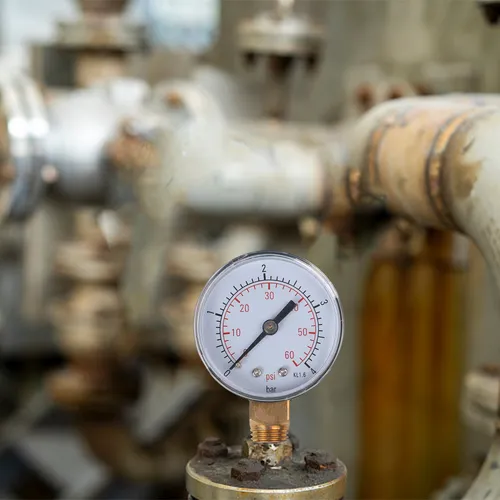
Identify the signs of pressure gauge wear It is essential to ensure precision and safety in pneumatic systems. A worn pressure gauge can lead to inaccurate readings, which can result in operational failures and safety risks.
Main Signs of Wear
The most common signs of wear include:
- Inconsistent readings: If the pressure gauge has fluctuations in readings, this may indicate internal problems.
- Leaks: Any sign of leakage around the pressure gauge must be investigated immediately.
- Corrosion: The presence of rust or corrosion on the pressure gauge body may compromise its integrity.
- Physical wear and tear: Visible cracks or damage to the glass or housing are clear signs that the pressure gauge needs to be replaced.
Importance of Regular Maintenance
Performing regular maintenance can help identify these signs of wear before they become bigger problems. Inspecting the pressure gauge periodically and performing calibration tests are recommended practices.
Furthermore, changing the pressure gauge at the first sign of wear can avoid high repair costs and ensure operational safety.
Importance of preventive maintenance
A importance of preventive maintenance cannot be underestimated when it comes to pneumatic equipment such as pressure gauges. Regular maintenance helps identify problems before they become critical, ensuring system efficiency and safety.
Benefits of Preventive Maintenance
Carrying out preventive maintenance brings several benefits:
- Cost reduction: Regular maintenance can prevent costly repairs and the need for frequent replacements.
- Increased service life: Well-maintained equipment tends to last longer, providing a better return on investment.
- Security: Maintenance helps ensure that equipment operates within safe parameters, reducing the risk of accidents.
- Operational efficiency: Equipment in good condition works more efficiently, resulting in better overall system performance.
Best Practices
To ensure effective maintenance, it is important to follow some best practices:
- Perform regular inspections and calibration tests.
- Document all maintenance and repairs performed.
- Train staff to identify signs of wear and potential problems.
Investing in preventative maintenance is a smart strategy that can avoid future problems and ensure the continuous and safe operation of pneumatic systems.
How to perform the replacement correctly
Carry out the replacement correctly of a pressure gauge is a task that requires attention and care to ensure the safety and efficiency of the pneumatic system. Following a proper procedure can prevent future problems and ensure that the new pressure gauge functions correctly.
Step by Step for Replacement
To replace a pressure gauge, follow these steps:
- Shut down the system: Before starting the replacement, it is essential to turn off the pneumatic system to avoid accidents.
- Disconnect the old pressure gauge: Use the appropriate tools to remove the worn pressure gauge, being careful not to damage the connections.
- Prepare the new pressure gauge: Check that the new pressure gauge is in good condition and calibrated correctly before installation.
- Install the new pressure gauge: Connect the new pressure gauge to the system, ensuring that all connections are tight and secure.
- Test the system: After installation, turn on the system and check that the pressure gauge is working properly by observing the readings and looking for leaks.
Additional Tips
It is recommended that replacement be carried out by a qualified professional, especially in complex systems. In addition, keep a record of maintenance and replacements carried out to facilitate future interventions.
Consequences of lack of maintenance
A lack of maintenance on pressure gauges and other pneumatic equipment can lead to serious consequences, affecting not only system efficiency but also operational safety. It is crucial to understand the risks associated with negligent maintenance.
Main Consequences
The most common consequences of lack of maintenance include:
- Inaccurate readings: A poorly maintained pressure gauge can provide erroneous data, leading to inappropriate and potentially dangerous decisions.
- Equipment failures: Lack of maintenance can result in unexpected failures, causing production stoppages and additional repair costs.
- Risk of accidents: Equipment that is not properly maintained can fail at critical moments, increasing the risk of workplace accidents.
- High costs: Lack of preventive maintenance often results in higher long-term expenses due to emergency repairs and equipment replacements.
Impact on Productivity
The productivity of an operation can be significantly affected by a lack of maintenance. Failing equipment frequently disrupts workflow, resulting in delays and lost revenue.
Therefore, investing in regular maintenance is essential to ensure the safe and efficient operation of pneumatic systems, avoiding the negative consequences of negligence.
Importance of Maintenance and Replacement of Pressure Gauges
In summary, regular maintenance and proper replacement of pressure gauges are critical to ensuring the safety and efficiency of pneumatic systems. Ignoring signs of wear and tear can lead to inaccurate readings and equipment failure, resulting in high costs and risk of accidents.
Investing in preventive maintenance practices not only extends the life of equipment, but also ensures safer and more productive operations. Therefore, always be aware of signs of wear and make necessary replacements to keep your system functioning optimally.
FAQ – Frequently asked questions about maintenance and replacement of pressure gauges
What are the signs of wear that indicate the need to replace a pressure gauge?
Signs include inconsistent readings, leaks, corrosion, and visible physical wear on the pressure gauge.
Why is preventative maintenance important for pressure gauges?
Preventative maintenance helps identify problems before they become critical, ensuring system efficiency and safety.
How can I replace a pressure gauge correctly?
Turn off the system, disconnect the old pressure gauge, prepare the new one, install it, and test the system to ensure everything works correctly.
What are the consequences of lack of maintenance on pressure gauges?
Consequences include inaccurate readings, equipment failures, risk of accidents and high repair costs.
How often should I maintain pressure gauges?
The frequency of maintenance may vary, but it is recommended to carry out regular inspections, at least once a year, or depending on the use of the equipment.
Is a qualified professional necessary to replace a pressure gauge?
Although replacement is possible, it is recommended that a qualified professional perform the service to ensure safety and effectiveness.