Preventative replacement of pump parts is vital to ensure the efficiency and safety of industrial systems. Carrying out regular maintenance prevents failures, reduces costs and extends the useful life of equipment, ensuring that pumps operate optimally.
A preventive exchange of pump parts it is a crucial aspect for any system that relies on pumps. Waiting until a failure occurs can result in high costs and unwanted downtime. This article will explore the importance of this practice, highlighting the signs that indicate the need for this change and how you can perform it correctly to ensure the efficiency of your system.
Importance of preventative parts exchange
A preventive replacement of parts It is essential to guarantee the efficiency and durability of pumps. When parts are replaced before they fail, it is possible to avoid unexpected downtime and high costs for emergency repairs. Furthermore, preventive maintenance helps maintain the quality of system operation, ensuring that pumps operate in ideal conditions.
One of the main benefits of preventative replacement is reduced downtime. Systems that rely on pumps for critical operations cannot afford to stop. Therefore, changing parts at regular intervals ensures that the system continues to function without interruptions.
Furthermore, preventive exchange contributes to the safety of the working environment. Pumps with worn parts can present risks, such as leaks or failures that can cause accidents. By keeping parts in good condition, you protect not only the equipment, but also the operators and the surrounding environment.
Finally, preventative parts replacement can result in long-term savings. Although it may seem like an additional cost, regular maintenance prevents you from spending more on repairs and replacing damaged equipment. Investing in preventative replacement is, therefore, a smart strategy for any operation that uses pumps.
Main types of pumps and their parts
There are different types of bombs used in different industrial applications, each with its own characteristics and specific parts. Knowing the main types of pumps and their parts is essential to carry out the preventive exchange effectively.
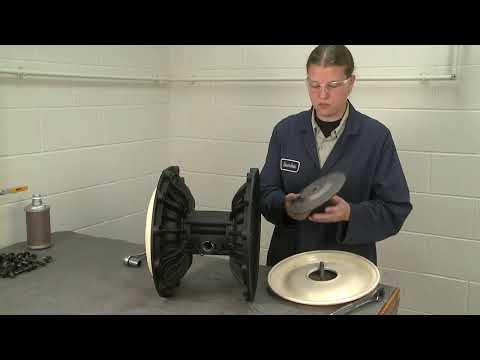
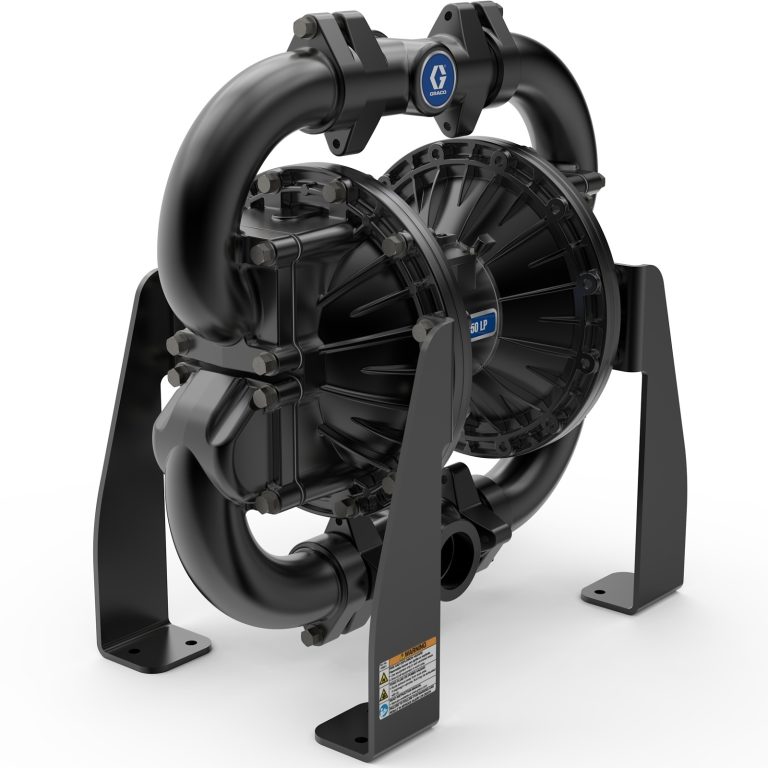
One of the most common pumps is the bomba the diaphragm, which uses a flexible diaphragm to move fluids. The main parts of this pump include the diaphragm, inlet and outlet valves, and the pump body. Regular maintenance of these parts is crucial to prevent leaks and ensure proper functioning.
Another type is the centrifugal pump, which uses centrifugal force to pump liquids. The main parts include the impeller, diffuser and shaft. Preventative impeller replacement is especially important, as wear can affect pump efficiency.
As gear pumps are used to pump viscous fluids. The main parts include gears, pump body and seals. Checking and changing seals are essential to prevent leaks and guarantee the integrity of the system.
Finally, the peristaltic pumps They are used in applications that require the movement of sensitive fluids. The main parts include flexible tubes and rollers. Regularly changing tubes is vital as wear and tear can compromise flow accuracy.
Signs that preventive replacement is necessary
Identify the signs that preventive replacement is necessary is essential to ensure the efficient operation of pumps. Ignoring these signs can lead to serious failures and high costs.
One of the first signs to look for is the excessive noise during pump operation. If the pump begins to make unusual sounds, such as knocking or buzzing, this may indicate that internal parts are worn or damaged.
Another important sign is the abnormal vibration. If the pump is vibrating more than normal, this could be an indication of problems with the alignment or moving parts, which may need to be replaced.
In addition, the presence of leaks It's a clear sign that maintenance is necessary. Leaks can occur in joints, seals or connections, and preventive replacement of these parts can prevent further damage to the system.
O reduced performance of the pump is also a warning sign. If the pump is not delivering the expected flow or pressure, it may be time to check the internal parts and perform a preventative replacement.
Finally, the scheduled maintenance must be followed strictly. Even if there are no visible signs of problems, performing preventive replacement at regular intervals is a recommended practice to avoid unexpected failures.
How to perform preventative parts exchange
Carry out the preventive replacement of parts in pumps is a process that requires attention and care to ensure the efficiency of the system. Here are the essential steps to carry out this task correctly.
First, it is important plan maintenance. Set a schedule based on the manufacturer's recommendations and operating conditions. Keeping a record of changes made helps monitor pump performance.
Before starting the exchange, turn off the pump and disconnect it from the power source. This is crucial to ensure safety during the process. Use personal protective equipment, such as gloves and safety glasses.
Right away, inspect the parts that need to be exchanged. Check the condition of the diaphragm, seals, gears and other components. If you notice wear or damage, it's time to replace them.
When making the exchange, use quality replacement parts. Original or manufacturer-recommended parts ensure that the pump functions optimally. Follow the manufacturer's instructions for correct installation of new parts.
After the exchange, realize testes to ensure the pump is working properly. Check for leaks and that pressure and flow are within expected parameters. Document the service performed for future reference.
Benefits of preventative maintenance on pumps
A preventive maintenance on pumps offers a series of benefits that are crucial to the efficiency and longevity of industrial systems. One of the main benefits is the cost reduction. By carrying out regular maintenance, you can avoid unexpected failures that can result in expensive repairs and production downtime.
Another significant benefit is the improvement in operational efficiency. Well-maintained pumps operate more efficiently, ensuring that flow and pressure are always within ideal parameters. This not only improves productivity but also reduces energy consumption.
A security It is also an important aspect of preventive maintenance. Pumps that are not properly maintained can present risks, such as leaks or failures that can cause accidents. Regular maintenance helps identify and fix problems before they become dangerous.
Furthermore, preventive maintenance contributes to the equipment longevity. By replacing worn parts and making necessary adjustments, the life of the pumps is extended, resulting in less need for frequent replacements.
Finally, preventive maintenance provides a tranquility additional. Knowing that equipment is in good condition allows operators and managers to focus on other areas of the business without worrying about unexpected failures.
Conclusion on the Preventive Exchange of Parts in Pumps
The preventive replacement of pump parts is an essential practice to ensure the efficiency and safety of industrial systems. By carrying out regular maintenance, you can avoid unexpected failures, reduce costs and extend the life of your equipment.
Additionally, preventive maintenance improves operational efficiency and contributes to a safer work environment. By identifying signs of wear and making necessary changes, you ensure that your pumps function optimally.
Therefore, investing in preventative maintenance is a smart strategy that brings long-term benefits to your operation.
FAQ – Frequently asked questions about the preventive replacement of pump parts
Why is preventative parts exchange important for pumps?
Preventive replacement of parts is crucial to avoid unexpected failures, reduce repair costs and ensure the operational efficiency of pumps.
What signs indicate that preventative parts replacement is necessary?
Signs such as excessive noise, abnormal vibrations, leaks and reduced performance are indicative that preventive replacement must be carried out.
How can I plan preventive maintenance for my pumps?
Plan maintenance based on the manufacturer's recommendations and operating conditions, keeping a record of changes made.
What are the benefits of preventative maintenance on pumps?
Benefits include cost reduction, improved operational efficiency, increased safety and extended equipment life.
What type of parts should I use for preventive replacement?
Use quality replacement parts, preferably original or recommended by the manufacturer, to ensure optimal pump operation.
How often should I perform preventative parts replacement?
The frequency of preventive replacement must be defined based on the manufacturer's recommendations and operating conditions, generally at regular intervals.