The reliability of valves in industrial processes is crucial to ensure the safety and efficiency of operations. Regular maintenance, choosing quality valves and constant monitoring are essential to avoid failures and maximize system performance.
**Reliability in industrial valve processes** is a crucial factor in the success of any operation. Without confidence that each component functions correctly, it is impossible to ensure the safety and efficiency of an industrial environment. In this article, we will discuss the concepts of reliability, the importance of valves, and how you can optimize these processes to maximize results.
What is reliability in industrial processes?
A reliability in industrial processes refers to the ability of a system or component to perform its function consistently and without failure over time. This is crucial in industrial environments where safety and efficiency are priorities. Reliability is measured by the frequency of failures and the average time between these failures, which helps companies understand the performance of their equipment.
Factors Influencing Reliability
Several factors can impact reliability, including the quality of materials used, proper maintenance, and system design. Equipment that is well designed and manufactured with high quality materials tends to have fewer failures. Furthermore, preventive maintenance is essential to ensure that equipment operates effectively and safely.
Importance of Reliability
Reliability is vital to minimize operating costs and avoid production interruptions. When equipment fails, it can result in unplanned downtime, which affects productivity and can lead to significant financial losses. Therefore, investing in reliability is investing in business continuity.
How to Measure Reliability
There are several metrics to measure reliability, such as Mean Time Between Failure (MTBF) and Mean Time to Repair (MTTR). These metrics help companies evaluate the performance of their systems and identify areas that require improvement. Monitoring these metrics regularly can lead to better asset management and more efficient operations.
Importance of valves in reliability
As Valves play a fundamental role in reliability of industrial processes. They are responsible for controlling the flow of fluids in systems, ensuring that operations occur safely and efficiently. Proper choice and maintenance of valves are essential to avoid failures that could compromise production.
Function of the Valves
Valves control the passage of liquids and gases, allowing operators to adjust pressure and flow as needed. This is crucial in processes where precision is vital, such as in the chemical and petrochemical industry. A failing valve can cause leaks, interruptions and even serious accidents.
Types of Valves and Their Applications
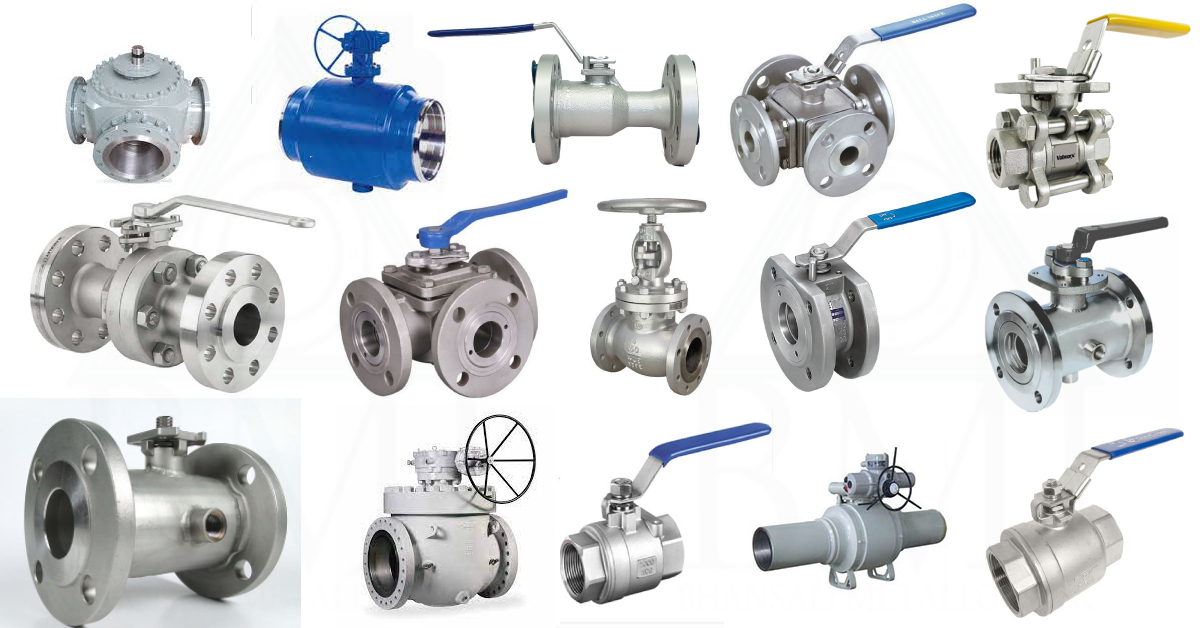
There are several types of valves, such as ball valves, gate valves and check valves, each with its specific applications. For example, ball valves are often used in systems that require quick and safe closing, while check valves prevent fluid backflow, protecting the system from damage.
Valve Maintenance and Inspection
Regular maintenance and inspection of valves are essential to ensure their reliability. This includes checking for leaks, wear and the need for lubrication. A preventative maintenance program can help identify problems before they become critical, increasing valve life and system safety.
Impact on Operational Efficiency
Valves’ reliability directly impacts a plant’s operational efficiency. Valves that function properly reduce downtime and improve productivity. Furthermore, well-maintained and reliable systems can result in significant savings in both operational costs and security.
Tips to ensure valve reliability
Ensure the valve reliability It is essential for the safe and efficient operation of industrial processes. Here are some practical tips to help keep your valves in tip-top shape.
1. Perform Regular Maintenance
Preventative maintenance is crucial. Inspect valves periodically for signs of wear or damage. This includes checking the actuators for leaks, corrosion or failures.
2. Choose Quality Valves
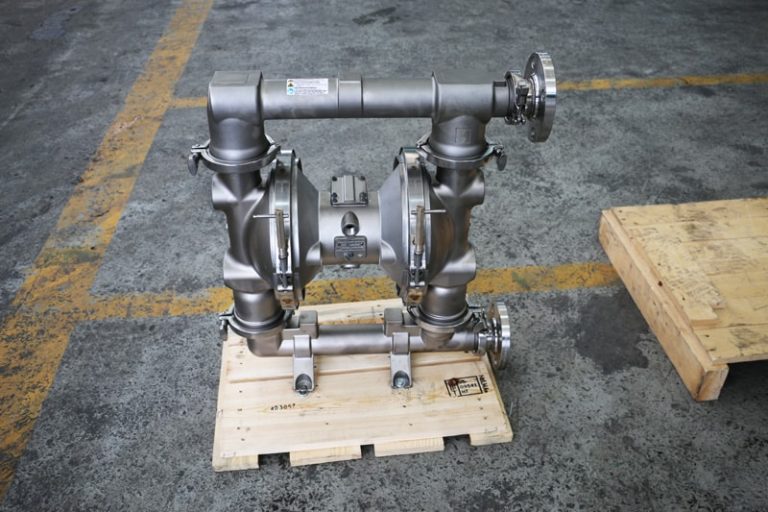
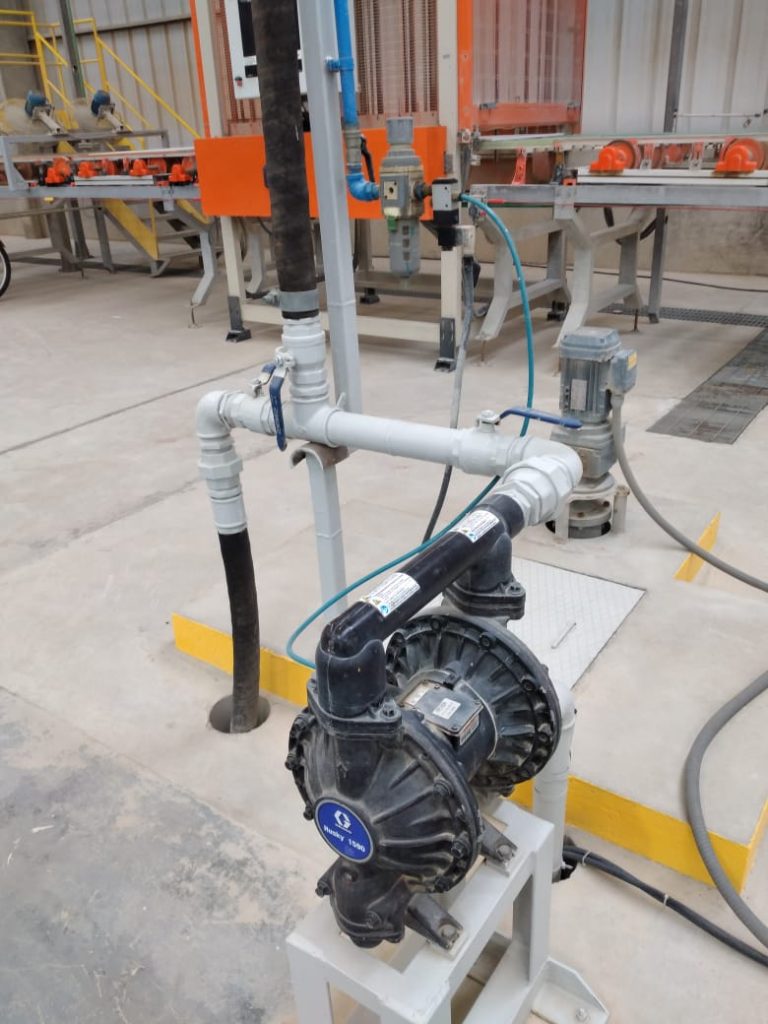
Invest in valves from recognized brands, such as Graco Inc. e Pneumax. The quality of materials and design directly impacts the durability and reliability of the valves.
3. Team Training
Ensure your staff is well trained to operate and maintain the valves. Adequate knowledge about the operation and maintenance of valves can prevent errors that lead to failures.
4. Monitor Performance
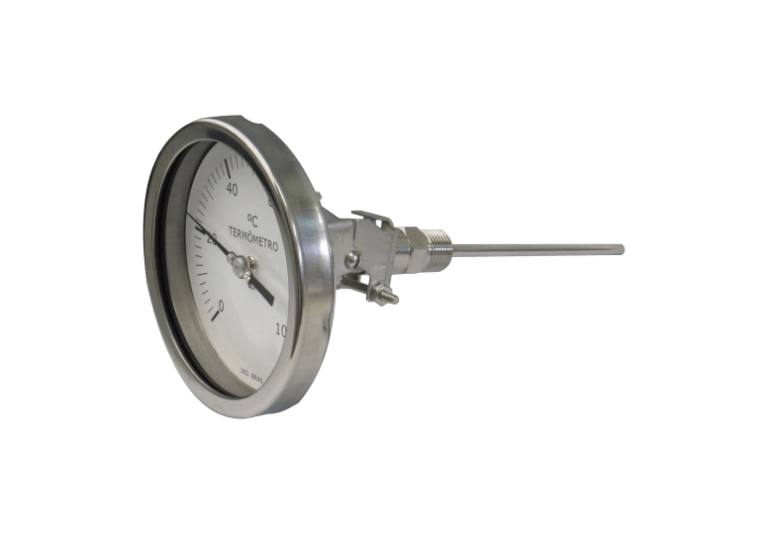
Use monitoring systems to monitor valve performance in real time. This can help identify issues before they become critical, enabling quick corrective action.
5. Document Inspections and Maintenance
Keeping detailed records of inspections and maintenance performed on valves is essential. This helps identify failure patterns and plan future maintenance more effectively.
Common errors that affect reliability
There are several common mistakes that may affect the valve reliability in industrial processes. Identifying and correcting these errors is essential to ensure the efficiency and safety of operations.
1. Incorrect Installation
Improper installation of the valves can lead to malfunctions. It is important to follow the manufacturer's specifications and ensure that the valves are correctly aligned and securely attached.
2. Lack of Maintenance
Failure to have a regular maintenance plan can result in premature wear and failure. Valves must be inspected and maintained periodically to ensure proper performance.
3. Use of Inadequate Valves
Selecting valves that are not suitable for the specific application can compromise reliability. It is essential to consider factors such as pressure, temperature and type of fluid when choosing valves.
4. Negligence in Lubrication
Inadequate lubrication can cause excessive friction and wear on the moving parts of the valves. It is important to follow the manufacturer's recommendations on lubrication to ensure smooth operation.
5. Ignoring Warning Signs
Disregarding warning signs, such as leaks or unusual noises, can lead to catastrophic failures. It is crucial to monitor valve performance and act quickly if you notice any anomalies.
Importance of Reliability in Industrial Processes
Valve reliability is crucial to the success of any industrial operation. Well-maintained and correctly installed valves ensure process safety and efficiency.
Following tips to ensure reliability, such as performing regular maintenance and choosing quality valves, can prevent failures and reduce operating costs.
Additionally, being aware of common errors that affect reliability helps avoid serious problems. With good management and attention to detail, it is possible to maximize efficiency and safety in industrial operations.
Therefore, investing in valve reliability is an essential step towards the success and sustainability of your business.
FAQ – Frequently asked questions about the reliability of valves in industrial processes
What is the importance of valves in the reliability of industrial processes?
Valves control the flow of fluids, ensuring processes occur safely and efficiently, which is crucial for reliability.
How can I ensure valve reliability?
Performing regular maintenance, choosing quality valves and training staff to operate and maintain equipment properly.
What common errors can affect valve reliability?
Errors such as incorrect installation, lack of maintenance, use of inappropriate valves and neglect of lubrication can compromise reliability.
What should I do if I notice a valve leak?
It is important to act quickly by stopping the system and carrying out an inspection to identify and correct the problem.
What is the impact of lack of maintenance on valves?
Lack of maintenance can lead to premature failures, production interruptions and even accidents, resulting in high costs and safety risks.
How to monitor valve performance?
Using monitoring systems that track performance in real time, allowing problems to be identified before they become critical.