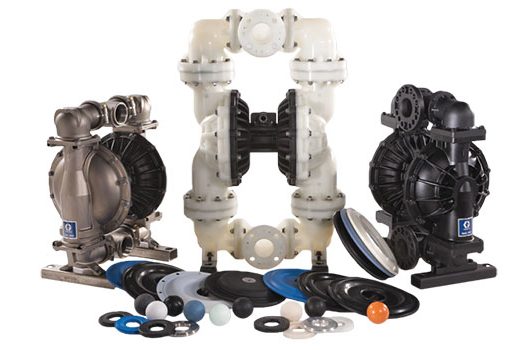
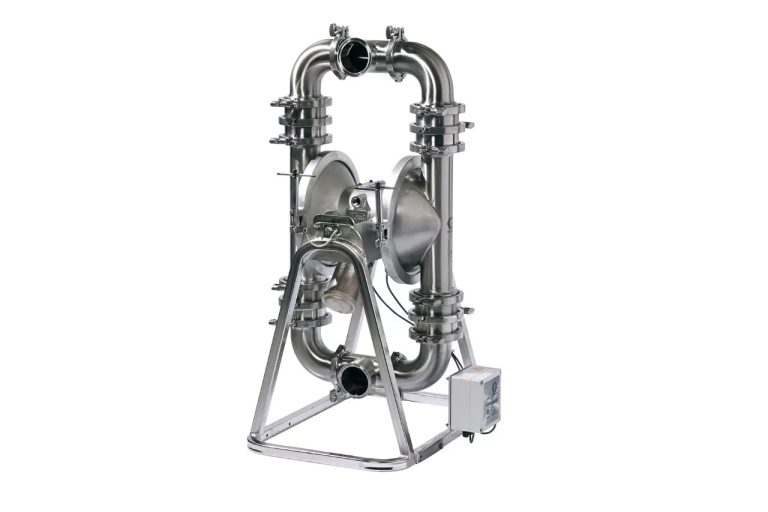
Pneumatic diaphragm pumps are highly versatile equipment, capable of maintaining the smooth running of operations in different segments. Delivering reliability and safety, these pumps provide high availability and can considerably increase the company's production with excellent cost-benefit.
If you are thinking about purchasing a bomba diaphragm pneumatics for your business, we have prepared a series of answers to the main questions about this equipment. Check it out below!
What are the main benefits of pneumatic diaphragm pumps?
Compared to other positive displacement pumps, pneumatic diaphragm pumps have many advantages and benefits. Being able to be applied in a wide range of operations, they can transport different types of fluids, from water to dangerous materials.
They can also transport fluids with waste, without compromising their structure or functionality. Once correctly sized, it serves several applications, working only with compressed air. Among the main advantages of this pump are:
· Dry operation;
· Does not require electricity to operate;
· They can be operated in elevated suction, in flooded suction and even submerged.
· It has a sealless design;
· They are certified by the responsible bodies;
· And much more.
What is the cost of this type of pump?
Depending on the pump's manufacturing material, its cost can vary greatly, but it is still equipment with a more attractive cost than other options available on the market. Therefore, as it is a highly functional pump, it delivers much more productivity than other similar options. It is important to remember that, even if the initial investment is a little higher, the performance delivered is much more advantageous and profitable for the business.
Is it possible to control your flow rate?
A pneumatic pump flow Diaphragm pressure can be controlled through a filter regulator, which can protect the air valve by removing debris and other contaminants. This device also helps maintain smooth operation and protects the pump structure, increasing its useful life.
More air = More energy?
Because they are operated with compressed air, pneumatic diaphragm pumps do not require electrical energy to operate. In order to deliver the expected performance, the pump needs to be supplied with compressed air at the appropriate pressure and volume, according to the manufacturer's specifications.
It is important to have an air compressor compatible with the needs of your operation, checking the flow curve of your pump. If in doubt, it is important to contact the manufacturer or consult the operating manual. In any case, the more efficient your pump is, the greater the energy (compressed air) savings will be.
Can the pump transport viscous fluids?
Pneumatic diaphragm pumps can transport different types of fluids, from the most liquid to the most viscous. However, it is important to consider the maximum viscosity that these pumps can handle without damaging their structure. In general, this equipment can handle any material that can flow up to 90,000 cst.
Do pumps require a lot of maintenance?
Even though they are highly reliable equipment, it is natural that this equipment needs maintenance. The positive side is that the components that can wear out are quite limited, making maintenance quick and easy. Generally, they may require replacement of diaphragms, valves and other minor components.
Is it necessary to check the tightness of the screws?
Due to vibration, stops for preventive maintenance, among others, the pneumatic diaphragm pump clamps may end up loosening. Therefore, these grips must be checked to ensure their safety and performance. Even if the pump has not undergone maintenance, the flow of materials and the movement of the operation can cause these tightenings to become loose, which should be checked periodically.