Operational safety is vital to protect employees and assets, reducing accidents and increasing productivity. Effective measures, such as ongoing training and use of technology, ensure a safe and regulatory-compliant working environment.
Ensure operational safety instruments is a priority in modern industries. Maintaining a safe environment is not just a matter of compliance, but also a vital factor in efficiency and productivity. In this article, we will discuss the best practices for ensuring operational security, as well as the main instruments that can help with their implementation.
Importance of Operational Security
A importance of operational security cannot be underestimated in industrial environments. Operational safety is essential to protect not only workers, but also company assets and the environment. Implementing effective safety measures helps prevent accidents, reduce costs and ensure continuity of operations.
Accident Reduction
One of the main objectives of operational security is the accident reduction. This is achieved through identifying risks and implementing security protocols. Regular training and employee awareness are essential to creating a safety culture.
Asset Protection
In addition to protecting workers, operational safety also aims to asset protection of the company. Damaged or destroyed equipment can result in significant financial losses. Safety measures help preserve the integrity of equipment and avoid unplanned downtime.
Regulatory Compliance
Companies must comply with a series of safety-related regulations. Compliance not only avoids legal penalties, but also demonstrates the company's commitment to the safety and well-being of its employees. Keeping records and performing regular audits are best practices.
Improving Operational Efficiency
When security is prioritized, operations tend to be more efficient. A safe work environment allows employees to focus on their tasks without distractions or concerns about risk. This results in greater productivity and quality in the work performed.
Main Instruments to Ensure Security
Os main instruments to ensure security operations are essential for the protection of workers and assets. These instruments vary according to the type of industry, but they all have a common objective: to minimize risks and ensure a safe working environment.
Personal Protective Equipment (PPE)
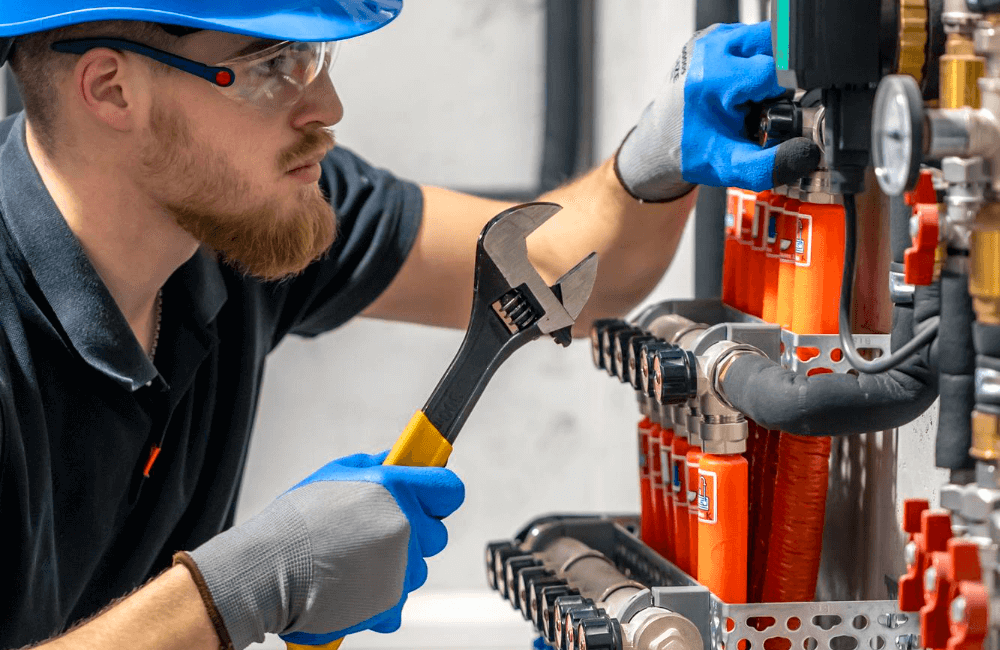
Os EPIs are fundamental in any work environment. They include helmets, gloves, goggles and respirators. Proper use of this equipment significantly reduces the risk of occupational injuries and illnesses.
Monitoring Systems
Os monitoring systems are vital to operational security. Surveillance cameras, motion sensors and alarms help detect and prevent incidents before they become serious. These systems allow for rapid response to emergency situations.
Security Protocols
To establish security protocols clear is crucial. This includes emergency procedures, regular training and evacuation drills. Well-trained employees are better prepared to act correctly in risk situations.
Risk Assessment Tools
As risk assessment tools help identify and analyze potential hazards in the work environment. This may include checklists, security management software and regular audits. Continuous assessment is critical to maintaining a safe environment.
Effective Strategies to Minimize Risks
Implement effective strategies to minimize risks It is essential to ensure operational safety in any work environment. These strategies help identify, evaluate and control risks, promoting a safer environment for all employees.
Continuous Training
O continuous training of employees is one of the best ways to minimize risks. Holding regular safety workshops and courses helps keep everyone up to date on best practices and emergency procedures. Well-trained employees are more likely to act correctly in risky situations.
Regular Risk Assessment
Realize regular risk assessments allows you to identify new hazards and evaluate the effectiveness of existing safety measures. This may include safety inspections, audits and employee feedback. Continuous assessment is essential for the constant improvement of operational safety.
Security Technology Implementation
Use security technology can help monitor and control risks more effectively. Alarm systems, security cameras and motion sensors are examples of tools that can be implemented to increase workplace safety.
Safety Culture
Promote a safety culture within the organization is crucial. This involves encouraging employees to report hazards, participate in safety discussions, and get involved in safety initiatives. A strong safety culture promotes shared responsibility and awareness among all employees.
Benefits of Implementing Security Measures
A implementation of security measures It brings several benefits that go beyond the physical protection of employees. These measures are essential to create a safe and efficient work environment, positively impacting team productivity and morale.
Reduction of Accidents and Injuries
One of the main benefits is the reduction of accidents and injuries. Effective safety measures, such as training and the use of Personal Protective Equipment (PPE), help prevent incidents that could result in serious injuries or even fatalities.
Increased Productivity
When employees feel safe, they can better focus on their tasks. This leads to a increased productivity, as less time is lost to interruptions due to accidents or safety concerns.
Improving Employee Morale and Satisfaction
A safe work environment contributes to improving employee morale and satisfaction. When employees see that the company cares about their well-being, it increases engagement and loyalty to the organization.
Compliance with regulations
A implementação de medidas de segurança também garante que a empresa esteja em compliance with regulations locais e nacionais. Isso não apenas evita multas e penalidades, mas também protege a reputação da empresa no mercado.
Importance of Operational Security
Garantir a segurança operacional é fundamental para qualquer empresa. A implementação de medidas de segurança eficazes não apenas protege os colaboradores, mas também melhora a eficiência e a produtividade no ambiente de trabalho.
Com a redução de acidentes, aumento da moral dos funcionários e conformidade com regulamentações, as empresas podem criar um espaço onde todos se sintam seguros e valorizados.
Investing in operational security is an essential step towards long-term success, enabling organizations to thrive in a competitive environment.
FAQ – Operational Security Frequently Asked Questions
Why is operational security important for companies?
Operational safety is crucial to protect employees, reduce accidents and ensure an efficient work environment.
What are the main instruments to ensure safety at work?
The main instruments include Personal Protective Equipment (PPE), monitoring systems and safety protocols.
How does ongoing training help with operational security?
Continuous training keeps employees up to date on best practices and procedures, reducing the risk of accidents.
What are the benefits of implementing security measures?
Benefits include reduced accidents, increased productivity, improved employee morale and compliance with regulations.
How can I foster a safety culture in my company?
Encourage employees to report hazards, participate in safety discussions, and involve everyone in safety initiatives.
What technologies can be used to improve operational security?
Technologies such as security cameras, alarms and motion sensors help you monitor and control risks effectively.