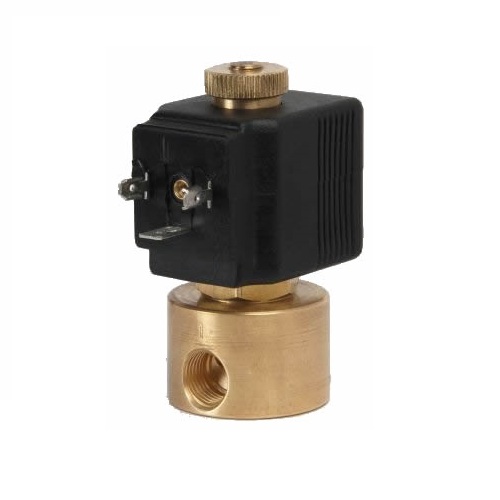
Proper maintenance of the bomba diaphragm is crucial to ensuring its performance and longevity. Carrying out regular inspections, using correct parts and training staff are essential practices to avoid failures and maximize equipment efficiency.
A diaphragm pump maintenance is crucial to ensuring the efficiency and durability of this equipment. Many industries depend on this type of pump for safe and effective operations. In this article, we will learn about the importance of maintenance, how to carry out a proper check-up and what precautions should be taken to avoid future problems.
Importance of diaphragm pump maintenance
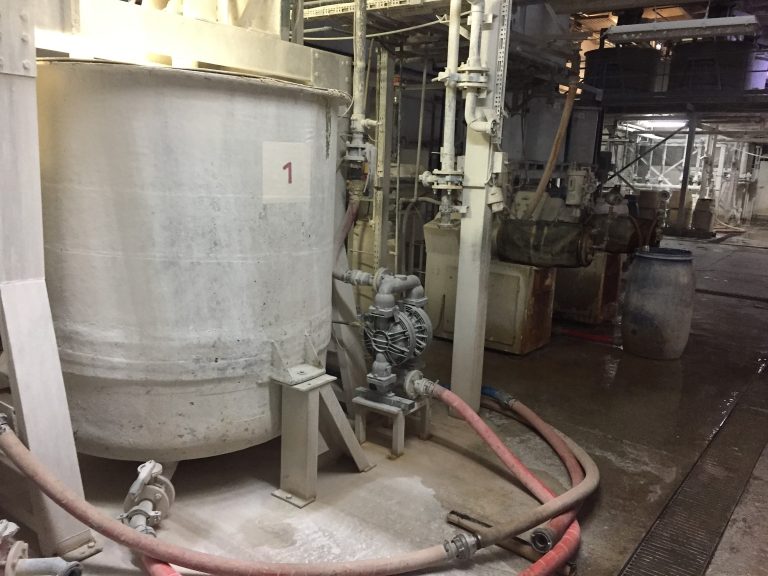
A diaphragm pump maintenance It is essential to ensure the proper functioning and longevity of the equipment. These pumps are widely used in various industries such as chemical, pharmaceutical and food due to their ability to handle viscous and abrasive fluids.
Carrying out regular maintenance helps prevent unexpected failures, which can result in production downtime and high costs. Additionally, a well-maintained pump operates more efficiently, reducing energy consumption and increasing productivity.
It is important to check components such as diaphragms, valves and seals, as wear on these elements can compromise the pump's performance. Preventive maintenance should include periodic inspections, cleaning and replacement of worn parts.
Furthermore, training the team responsible for maintenance is essential. Regular training ensures that professionals are up to date on best practices and maintenance techniques, contributing to the safety and efficiency of the process.
Main components of diaphragm pump
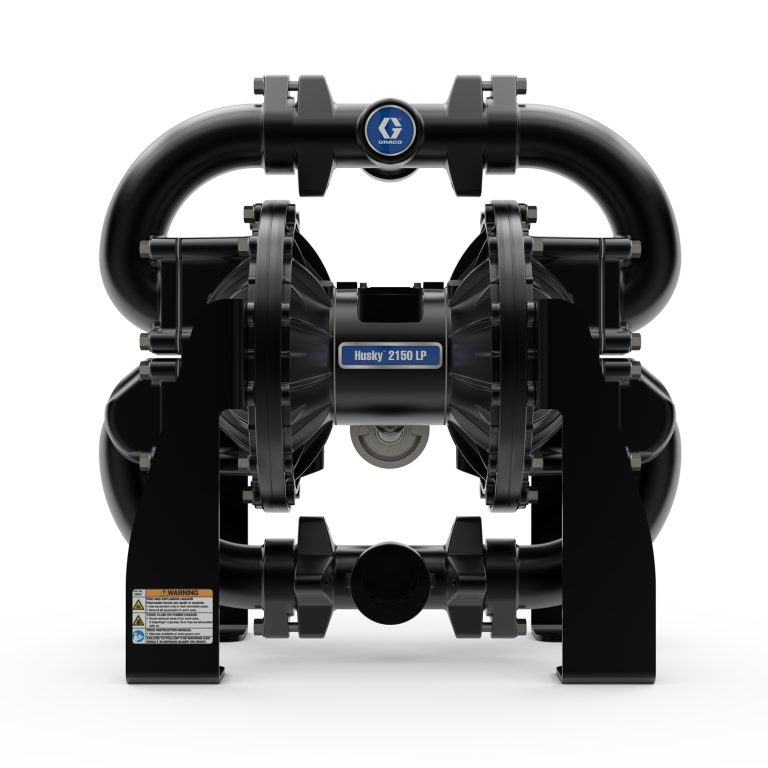
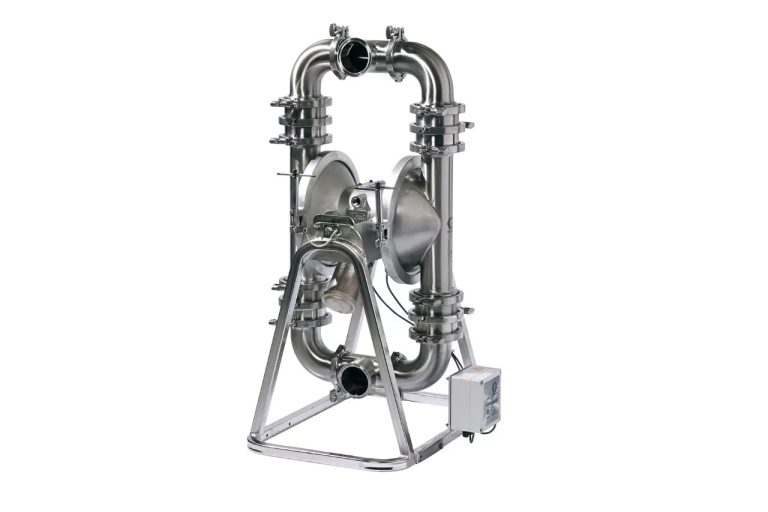
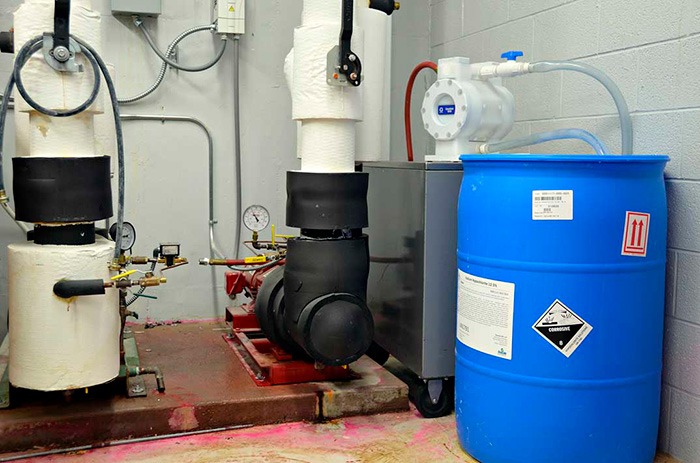
Os main components of diaphragm pump are essential for its effective functioning. Each part plays a crucial role in the operation and maintenance of the equipment.
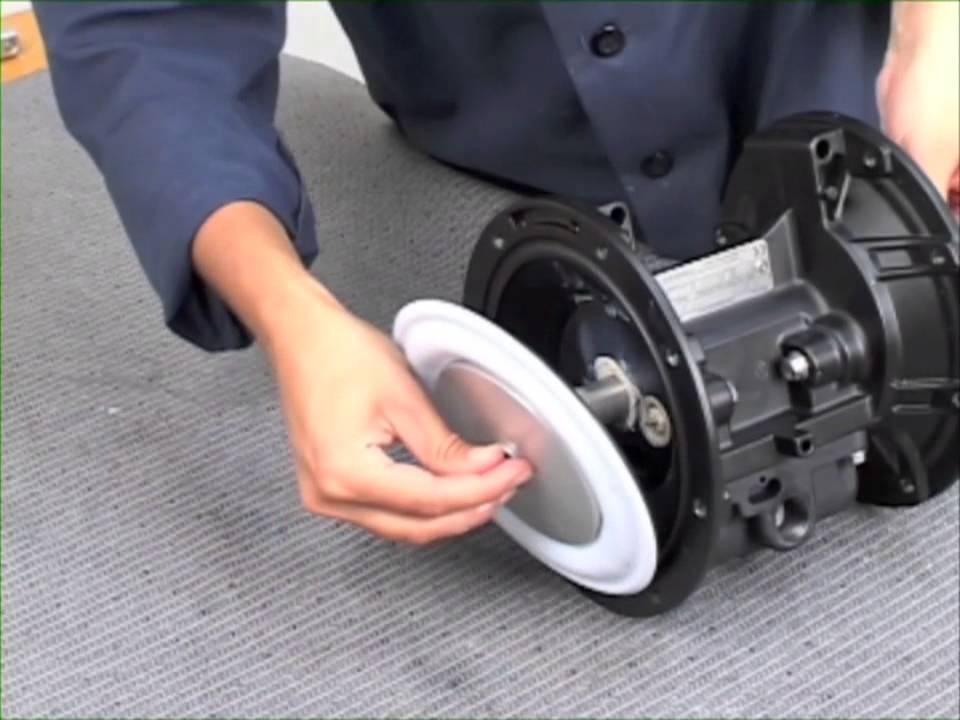
O diaphragm it is the centerpiece of the pump, responsible for creating the pressure necessary to move the fluid. It must be made of resistant materials, such as rubber or PTFE, to withstand different types of fluids.
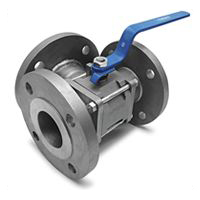
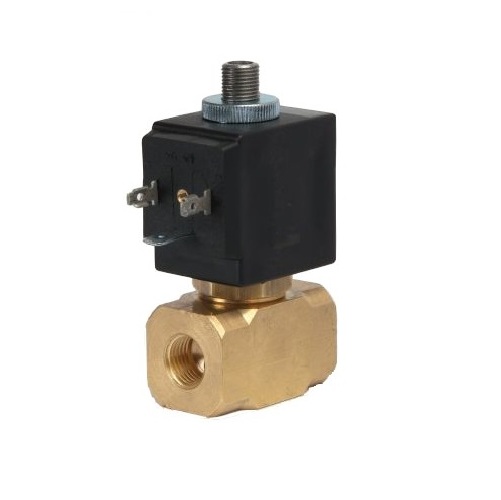
As inlet and outlet valves control the flow of fluid. They ensure that the fluid enters and leaves the pump efficiently, preventing backflows that could damage the system.
Another important component is the head, which houses the diaphragm and valves. The head must be designed to withstand internal pressure and allow easy maintenance.
In addition, the pump structure it must be robust and resistant to corrosion, especially in industrial environments. Choosing suitable materials for the structure is essential for the pump’s durability.
Finally, the motor or drive system provides the energy required to operate the pump. Motor efficiency directly impacts the overall performance of the diaphragm pump.
Diaphragm pump maintenance step by step
Carry out the diaphragm pump maintenance is essential to ensure its efficient functioning. Here is a step-by-step guide to help with this process.
1. Switch off the pump: Before starting any maintenance, it is essential to turn off the pump and disconnect the power source to ensure operator safety.
2. Visually inspect: Perform a visual inspection for leaks, cracks or damage to components. Also check for dirt or debris buildup that could affect pump performance.
3. Check the diaphragm: The diaphragm is a critical part of the pump. Remove it and inspect for wear or cracks. If necessary, replace it with a new diaphragm suitable for the type of fluid the pump handles.
4. Clean the valves: Inlet and outlet valves must be cleaned to ensure proper flow. Remove them and clean with a cloth or brush, ensuring there are no obstructions.
5. Reinstall and test: After cleaning and replacing parts, reinstall all components. Connect the pump back to the power source and test to ensure everything is working properly.
Following these steps regularly will help extend the life of your diaphragm pump and prevent unexpected failures.
Tips to extend diaphragm pump life
Extend to diaphragm pump service life It is essential to ensure efficiency and reduce maintenance and replacement costs. Here are some practical tips for achieving this goal.
1. Perform regular maintenance: Preventive maintenance is essential. Inspect the pump periodically, check components such as diaphragms and valves, and carry out regular cleaning to avoid residue accumulation.
2. Use appropriate fluids: Make sure the fluids used are within the manufacturer's recommended specifications. Inadequate fluids can cause premature wear and damage to equipment.
3. Monitor operating pressure: Maintain operating pressure within recommended limits. Excessive pressures can damage the pump and reduce its useful life.
4. Train the team: Empower operators and maintenance staff to learn best operation and maintenance practices. Good training can avoid errors that compromise the pump’s operation.
5. Store correctly: If the pump is not in use, store it in a dry location protected from extreme temperatures. This helps preserve pump materials and components.
By following these tips, you can ensure that your diaphragm pump works efficiently and has a long lifespan.
Common maintenance mistakes and how to avoid them
Na maintenance of diaphragm pumps, some common mistakes can compromise the performance and durability of the equipment. Knowing these errors and how to avoid them is essential to guarantee the efficiency of the pump.
1. Ignore preventive maintenance: Maintenance is often left unattended until a failure occurs. Performing regular inspections and preventive maintenance helps identify problems before they become serious.
2. Using inappropriate replacement parts: Replacing components with parts that are not compatible may cause damage to the pump. Always use parts recommended by the manufacturer to ensure correct operation.
3. Not checking the fluid conditions: Inadequate or contaminated fluids can damage the pump. It is important to monitor the quality of the fluid and ensure that it is within the necessary specifications.
4. Neglecting lubrication: Lack of adequate lubrication can lead to premature wear of moving parts. Follow the manufacturer's recommendations on how often and what type of lubricant to use.
5. Not training the team: Lack of knowledge about pump operation and maintenance can result in errors. Provide regular training for the team, ensuring everyone is aware of best practices.
Avoiding these common mistakes can significantly increase diaphragm pump life and improve operational efficiency.
Diaphragm Pump Maintenance: The Key to Efficiency
Proper maintenance of the diaphragm pump is essential to ensure its efficient operation and extend its useful life. By following these tips and avoiding common mistakes, you can maximize your equipment's performance.
Carrying out regular inspections, using the correct spare parts and training the team are fundamental steps to avoid failures and ensure operational safety.
With a proactive approach to maintenance, your diaphragm pump will operate reliably, contributing to the efficiency and productivity of your operation.
FAQ – Diaphragm Pump Maintenance Frequently Asked Questions
How important is regular diaphragm pump maintenance?
Regular maintenance is crucial to ensure the pump operates efficiently, prevents failures and extends its useful life.
What are the main mistakes to avoid when maintaining a diaphragm pump?
Common mistakes include ignoring preventative maintenance, using inappropriate parts and not checking fluid quality.
How can I identify if the diaphragm needs to be replaced?
Inspect the diaphragm regularly for cracks or wear. If there are signs of damage, it's time to replace it.
What is the recommended frequency for diaphragm pump maintenance?
The frequency of maintenance may vary, but it is recommended to carry out inspections every three months or depending on the intensity of use.
What type of fluid is suitable to use in the diaphragm pump?
Use fluids that are within the manufacturer's specifications, avoiding contaminants that could damage the pump.
How can team training help with pump maintenance?
Training the team ensures that everyone knows the best operation and maintenance practices, reducing errors and increasing efficiency.