Transferring abrasive liquids requires strict care, including the use of appropriate equipment, compliance with safety standards and employee training. Following these guidelines is essential to ensure safe handling and minimize environmental risks.
A transfer of abrasive liquids involves several crucial aspects ranging from safety to handling efficiency. In this publication, we will cover the main points that you should consider when dealing with abrasive liquids, ensuring that your process runs smoothly and in accordance with safety standards. Get ready to delve deeper into the best practices and equipment essential for an effective transfusion.
Importance of transferring abrasive liquids
A transfer of abrasive liquids is a critical process in several industries, as it involves the handling of substances that can cause damage to equipment and health risks. It is essential to understand the importance of this process to ensure the safety of workers and the integrity of transport systems.
Handling Safety
One of the main aspects of transferring abrasive liquids is safety. Inadequate equipment or incorrect procedures can result in leaks, explosions or contamination. Therefore, it is essential to use appropriate equipment and follow established safety standards.
Operational efficiency
In addition to safety, efficiency in transferring abrasive liquids directly impacts productivity. Well-planned and executed processes minimize downtime and reduce operational costs. Choosing suitable pumps and valves is crucial to optimize flow and avoid losses.
Compliance with Standards
Industries must be aware of the regulations governing the handling of abrasive liquids. Compliance with environmental and safety standards not only protects workers, but also avoids legal penalties and damage to the company's reputation.
Employee Training
Proper employee training is vital to ensure everyone understands the risks and best practices when transferring abrasive liquids. Training programs should include information on the correct use of emergency equipment and procedures.
Therefore, the transfer of abrasive liquids is not just a matter of logistics, but involves a number of considerations that impact the safety, efficiency and compliance of industrial operations.
Main types of abrasive liquids
Os abrasive liquids They are used in various industrial applications, and knowing the main types is essential to ensure the appropriate choice in the transfer process. These liquids can vary in composition and properties, directly affecting the way they are handled.
Acids
Acids are one of the most common types of abrasive liquids. They can cause corrosion in materials and equipment, requiring special care during transfer. Examples include sulfuric acid and hydrochloric acid, which are often used in chemical processes.
Solvent
Solvents, such as acetone and thinner, are also considered abrasive liquids. They are used to dissolve other materials and can be highly volatile. Solvent transfer requires equipment that supports their chemical properties and prevents evaporation.
Oils and Greases
Abrasive oils and greases are used in lubrication and maintenance processes. These liquids may contain solid particles that increase their abrasiveness. It is important to use pumps and valves designed to handle these materials, avoiding damage to the system.
Suspensions
Suspensions are mixtures of solids in liquids that can be abrasive. Examples include paints and chemicals used in painting processes. Suspension transfer requires special attention to avoid sedimentation and ensure uniform flow.
Emulsions
Emulsions are mixtures of two immiscible liquids, such as oil and water, which can have abrasive properties. They are often used in cooling and lubrication processes. The transfer of emulsions must be done with equipment that guarantees the homogeneity of the mixture.
How to make the transfer securely
Carry out the transfer of abrasive liquids safely is essential to protect both workers and the environment. There are several best practices that should be followed to ensure the process runs without incident.
Process Planning
Before starting the transfer, it is essential to plan the process. This includes assessing the type of liquid to be transferred, material properties and required equipment. Proper planning helps identify risks and prepare security measures.
Personal Protective Equipment (PPE)
Workers must always use Personal Protective Equipment (PPE) suitable equipment, such as gloves, protective glasses and aprons. This equipment helps minimize exposure to dangerous substances and reduces the risk of accidents.
Use of Appropriate Equipment
Using pumps and valves designed specifically for abrasive liquids is crucial. This equipment must be made of corrosion-resistant materials capable of withstanding the abrasiveness of the liquid. Always check the manufacturer's specifications before use.
Team training
Proper staff training is vital to ensure everyone understands safety procedures. Employees must be instructed on how to operate equipment correctly and how to act in the event of an emergency.
Monitoring and Maintenance
Continuous monitoring during transfer is important to detect leaks or equipment failures. Additionally, regular maintenance of transfer systems helps ensure everything works correctly and safely.
Equipment needed for transfer
To carry out the transfer of abrasive liquids efficiently and safely, it is essential to use the appropriate equipment. The correct choice of devices can prevent accidents and guarantee the integrity of the transferred material.
Pneumatic pumps
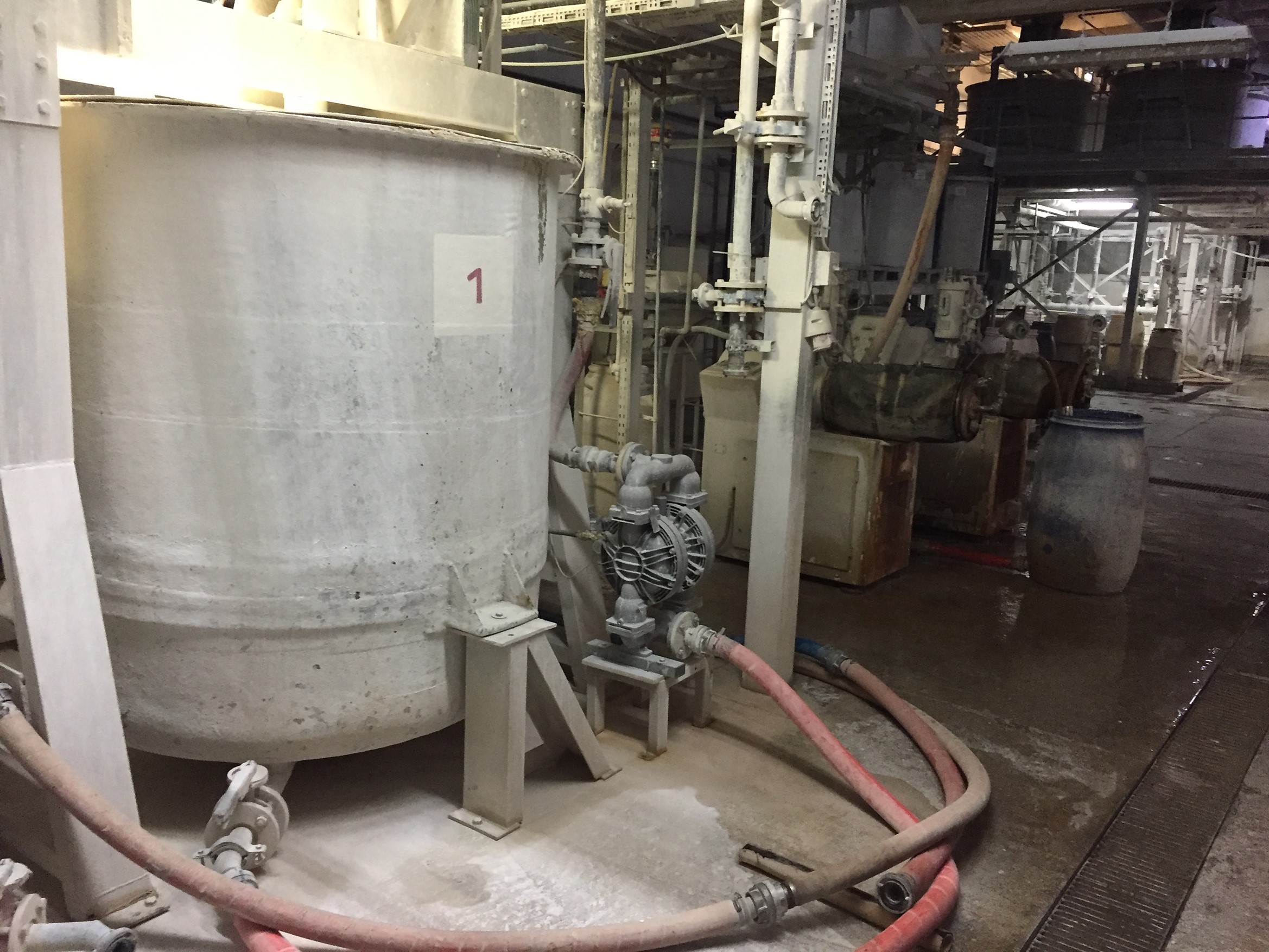
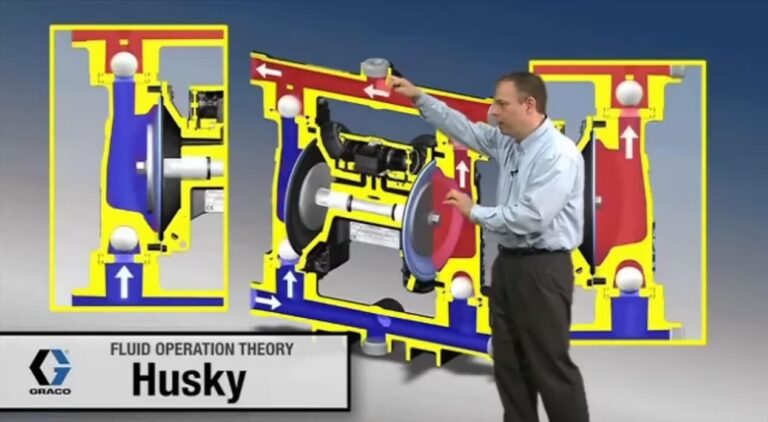
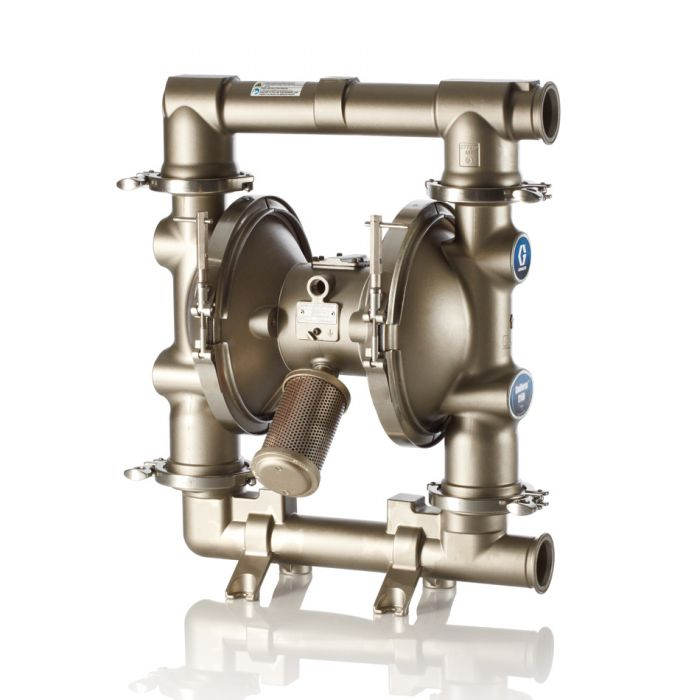
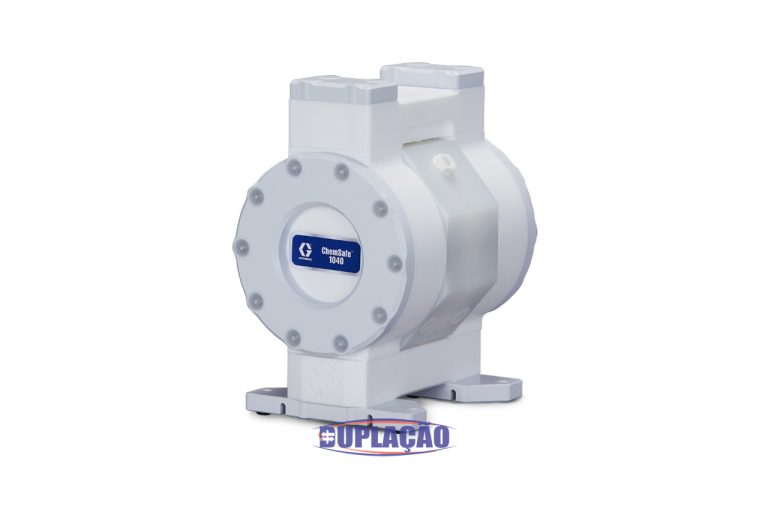
As pneumatic pumps are widely used to transfer abrasive liquids. They offer high efficiency and are designed to handle the abrasiveness of liquids, minimizing wear. It is important to choose pumps that are compatible with the type of liquid to be transferred.
Control Valves
As control valves They are essential for regulating the flow of liquids during transfer. Elas devem ser feitas de materiais resistentes à corrosão e abrasão, garantindo que não haja vazamentos. Válvulas de esfera e válvulas de gaveta são opções comuns para esse tipo de aplicação.
Mangueiras e Conexões
As hoses used to transfer abrasive liquids must be robust and resistant to chemical products. Polyurethane or rubber hoses are often recommended. Furthermore, the connections they must be safe and compatible with the equipment used, avoiding accidental disconnections.
Storage Tanks
Os storage tanks they must be designed to withstand abrasive liquids, with internal coatings that prevent corrosion. It is important that these tanks are adequately marked and have ventilation systems to avoid excessive pressure.
Personal Protective Equipment (PPE)
In addition to transfer equipment, workers must use Personal Protective Equipment (PPE) suitable equipment, such as gloves, protective glasses and aprons. These items are essential to ensure operator safety when handling dangerous liquids.
Applicable rules and regulations
Handling and transfer of abrasive liquids are subject to various rules and regulations which aim to guarantee the safety of workers and the protection of the environment. Knowing and following these guidelines is essential to avoid penalties and ensure safe operations.
Occupational Safety Standards
Work safety standards, such as those established by NR-20 Regulatory Standard, address the handling of flammable and combustible liquids. These standards require companies to implement safety measures, such as employee training and the use of appropriate PPE.
Environmental Legislation
Environmental legislation also plays a crucial role in the transfer of abrasive liquids. THE Environmental Crimes Law establishes penalties for companies that do not follow environmental protection guidelines. It is essential that transfer operations are carried out in a way that prevents soil and water contamination.
Transport Standards
The standards for transporting chemical products, such as those defined by ANTT (National Land Transport Agency), regulate the transport of dangerous liquids. These standards include requirements for the labeling, packaging and documentation of products during transport.
Equipment Certifications
Equipment used to transfer abrasive liquids must meet specific safety and efficiency standards. Certifications such as ISO 9001 and a ATEX ensure that equipment is safe for use in potentially explosive environments.
Civil and Criminal Liability
Companies are civilly and criminally responsible for accidents that occur during the transfer of abrasive liquids. This includes harm to third parties and the environment. Therefore, it is vital that companies follow all applicable rules and regulations to minimize risks and liabilities.
Importance of Safe Transfer of Abrasive Liquids
The transfer of abrasive liquids is an activity that requires attention and care. Following rules and regulations is essential to ensure worker safety and environmental protection.
Using the correct equipment and ensuring that everyone involved is trained are fundamental steps to avoiding accidents. Furthermore, compliance with current legislation helps prevent legal and environmental problems.
Therefore, when handling abrasive liquids, always remember the importance of a safe and efficient process. This not only protects your team, but also contributes to a safer and more productive work environment.
FAQ – Abrasive Liquid Transfer Frequently Asked Questions
What are the main risks when transferring abrasive liquids?
The main risks include leaks, corrosion of equipment and exposure of workers to dangerous substances.
What equipment is needed for the safe transfer of abrasive liquids?
It is necessary to use pneumatic pumps, control valves, resistant hoses and Personal Protective Equipment (PPE).
How to ensure compliance with safety standards?
Companies must follow regulatory standards, carry out training and ensure that all equipment is certified.
How important is employee training?
Training is crucial so that employees know safety procedures and know how to operate equipment correctly.
How can I minimize environmental impact when transferring abrasive liquids?
It is important to follow environmental legislation, use appropriate equipment and have an emergency plan for leaks.
What to do in case of leakage during transfer?
Immediately isolate the area, use containment equipment and follow the company's emergency plan to minimize damage.