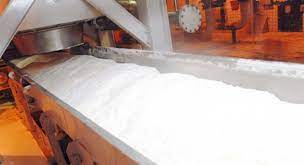
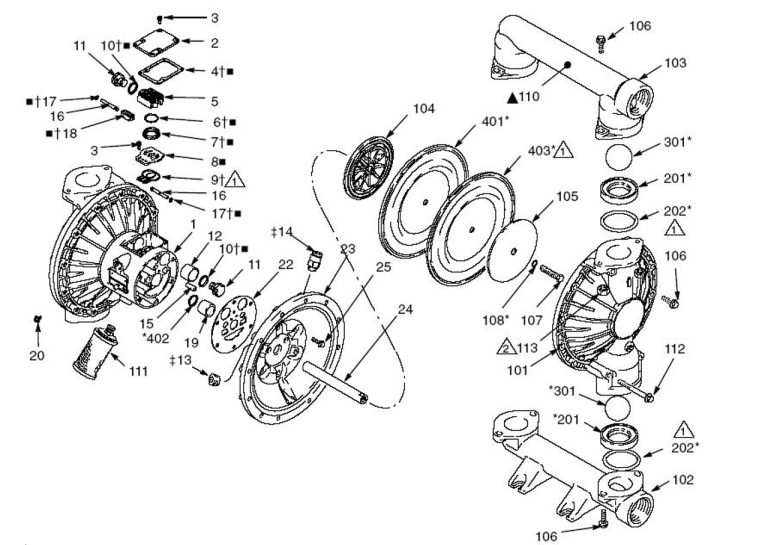
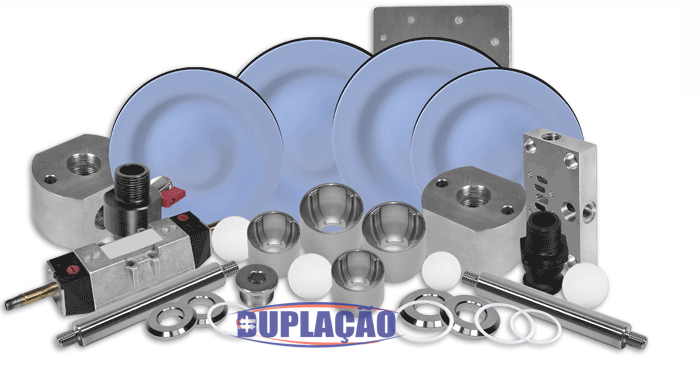
Sugar production is an extremely challenging process, as pulp -laden broth is condensed and converted to molasses and is treated with a hot water jet to extract sugar. To the pneumatic diaphragm pumps They are designed to deal with means of transferring viscous fluids such as molasses, melted syrup, magma, mud, boiled pasta, etc.
The sugar production process begins with sugarcane preparation for juice extraction. Sugarcane cleansing is done spread through bustling mats and passing through jets of warm water, cleaning leaves, soil and rock particles. Beet is chopped before juice extraction.
The juice extraction process involves cutting, crushing and pressing sugarcane with the aid of mills. The residual bagasse is sent to boilers for use as fuel in power generation.
This sugarcane stock is treated with heat to remove acidity. The treated juice is then heated and sent for sedimentary cleaning.
Light juice is evaporated to a syrup stage, bleached by sulfur dioxide and then sent to vacuum pots for additional concentration and sugar grain formation.
Crystals are developed for a desired size and the crystallized dough is then placed on crystallizers to exhaust the liqueur of your sugar as much as possible. This is then centrifuged to separate the crystals from molasses. The molasses is boiled again for later crystallization.
The original syrup is progressively disadvantaged until finally a viscous liquid from which sugar can no longer be economically recovered.
The separate sugar from molasses in the centrifuge is dry, bagged and sent to warehouses to be classified as to the size of the crystals and sent to packaging and labeling.
| Main fluids pumped in the sugar industry |
| COR precipitating |
| Flogulantes |
| Fuller Terra Pasta |
| Lemon paste |
| Magma |
| Mass |
| Foundry |
| Molasses of different stages |
| Phosphoric acid |
| Lama press |
| Raw sugarcane juice with fiber |
| Formal |
| Sulfit |
| Thick juice |