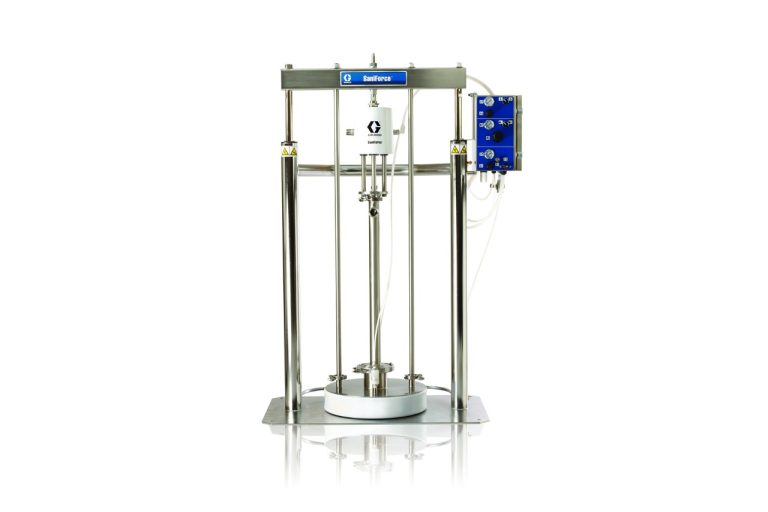
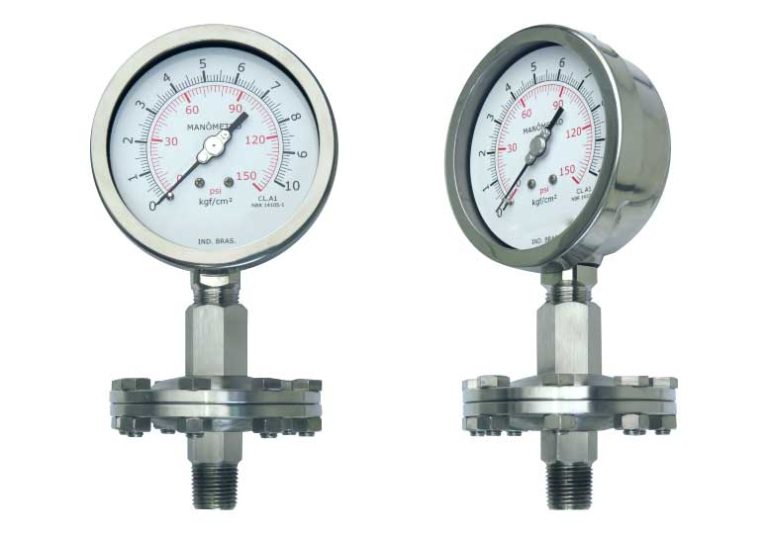
Measuring instruments are essential to ensure accuracy and safety in various sectors. Choosing, using and maintaining these instruments correctly maximizes the efficiency and quality of processes, contributing to reliable and effective results.
Have you ever stopped to think about how measuring instruments help control in different situations in our daily lives? Whether in industry, medicine or even DIY projects, these devices can make all the difference in terms of precision and quality. In this article, we will unveil the importance of measuring instruments, the most used types and give valuable tips on how to use them efficiently.
Importance of Measuring Instruments
A importance of measuring instruments cannot be underestimated in various sectors. They are essential to guarantee the precision and quality of processes, whether in industry, construction or scientific research. Without these instruments, it would be difficult to obtain reliable data and make informed decisions.
Accuracy and Reliability
Measuring instruments allow companies to perform accurate measurements, which is crucial for producing high-quality products. For example, on an assembly line, accurate measurement of components ensures that each part fits correctly, preventing failures and rework.
Security
In addition to quality, safety is another vital aspect. In sectors such as construction and healthcare, inaccurate measurements can lead to serious accidents. Measuring instruments help ensure safety standards are met, protecting workers and end users.
Operational efficiency
With accurate measurements, companies can optimize their processes, reducing waste and increasing efficiency. This translates into time and resource savings, allowing companies to focus on continuous innovation and improvements.
Therefore, investing in quality measurement instruments is essential for any organization that seeks excellence in its operations.
Types of Measuring Instruments
There are several types of measuring instruments available on the market, each designed to meet specific needs. Knowing these instruments is essential to choose the most suitable one for each application.
Length Measuring Instruments
Length measuring instruments such as rulers, tape measures, and calipers are used to measure distances and dimensions. They are essential in areas such as construction, engineering and design.
Temperature Measuring Instruments
Thermometers and pyrometers are examples of instruments that measure temperature. These devices are crucial in sectors such as food and beverage, where temperature control is vital for product safety and quality.
Pressure Measuring Instruments
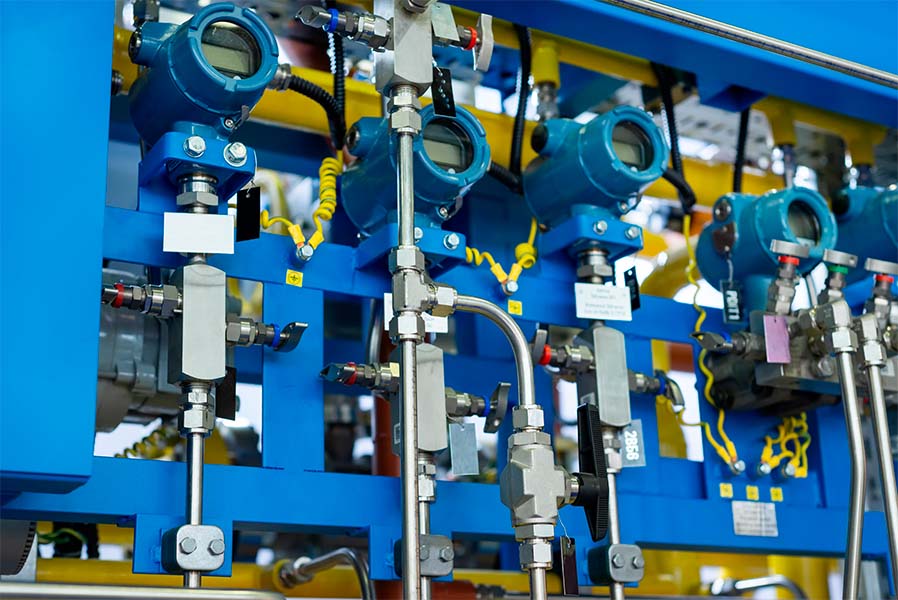
Manometers and barometers are used to measure the pressure of gases and liquids. They are widely used in chemical and petrochemical industries where pressure needs to be monitored accurately.
Electrical Measuring Instruments
Multimeters and oscilloscopes are instruments that measure electrical quantities, such as voltage, current and resistance. These devices are essential in electronics and electrical equipment maintenance.
Understanding the different types of measuring instruments and their applications helps ensure that measurements are accurate and reliable, contributing to process efficiency and safety.
How to Choose the Best Instruments
Choose the best measuring instruments is a crucial task to ensure accuracy and efficiency in any project. There are some guidelines that can help with this process.
Define Your Needs
First of all, it is important to understand what your specific needs are. Ask yourself: what kind of measurements do you need to take? What are the accuracy requirements? Knowing this will help you filter the available options.
Consider Quality and Brand
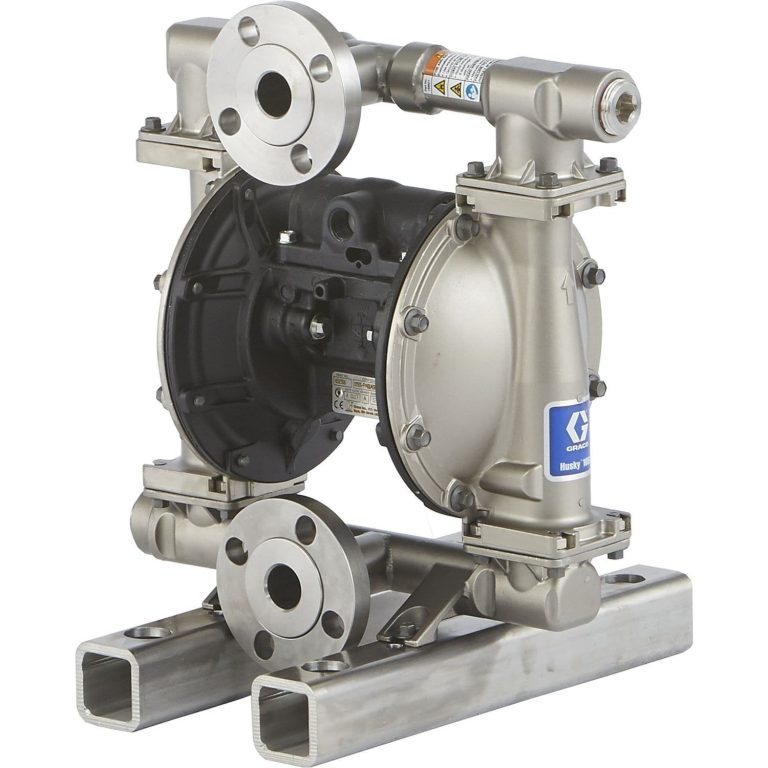
The quality of measuring instruments is fundamental. Choose brands recognized in the market, such as Graco Inc. and Pneumax, which are known for the reliability and durability of their products. Investing in quality can avoid future problems and ensure accurate measurements.
Check the Technical Specifications
When choosing an instrument, check its technical specifications. This includes measuring range, accuracy, resolution and ease of use. An instrument that meets all your technical needs is essential for good performance.
Read Reviews and Testimonials
Before making a purchase, research reviews and testimonials from other users. This can provide valuable insights into the instrument's performance in real-world situations and help you make a more informed decision.
By following these guidelines, you will be able to choose the best measuring instruments for your needs, ensuring accurate and reliable results in your projects.
Tips for Efficient Use of Instruments
To ensure that the measuring instruments are used efficiently, some practical tips can be followed. These guidelines help maximize the accuracy and durability of equipment.
Regular Calibration
One of the most important steps is regular instrument calibration. This ensures that measurements are always accurate. Follow the manufacturer's recommendations for calibration frequency and use reliable reference standards.
Proper Handling
Proper handling of instruments is crucial. Always use equipment according to the manufacturer's instructions and avoid falls or impacts that could damage it. Store instruments in appropriate locations to protect them from dust and moisture.
Team training
Make sure all operators are well trained in the use of instruments. Good training helps to avoid errors and ensure that measurements are taken correctly. Hold refresher sessions periodically to keep the team up to date.
Measurement Documentation
Keeping a detailed record of the measurements taken is essential. This not only helps you monitor accuracy over time, but also makes it easier to identify any issues that may arise. Use spreadsheets or specific software to manage this data.
By following these tips, you can ensure that measuring instruments are used efficiently, contributing to the quality and safety of processes.
Importance of Measuring Instruments
Measuring instruments play a vital role in various industries, ensuring precision and safety in processes. By choosing and using these instruments correctly, you can improve the quality of your work and avoid mistakes.
Following tips for efficient use, such as regular calibration and staff training, is essential to maximizing equipment performance. With the right tools and appropriate practices, you can achieve exceptional results.
Therefore, investing in quality measuring instruments and their proper use is an important step towards success in any project.
FAQ – Frequently asked questions about measuring instruments
What are the main types of measuring instruments?
The main types include length, temperature, pressure and electrical measuring instruments, each with their specific applications.
How can I guarantee the accuracy of my measuring instruments?
Regular calibration and proper handling are essential to ensure the accuracy of measuring instruments.
Why is it important to train staff in the use of measuring instruments?
Training helps avoid errors and ensures measurements are taken correctly, increasing efficiency and safety.
How do I choose the best measuring instrument for my needs?
Define your needs, consider quality and brand, check technical specifications and read reviews from other users.
How important is it to keep records of measurements taken?
Keeping detailed records helps you monitor accuracy over time and makes it easier to identify problems.
Where can I find quality measuring instruments?
You can find quality instruments in specialized stores and with recognized brands, such as Graco Inc. and Pneumax.