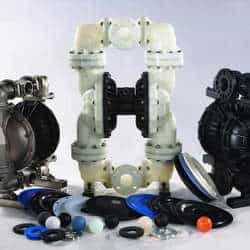
Pneumatic diaphragm pumps are equipment widely used in various industrial sectors, mainly due to their ability to handle a wide variety of fluids. This means that these pumps can handle corrosive, abrasive or viscous fluids without damaging equipment and ensuring process quality. For this reason, the properties of the fluids and materials that are pumped are an essential factor in the process of choosing your bomba.
In this sense, understanding the properties of the fluids and materials that make up your products and are handled by the equipment is essential to guarantee the best performance and durability. For you to better understand the subject, in this article we explore the main factors to understand the role of fluid properties in your process of choosing a pneumatic diaphragm pump.
Understanding the Properties of Fluids
The choice of your pneumatic diaphragm pump will directly depend on the type of fluid that will be pumped, in order to guarantee efficient and safe operation. The main characteristics that must be considered in this process are:
- Viscosity: High viscosity fluids require pumps designed to handle this factor, ensuring it is pumped efficiently without causing wear and tear on pump parts.
- Corrosivity: there are industrial fluids that are highly corrosive and can cause damage to pump components. For this reason, it is necessary to use materials such as stainless steel or special plastics to reduce these effects and guarantee safety without leaks.
- Abrasiveness: abrasiveness is one of the most important fluid properties to be considered in this selection process, as fluids containing solid particles can quickly wear out the components of your equipment.
- Temperature: the temperature of the fluid can affect its selection process, so if it is necessary to choose materials compatible with the operating temperatures, whether it is very low or very high.
How to choose the correct material for your pneumatic diaphragm pump
Considering the properties of fluids, your process of choosing a pneumatic diaphragm pump must take into account the material of its construction. Some common options are:
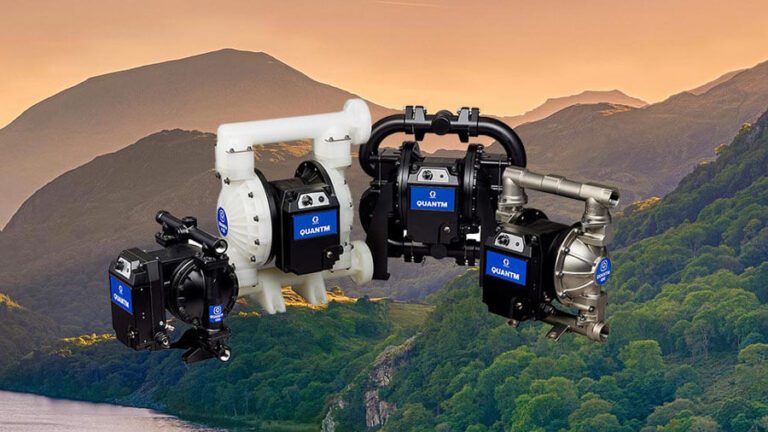
- Stainless steel: ideal for corrosive and fluid materials that require high mechanical and thermal resistance.
- Hastelloy: this material is highly resistant to corrosion and is ideal for pumping aggressive fluids, mainly in the water treatment industry and Chemical industry.
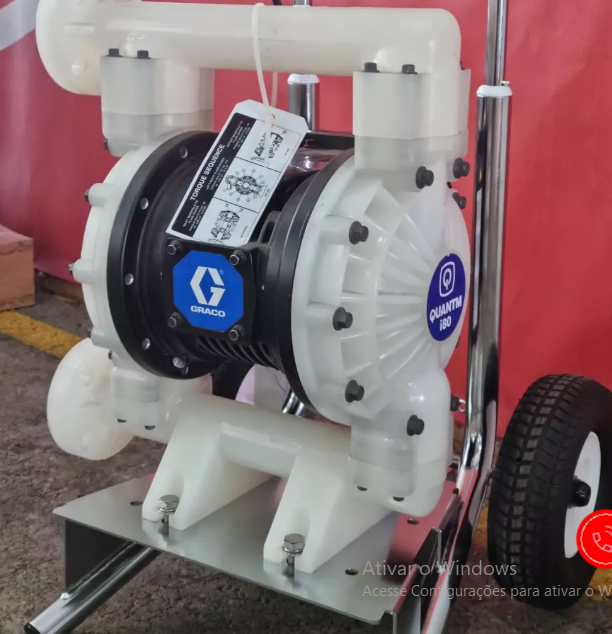
- Engineering plastics: plastics such as PVDF and PTFE are materials that offer high chemical resistance and can be applied in operations involving corrosive fluids or at moderate temperatures.
- Elastomers: materials such as EPDM can be used in the seals and diaphragms of your pneumatic pump, offering excellent chemical resistance and high flexibility.
What else should be considered?
In addition to evaluating the properties of the fluids and materials that make up your pump, there are also other factors that are essential in your selection process. One of these factors is chemical compatibility, depending on the fluid that will be pumped. To do this, you can consult your equipment's compatibility table and carry out tests on small scales to determine the appropriate level of safety.
The operating frequency of your pneumatic diaphragm pump can also influence the durability of your equipment. Pumps that must operate continuously may require a more robust and resistant composition. Furthermore, the components and the maintenance process are also fundamental factors to be evaluated, and the ease of maintenance and availability of spare parts for your equipment must be considered.
Regardless of the case, it is necessary to deeply evaluate your operation in order to choose equipment that can meet your demands and also deliver security and availability. To the pneumatic diaphragm pumps They are highly versatile equipment that can make all the difference in your industrial process as long as they are selected according to the specifications and compatibility of the equipment.
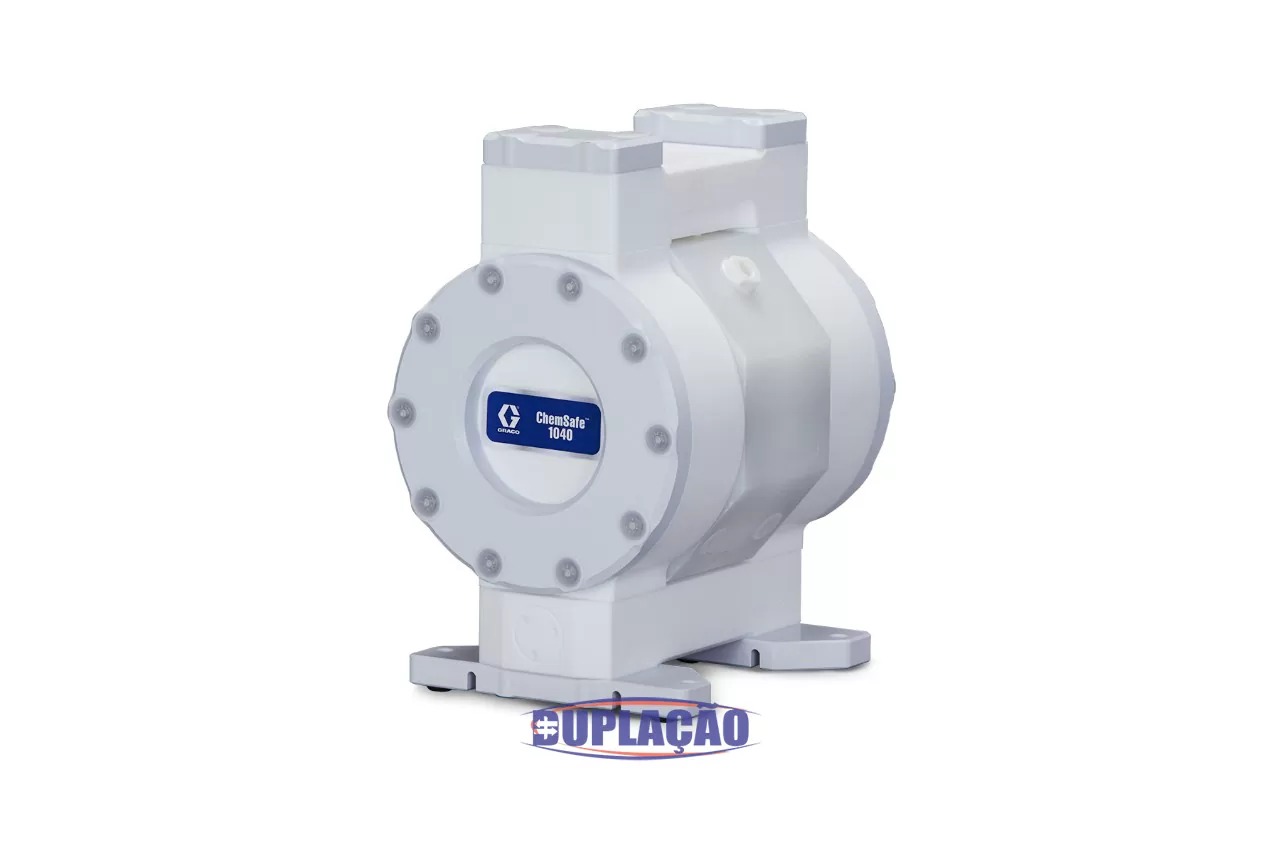
KNOW THE CHEMSAFE 1040 DOUBLE DIAPHRAGM PNEUMATIC PUMP – GRACO