Pneumatic diaphragm pumps are widely used in various industries thanks to their ability to handle different types of fluids, including viscous fluids and suspended consoles. Making these pumps operate in ideal conditions is essential to increase the efficiency and longevity of the equipment, avoiding unavailability within your industry, reducing maintenance costs.
To help you with this process, we have prepared this guide with some tips containing the best practices for maintaining your bomba diaphragm pneumatics working and productive.
Installation
Correct and adequate installation of your pump is essential to optimize its performance and ensure that it delivers its full functionality. In this sense, it is necessary to install the equipment in a clean, dry place with adequate ventilation, avoiding contamination of the compressed air and corrosion of the components.
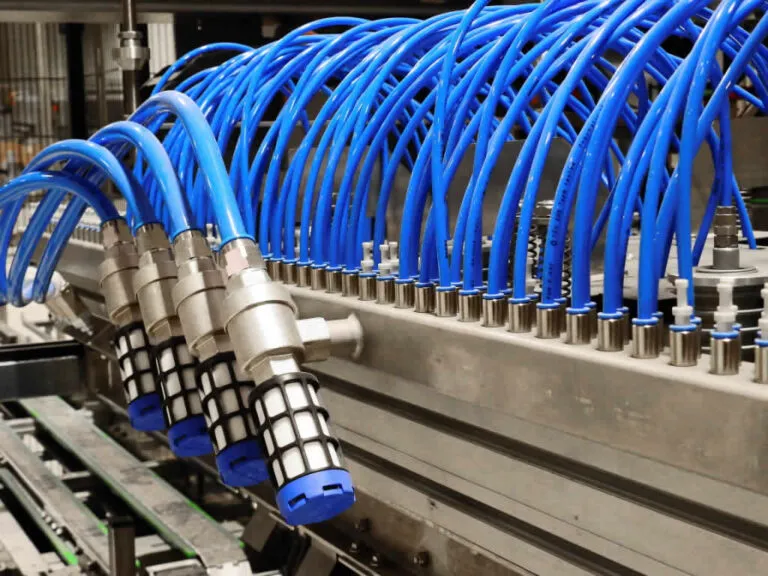
The correct configuration of your compressed air system is also essential. To ensure that it is adequate, it is necessary to use a pressure regulator so that your pump receives the correct air pressure, according to the manufacturer's specifications.
Excess pressure can cause damage to the pump diaphragms and other components, while insufficient pressure impacts its performance. Installing an air filter can also help remove contaminants and extend the life of your equipment.
Preventive maintenance
Although it is an efficient pump that is easy to maintain, preventative maintenance of the pneumatic diaphragm pump can ensure that it works efficiently and prevents incidents and failures. You need to regularly inspect your components to identify signs of wear or damage before they become real problems.
The main component to be checked are the diaphragms, which may show signs of wear, deformation or cracks depending on the use of the pump. It is also important to establish a cleaning routine to avoid the accumulation of residues that clog its components and affect their performance. During this cleaning, it is necessary to use cleaning products compatible with the operation and follow the manufacturer's recommendations to keep your pump intact and functional.
Troubleshooting
Although it is a versatile and robust piece of equipment, there are some problems that may arise that impact the functioning of your pneumatic diaphragm pump. For this reason, routine inspection can help identify and resolve these issues to reduce downtime and maintenance costs.
An example of this are air leaks that can impair the efficiency and cause failures in the operation of your pump. To resolve this problem, it is necessary to check the compressed air connections and replace components or seals that could cause leaks.
Another common problem is a reduction in pressure flow, which can be triggered by component obstructions. To do this, it is necessary to disassemble the pump and carry out adequate cleaning, as a way of restoring its performance and obtaining its full efficiency.
Choice of material
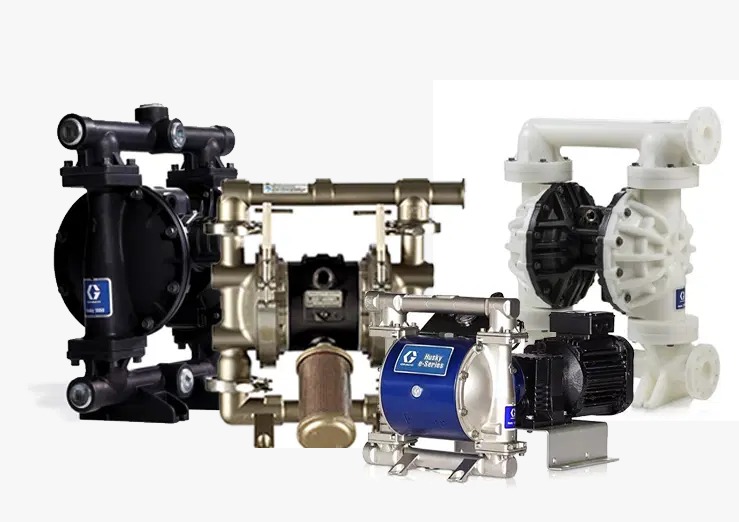
There are several types of pneumatic diaphragm pumps on the market made of different materials, depending on the type of fluid that will be pumped. For this reason, the Choice of materials is essential to guarantee its durability.
Different types of materials offer different types of chemical and mechanical resistance, such as pumps with PTFE diaphragms. These diaphragms are very resistant to harsh chemicals, while the nitrile diaphragm is more suitable for general applications.
Update and training
New innovations are constantly being developed in pump components, designed to improve performance and efficiency. To ensure that equipment continues to deliver functionality and availability, it is essential to stay up to date with these new technologies and improvements that can optimize energy efficiency, reduce the need for maintenance and increase equipment durability.
It is also very important to establish adequate training for operators and technicians who are responsible for operating and maintaining the pump. These training programs can help improve pneumatic diaphragm pump operating, troubleshooting, and maintenance practices. The more trained your operators are, the easier it will be to identify problems and determine increasingly assertive solutions in the day-to-day running of your industry.
A maintenance and proper use of your pneumatic diaphragm pump can make all the difference in its useful life and productivity in your industry. With best practices you can ensure that your equipment works more efficiently and reliably, minimizing costs and extending its useful life.
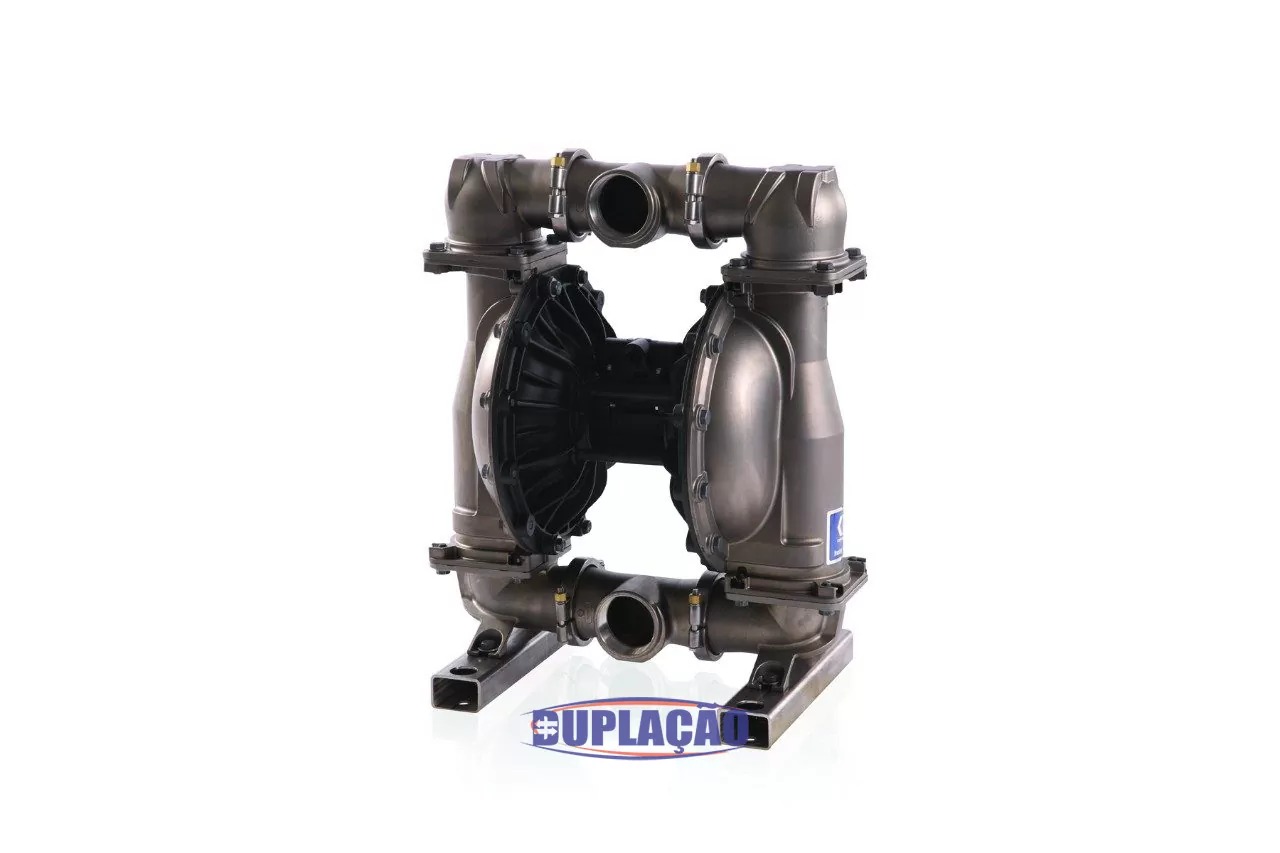
Get to knowa DOUBLE DIAPHRAGM PNEUMATIC PUMPS – HUSKY 3300 – GRACO