Pneumatic diaphragm pumps are very versatile equipment that can be implemented in different industrial sectors. Being able to operate from the transfer of fluids with high viscosity to agrochemicals, these pumps have a functional and simple design, being in fact very efficient and usable. However, like any team they can also present some problems
The good news is that pneumatic diaphragm pumps can be separated more easily, reducing downtime and avoiding the impact on productivity in your industry. To help you, we have separated the main problems that can affect this equipment and ways to resolve them.
Common problems of the diaphragm pneumatic pump
To ensure that your team is able to operate and maximize the life of the equipment today, it is very important to know what the most common problems are and how to resolve them. See below the main ones that could affect your bomba:
Diaphragm breakage
The diaphragm is one of the most important parts of the pneumatic diaphragm pump, and is also subject to damage due to the mechanical, thermal and chemical stresses to which it is subjected. Depending on the material, the diaphragm may have different resistance to the fluid being pumped, being subject to damage and wear.
Solution: First of all, it is essential to understand what may be affecting the durability of your pump's diaphragm. The first step is to use a quality diaphragm that can adequately resist the fluid being pumped and the working conditions to which it is subjected. To avoid this problem, it is necessary to adjust the working pressure and carry out a preventive maintenance to identify wear or damage that could affect this structure. In the event of deterioration or rupture, it is essential to immediately replace the component.
Leaks
Os pneumatic diaphragm pump leaks They are generally related to joint defects. These leaks end up reducing performance, impacting the efficiency of your pump, contributing to liquid waste and even more serious problems when pumping abrasive or dangerous fluids.
Solution: both when installing and maintaining your pump, it is essential to ensure that all joints are tightened according to the equipment specifications. This way you can guarantee an airtight seal and avoid leaks that are so harmful to the industry. In the case of worn or damaged gaskets, the components must be replaced.
air pressure
Both air pressure and line size are fundamental aspects for the proper functioning of your pneumatic diaphragm pump. If the pressure is not sufficient, your pump may suffer a loss in performance, with a lower flow rate. Excessive pressure ends up damaging diaphragms and other components, reducing the useful life and productivity of the equipment.
Solution: Check the air line size and proper pressure for your pneumatic diaphragm pump. By establishing adequate airflow, you can avoid restrictions and ensure the pump delivers the productivity you need.
Freezing
Pumps that operate at high temperatures can end up freezing due to fluid compression and friction. This problem is even more common in places with low atmospheric temperatures or very humid conditions, causing the membrane to freeze and suffer a drop in performance.
Solution: if you identify the presence of ice in the muffler or a drop in performance, you need to check whether your pump is suffering from freezing. This freezing occurs when the ambient temperature drops below the freezing point of the fluid being pumped, causing the water present in the system to form ice. To avoid this problem, it is necessary to reduce the air pressure entering the pump to avoid overheating. It is also necessary, in some cases, to increase the size of your pump to ensure a more adequate operating speed.
Bolt grip
It is natural for screws to loosen during operation, although this is more common in plastic pumps, this problem can affect pumps of all types mainly due to the vibration that occurs during operation. Loosening screws can encourage leaks and generate not only waste, but also accidents within the industrial environment.
Solution: preventing leaks resulting from loosening of the screws is essential. Through preventive measures, it is possible to perform periodic tightening and prevent this problem from happening to your pump. Depending on the case, it may be necessary to use reinforcement plates to provide additional support to the pump surface.
Faults on the retention valve
Check valve failures are also quite common in pneumatic diaphragm pumps. This failure can cause obstruction of the valve ball by objects or debris, causing the seal to be compromised. Fluid leak, which can impact not only the pump's results but also the productivity of your industry.
Solution: as in other cases, the solution to leaks caused by the check valve must be through a preventive approach, a filter can also be used to reduce obstruction and also carry out constant cleaning of the equipment.
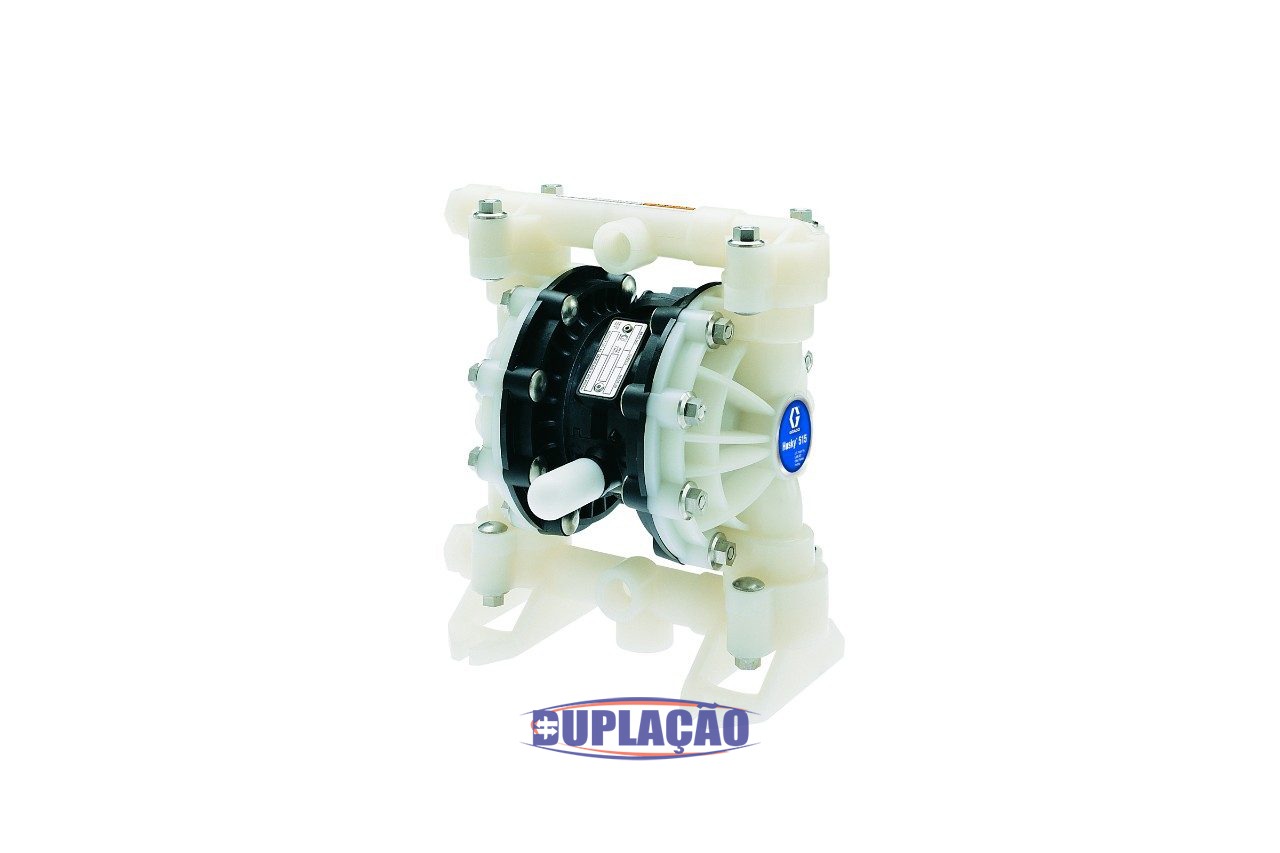
Know the Double diaphragm pneumatic pumps - Husky 515 - Graco