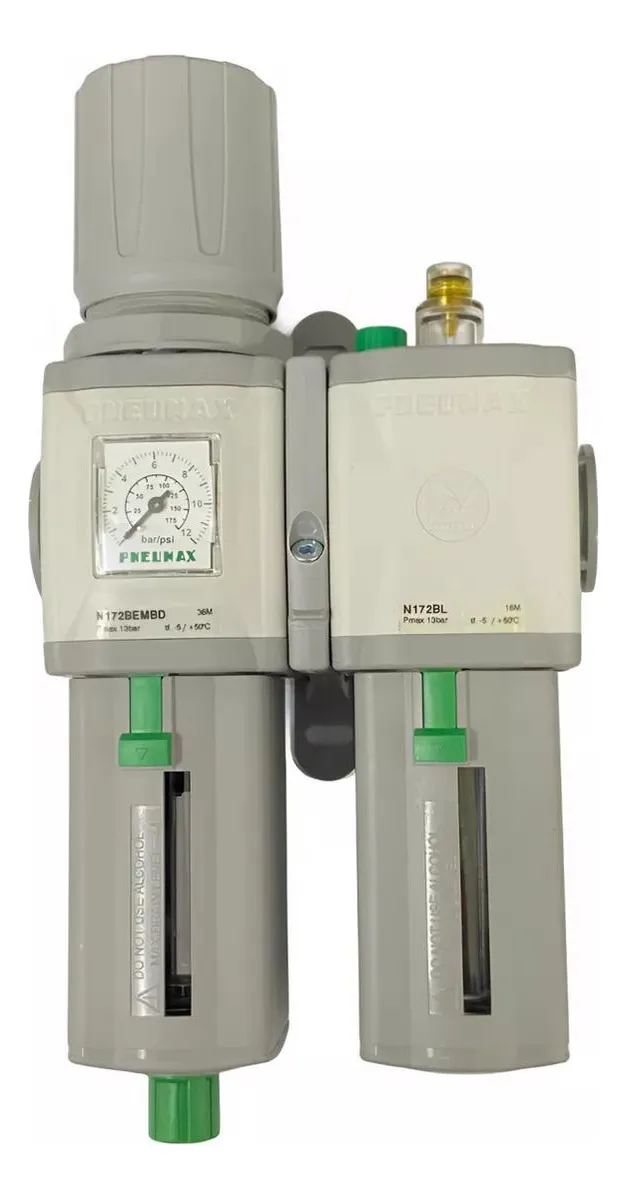
The FRL Filter is an essential device in pneumatic systems, combining filtration, pressure regulation and lubrication. It improves compressed air quality, protects equipment and reduces operating costs, making it the ideal choice for various industries.
A difference between FRL filter It is vital for those looking for efficiency in filtration systems. This filter is essential for several industrial processes, helping to remove impurities and guarantee the quality of air and fluids. Throughout this article, we will delve into what an FRL filter is, how it works and its main advantages.
What is an FRL Filter?
One FRL Filter is an essential device in pneumatic systems, designed to filter impurities from compressed air. The acronym FRL refers to Filter, Regulator and Lubricator, which are the three main functions of this equipment. The filter removes solid particles and moisture, ensuring that the air feeding the pneumatic systems is clean and dry.
How does the FRL Filter Work?
The operation of the FRL filter is quite simple. Compressed air enters the filter, where it passes through a filter element that captures dirt and water. After filtration, the air is regulated to the desired pressure and then lubricated if necessary to ensure the proper functioning of the pneumatic components.
Importance of the FRL Filter
Using an FRL filter is crucial to the longevity of pneumatic equipment. Without proper filtration, particles and moisture can cause premature wear, failures, and even irreparable damage to systems. Therefore, installing an FRL filter is a best practice on any system that uses compressed air.
Common FRL Filter Applications
FRL filters are widely used in various industries such as automotive, food and pharmaceutical. They are essential in processes that require clean, dry compressed air, such as in spray guns, pneumatic tools and automation systems. The versatility and efficiency of the FRL filter make it a popular choice among engineers and technicians.
How does the FRL Filter work?
The functioning of the FRL Filter It is essential to guarantee the quality of compressed air in pneumatic systems. This device operates in three main stages: filtration, regulation and lubrication.
Filtering
In the first stage, compressed air enters the filter, where it passes through a filter element. This element is designed to capture solid particles, such as dust and dirt, as well as remove moisture present in the air. Filtration is crucial as impurities can damage pneumatic components and affect system efficiency.
Regulation
After filtering, the air is directed to the regulator, which adjusts the compressed air pressure. Regulation is important to ensure that the pressure is within adequate levels for the operation of pneumatic equipment. This helps prevent failures and extends the life of devices connected to the system.
Lubrication
In the last step, the air can be lubricated if necessary. Lubrication is done using a lubricator that adds a fine mist of oil to the compressed air. This is essential for the smooth operation of pneumatic tools and other devices, reducing friction and wear.
In summary, the FRL filter plays a vital role in maintaining the quality of compressed air, ensuring it is clean, at the correct pressure and, when necessary, lubricated. This combination of functions helps optimize the performance and durability of pneumatic systems.
Main advantages of the FRL Filter
O FRL Filter offers several advantages that make it an essential component in pneumatic systems. Below are some of the main advantages of this device.
Improvement in Compressed Air Quality
One of the main advantages of the FRL filter is its ability to improve compressed air quality. By removing solid particles and moisture, the filter ensures that the air feeding pneumatic systems is clean, which is crucial to the efficient performance of the equipment.
Pneumatic Equipment Protection
Using an FRL filter protects pneumatic equipment from damage caused by impurities and moisture. This helps extend the life of components, reducing the need for frequent maintenance and replacement.
Reduction of Operating Costs
By protecting and improving air quality, the FRL filter contributes to reducing operating costs. Equipment that works efficiently consumes less energy and has fewer failures, resulting in long-term savings.
Ease of maintenance
FRL filters are designed to be easy to maintain. Most models allow for quick filter element replacement and system cleaning, which minimizes downtime and facilitates continuous operation of the pneumatic system.
Comparison with other filter types
When it comes to pneumatic systems, there are several types of filters available, each with its specific characteristics and applications. Below, we make a comparison between the FRL Filter and other types of commonly used filters.
Particle Filter
Particle filters are designed to remove solids from compressed air. While they are effective at capturing dirt and dust, they do not offer the pressure regulation and lubrication functions that the FRL filter provides. Therefore, in applications where air quality and lubrication are essential, the FRL filter is the best choice.
Moisture Filter
Moisture filters are specifically designed to remove moisture from compressed air. Although they are effective, they do not include pressure regulation or lubrication. The FRL filter combines all these functions, making it more versatile and efficient in pneumatic systems.
Coalescing filter
Coalescing filters are used to remove water and suspended particles from compressed air. They are effective, but like moisture filters, they do not offer pressure regulation. The FRL filter, on the other hand, offers a complete solution, ensuring the air is clean, dry and at the correct pressure.
Advantages of the FRL Filter
Compared to other types of filters, the FRL filter stands out for its ability to integrate filtration, regulation and lubrication in a single device. This not only simplifies installation and maintenance, but also improves the overall efficiency of the pneumatic system.
Final Thoughts on the FRL Filter
The FRL Filter is a complete and efficient solution for pneumatic systems, combining filtration, regulation and lubrication in a single device. Its ability to improve the quality of compressed air and protect equipment is essential for the proper functioning of industrial processes.
When comparing the FRL filter with other types of filters, it is clear that it offers significant advantages, such as reduced operating costs and ease of maintenance. Therefore, when choosing a filter for your pneumatic system, the FRL Filter should be considered one of the best options available.
Investing in an FRL filter guarantees the efficiency and durability of your equipment, contributing to the success of your business.
FAQ – Frequently asked questions about the FRL Filter
What is an FRL Filter?
An FRL Filter is a device that combines filtration, pressure regulation and lubrication in pneumatic systems, ensuring the quality of compressed air.
What are the main advantages of the FRL Filter?
The main advantages include improved air quality, equipment protection, reduced operating costs and ease of maintenance.
How does the FRL Filter compare to other types of filters?
The FRL Filter stands out for integrating multiple functions into a single device, while other filters may only focus on filtration or moisture removal.
Where is the FRL Filter commonly used?
The FRL Filter is widely used in industries such as automotive, food and pharmaceuticals, where the quality of compressed air is crucial.
How important is FRL Filter maintenance?
A manutenção regular do Filtro FRL é importante para garantir seu funcionamento eficiente, prolongar a vida útil dos equipamentos e evitar falhas no sistema.
How can I choose the right FRL Filter for my system?
To choose the appropriate FRL Filter, consider the specifications of your pneumatic system, including operating pressure and the type of applications you use.