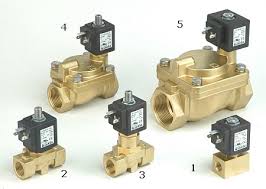
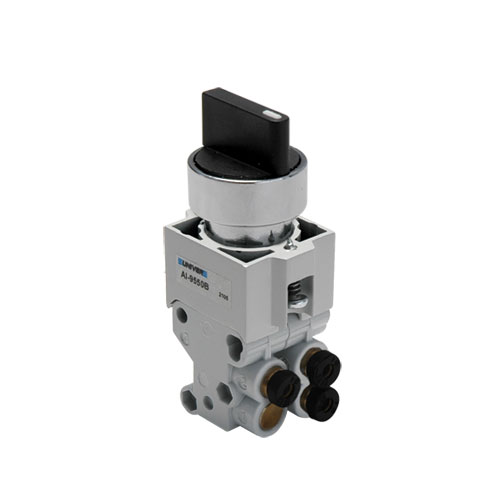
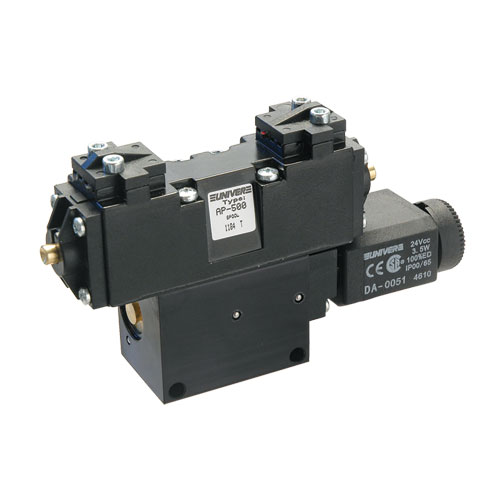
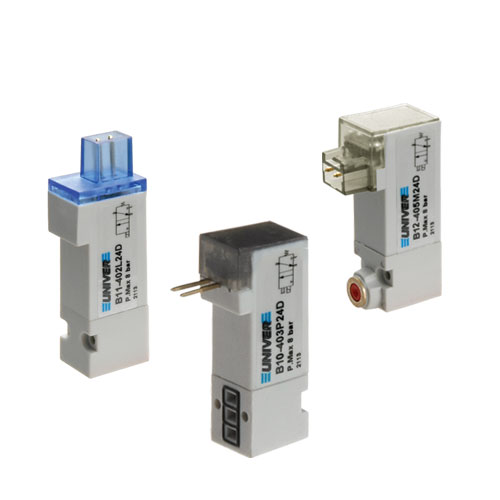
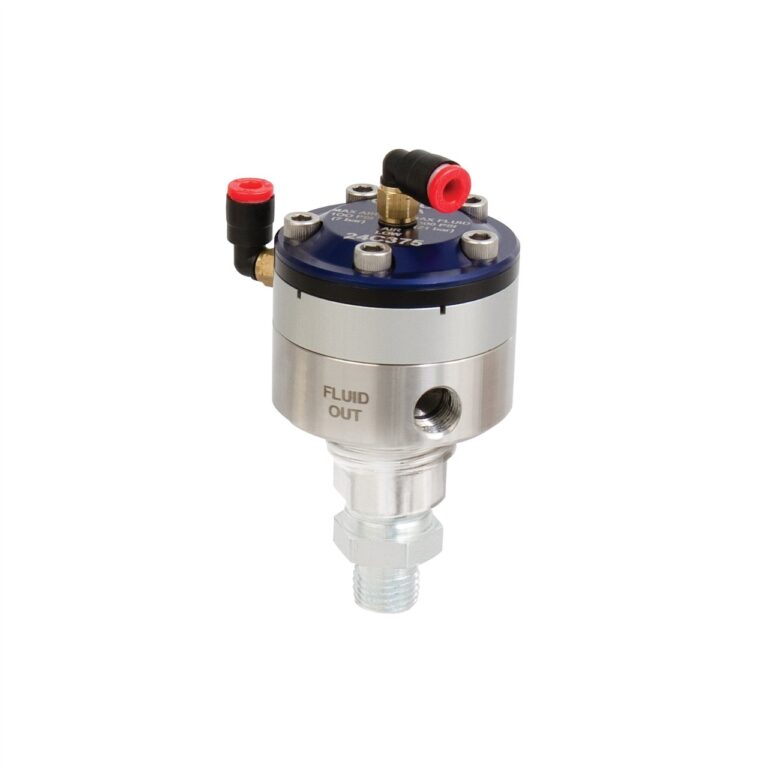
The 3/2-way solenoid valve is a common type of solenoid valve used in pneumatic and hydraulic systems to control the flow of fluids, such as compressed air or liquids. The “3/2” refers to the number of input and output ports that the valve has and the number of positions in which it can operate.
Here is an explanation of how a 3/2 way solenoid valve works:
1) Port design: A 3/2-way solenoid valve has three connection ports, denoted as P (inlet), A (outlet) and R (exhaust). It also has two possible positions: a “normally closed” (NC) position and a “normally open” (NA) position.
2) Normally closed (NC) operation: In the normally closed position, the inlet port (P) is connected to the exhaust port (R), while the outlet port (A) is blocked. This means that fluid flow stops when the valve is not energized.
3) Normally open operation (NO): In the normally open position, the inlet port (P) is connected to the outlet port (A), while the exhaust port (R) is blocked. This allows fluid to flow from inlet to outlet when the valve is not energized.
4) Solenoid actuation: A solenoid coil is located inside the valve. When the coil is energized by an electric current, it creates a magnetic field that attracts a moving core, changing the position of the valve.
5) Position change: When energizing the solenoid coil, the movable core is attracted into the coil, moving the valve mechanism to the opposite position. This changes the connection between the inlet, outlet and exhaust ports, thus changing the flow of fluid through the valve.
In summary, a 3/2-way solenoid valve is a versatile device that allows you to control fluid flow in pneumatic and hydraulic systems by activating and deactivating a solenoid coil, thus changing the position of the valve and the connection between the inlet, outlet and exhaust ports.
Find out more about her in the video below: