Pneumatic automation uses compressed air to control industrial processes, offering advantages such as efficiency, safety and flexibility. With applications in various industries, its future is promising, integrating with Industry 4.0 and focusing on sustainability and technological innovation.
As technological trends in pneumatic automation They are shaping the future of industries, providing greater efficiency and cost reduction. In this article, we will explore the main innovations that are revolutionizing the sector, from implementation on production lines to the competitive advantages that can be achieved through efficient automation.
What is pneumatic automation?
A pneumatic automation refers to the use of compressed air to control and operate industrial machines and processes. This technology is widely used in various industries due to its efficiency and reliability. Pneumatic systems are made up of compressors, valves, actuators and pipes that work together to move and control equipment.
Main Components of Pneumatic Automation
The main components of a pneumatic automation system include:
- Compressors: Equipment that generates compressed air, essential for the system to function.
- Valves: Devices that control air flow, allowing activation and deactivation of actuators.
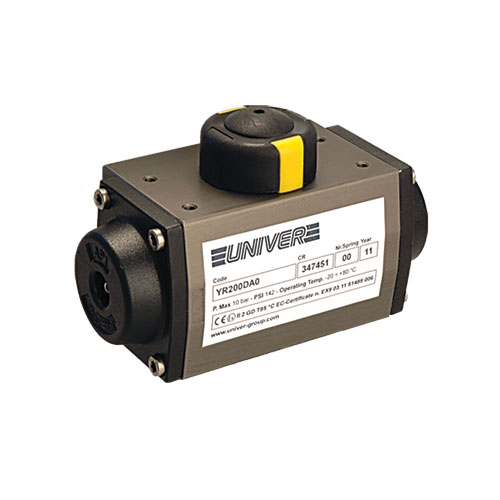
- Actuators: Mechanisms that convert the energy of compressed air into movement, performing tasks such as pushing, pulling or turning.
Advantages of Pneumatic Automation
Pneumatic automation offers several advantages, such as:
- Efficiency: Pneumatic systems can operate quickly, increasing productivity.
- Security: Using compressed air reduces the risk of fires and explosions compared to electrical systems.
- Maintenance: Pneumatic systems generally require less maintenance as they have fewer moving parts compared to hydraulic systems.
Understanding what pneumatic automation is and its components is essential to make the most of this technology in industrial processes.
Advantages of pneumatic automation technologies
As pneumatic automation technologies offer several advantages that can transform the operation of industries and production processes. Below, we highlight some of the key advantages that make this technology a popular choice among manufacturers.
1. Energy Efficiency
Pneumatic systems are known for their energy efficiency. They use compressed air, which can be generated economically and stored for later use, reducing energy waste.
2. Flexibility
Pneumatic automation is highly flexible, allowing companies to quickly adjust their operations. This is especially useful in production environments where demands can change quickly.
3. Security
Pneumatic systems are safer compared to electrical systems as they do not pose a fire risk. Additionally, compressed air is inert, meaning it does not pose a hazard in environments where leaks can occur.
4. Low Maintenance
Pneumatic systems generally require less maintenance than other automation systems, such as hydraulics. This is due to the fact that they have fewer moving parts and are less susceptible to failure.
These advantages make pneumatic automation an attractive solution for many industries, allowing companies to increase their productivity and reduce operating costs.
Current applications of pneumatic automation
A pneumatic automation It is widely used in various industries, offering efficient solutions for a variety of applications. Below, we present some of the main current applications of this technology.
1. Automotive Industry
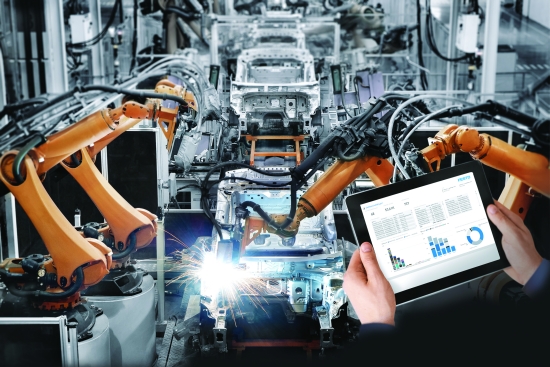
In the automotive sector, pneumatic automation is used in assembly lines to move parts, perform quality tests and operate pneumatic tools. This increases efficiency and precision in vehicle production.
2. Food Industry
Pneumatic automation is crucial in the food industry for product handling, packaging and process control. Pneumatic systems ensure that products are handled safely and hygienically.
3. Pharmaceutical Industry
In the pharmaceutical industry, pneumatic automation is used for vial filling, labeling and packaging of medicines. The precision and reliability of pneumatic systems are essential to meet rigorous quality standards.
4. General Manufacturing
In general manufacturing environments, pneumatic automation is applied to processes such as assembly, packaging and material transportation. The flexibility of pneumatic systems allows companies to quickly adapt their operations to market demands.
These applications demonstrate how pneumatic automation is a versatile and effective solution, contributing to efficiency and safety in various industrial sectors.
Future of pneumatic automation
O future of pneumatic automation is promising, with technological innovations that are shaping the way industries operate. Below, we explore some trends that are expected to impact the development of this technology in the coming years.
1. Integration with Industry 4.0
Pneumatic automation is increasingly integrating with Industry 4.0 concepts. This means that pneumatic systems will be connected to smart networks, enabling real-time monitoring and process optimization through data.
2. Sustainability
With growing concerns about sustainability, pneumatic automation is evolving to become more efficient in terms of energy and resource consumption. Technologies that use compressed air more efficiently are being developed to reduce environmental impact.
3. Advances in Sensors and Control
The use of advanced sensors and intelligent control systems will allow pneumatic systems to become more precise and responsive. This will result in greater efficiency and reduced operational errors, improving the quality of the final product.
4. Automation and Collaborative Robotics
Collaboration between robots and pneumatic systems is becoming a reality. Collaborative automation will allow machines and humans to work together more safely and efficiently, increasing productivity on production lines.
These trends indicate that pneumatic automation will not only continue to be a fundamental part of the industry, but will also adapt and evolve to meet new market demands.
The Future of Pneumatic Automation
Pneumatic automation is becoming increasingly essential in modern industries. With its advantages in efficiency, security and flexibility, this technology continues to evolve.
Innovations, such as integration with Industry 4.0 and the focus on sustainability, show that the future is promising. Furthermore, collaboration between robots and pneumatic systems promises to increase productivity and process quality.
Therefore, investing in pneumatic automation is a smart decision for companies that want to remain competitive and innovative in the market.
FAQ – Frequently asked questions about pneumatic automation
What are the main advantages of pneumatic automation?
Key advantages include energy efficiency, flexibility, safety and low maintenance, making it a popular choice in the industry.
In which industries is pneumatic automation most used?
Pneumatic automation is widely used in the automotive, food, pharmaceutical and general manufacturing industries.
How does pneumatic automation integrate with Industry 4.0?
It integrates through the use of smart networks, allowing real-time monitoring and data-based process optimization.
What are the future trends in pneumatic automation?
Trends include greater sustainability, advances in sensors and control, and collaboration between robots and pneumatic systems.
Is pneumatic automation safe for industrial environments?
Yes, pneumatic automation is considered safe, as it uses compressed air, which does not present a fire risk and is inert.
How can I implement pneumatic automation in my company?
Start by assessing your needs, identify areas that could benefit, and consider piloting projects to test the effectiveness of solutions.