Diaphragm pumps are ideal for pumping abrasive fluids, offering wear resistance, leak prevention and ease of maintenance. Following good usage practices and carrying out regular maintenance guarantee efficiency and extend the useful life of this equipment in various industries.
As diaphragm pumps for abrasive fluids are fundamental for the efficient movement of liquids in various industrial sectors. However, to maximize its efficiency and extend its lifespan, it is vital to follow some good practices during its operation and maintenance. In this article, we will explore what these pumps are, their advantages and valuable tips to ensure their optimal functioning.
What are diaphragm pumps?
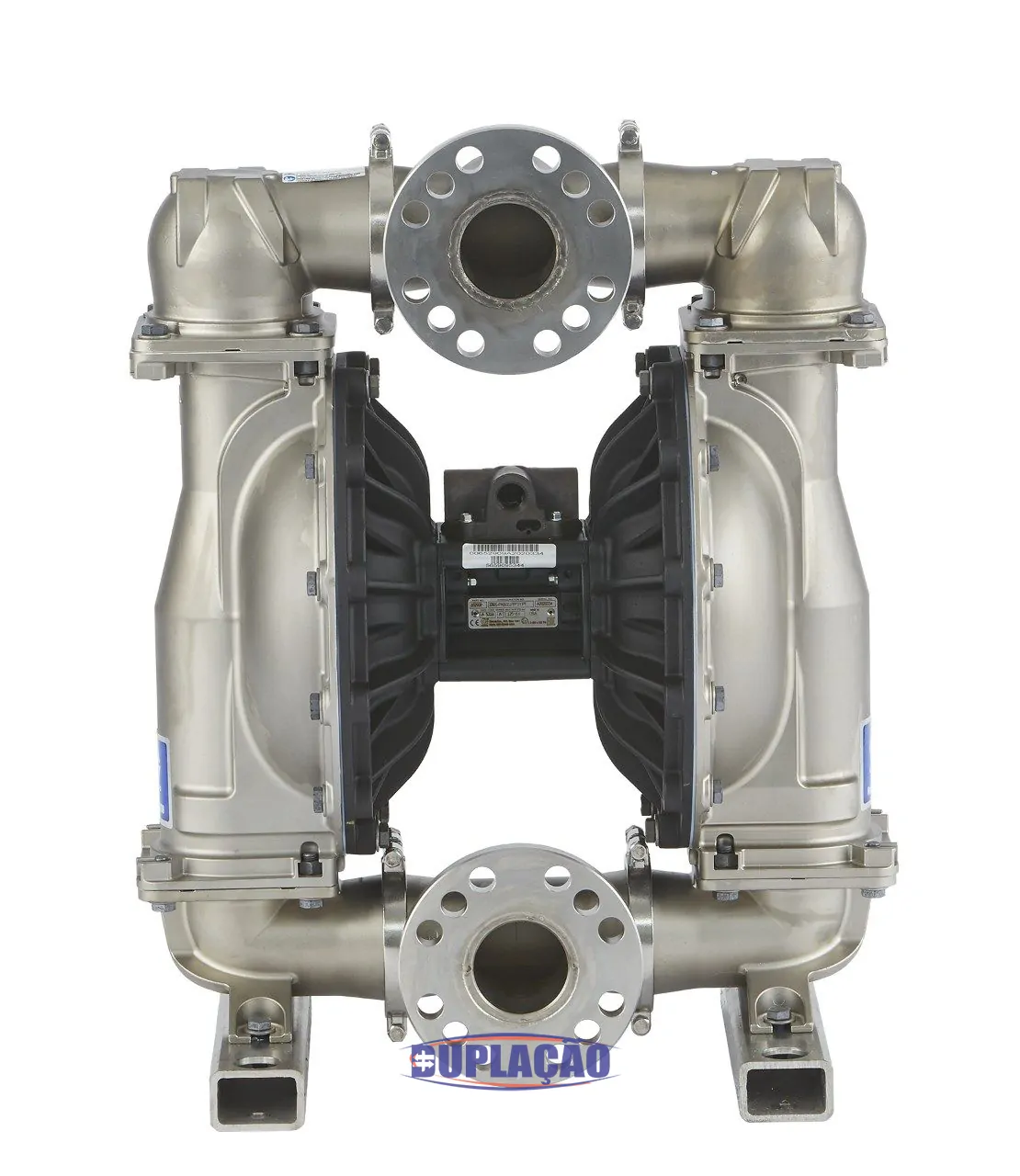
As diaphragm pumps are devices used to pump liquids and gases, being especially effective in applications involving abrasive fluids. They work through a flexible diaphragm that moves back and forth, creating a pumping action. This mechanism allows diaphragm pumps to be highly efficient and reliable, even in challenging conditions.
These pumps are widely used in industries such as chemical, pharmaceutical and food, where fluid movement is critical. One of the main advantages of diaphragm pumps is their ability to handle fluids containing solids or particles, which makes them ideal for applications that require strength and durability.
Additionally, diaphragm pumps are designed to prevent leaks, which is crucial in environments where contamination is a concern. They can be driven by compressed air or electricity, offering flexibility in their application.
Advantages of diaphragm pumps for abrasive fluids
As diaphragm pumps offer several advantages when used to pump abrasive fluids. One of the main advantages is its ability to handle liquids containing solid particles without compromising pumping efficiency. This makes them ideal for industries that work with corrosive or abrasive materials.
Another significant advantage is the Prevention of leaks. Diaphragm pumps are designed to minimize the risk of contamination while maintaining the integrity of the pumped fluid. This is crucial in applications where product purity is essential, such as in the pharmaceutical and food industries.
Furthermore, diaphragm pumps are easy to maintain and can be repaired quickly, which reduces downtime. Its robust and durable construction guarantees a long service life, even in harsh operating conditions.
These pumps are also versatile and can be driven by compressed air or electricity, allowing them to be used in a wide range of applications. Flexibility in activation is a feature that adds value, as it adapts to the specific needs of each operation.
Good practices in the use of diaphragm pumps
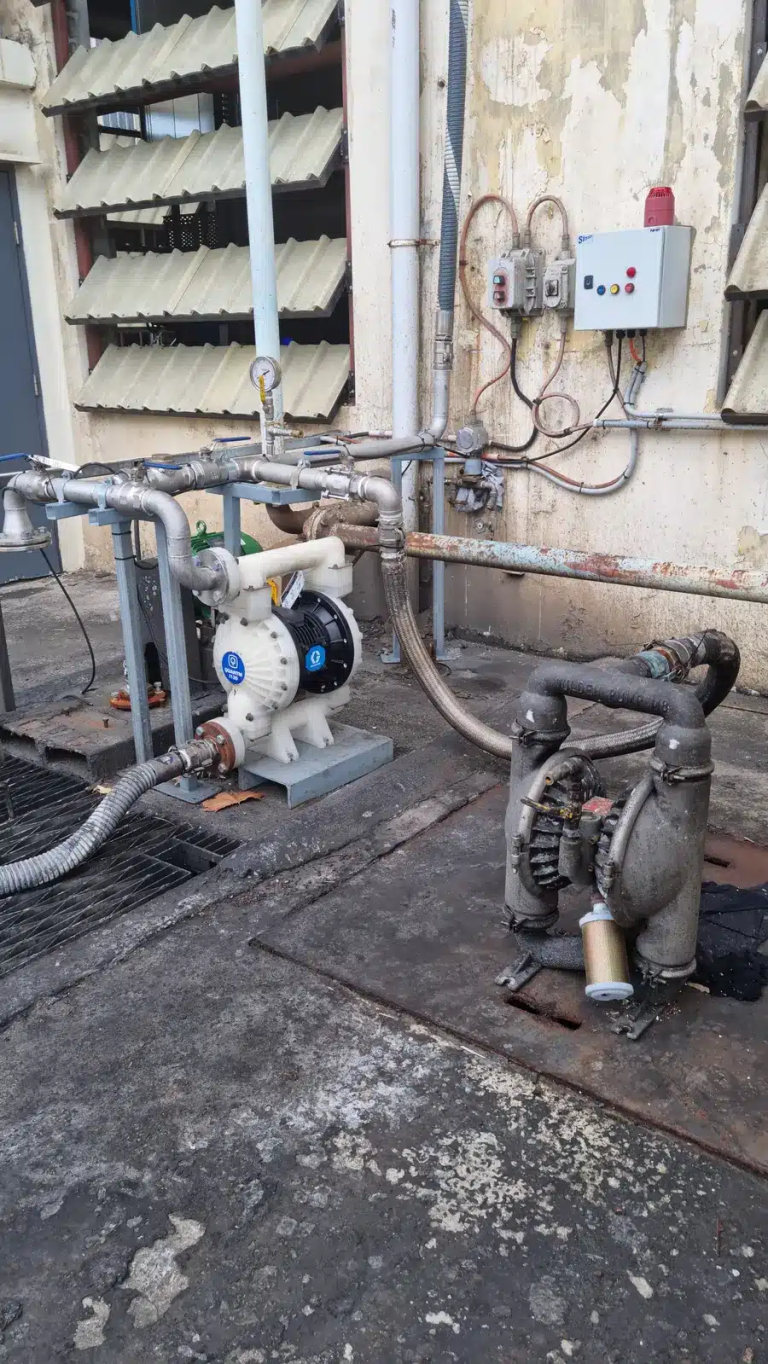
To ensure optimal performance of diaphragm pumps, it is essential to follow some good practices during its use. Firstly, it is important to carry out a proper installation. Make sure all connections are secure and that the bomba is positioned correctly to avoid excessive vibrations.
Another crucial aspect is the regular maintenance. Frequently inspect parts such as diaphragms and valves for signs of wear or damage. Replacement of worn components must be done immediately to avoid system failures.
Furthermore, it is essential to operate the pump within the recommended limits of pressure and temperature. Exceeding these limits may result in damage to the pump and compromise its efficiency. Always consult the manufacturer's manual for specific guidance.
Finally, keep a record of the operations and maintenance carried out. This helps monitor pump performance and identify patterns that may indicate the need for adjustments or interventions.
Maintenance and care of diaphragm pumps
A maintenance adequate of diaphragm pumps It is essential to ensure its efficient operation and extend its useful life. One of the first steps is to carry out regular inspections. Check diaphragms and valves for signs of wear, as these components are critical to pump performance.
In addition, it is important to clean the pump periodically. Dirt and debris can affect efficiency and cause failure. Use appropriate cleaning products and follow the manufacturer's recommendations to avoid damage.
Another aspect to be considered is the lubrication of moving parts. Lack of lubrication can lead to increased friction and premature wear. Consult the manufacturer's manual to find out which lubricants are recommended and the frequency of application.
Finally, keep a detailed record of all maintenance carried out. This not only helps monitor pump performance, but also makes it easier to identify patterns that may indicate the need for future interventions.
Final Thoughts on Diaphragm Pumps
As diaphragm pumps are essential for several industries, especially when it comes to pumping abrasive fluids. By following the good practices of use and carry out proper maintenance, it is possible to guarantee efficient performance and extend the useful life of these equipment.
Understanding the advantages and precautions required to operate these pumps is critical to avoiding problems and maximizing efficiency. Therefore, companies can benefit from a reliable and long-lasting pumping system.
Therefore, investing in knowledge and correct practices is the key to successful use of diaphragm pumps.
FAQ – Frequently asked questions about diaphragm pumps for abrasive fluids
What are diaphragm pumps?
Diaphragm pumps are devices that use a flexible diaphragm to pump liquids and gases, being effective for abrasive fluids.
What are the advantages of diaphragm pumps for abrasive fluids?
They offer wear resistance, leak prevention and ease of maintenance, making them ideal for industries dealing with corrosive materials.
How can I ensure proper maintenance of a diaphragm pump?
Perform regular inspections, clean components and lubricate moving parts according to the manufacturer's recommendations.
What precautions should I take when operating a diaphragm pump?
It is important to operate within recommended pressure and temperature limits and check connections to avoid leaks and failures.
How important is it to keep maintenance records?
Keeping records helps monitor pump performance and identify patterns that may indicate the need for future intervention.
Are diaphragm pumps suitable for all industries?
Although they are versatile, diaphragm pumps are especially recommended for industries that deal with abrasive fluids, such as chemicals and pharmaceuticals.