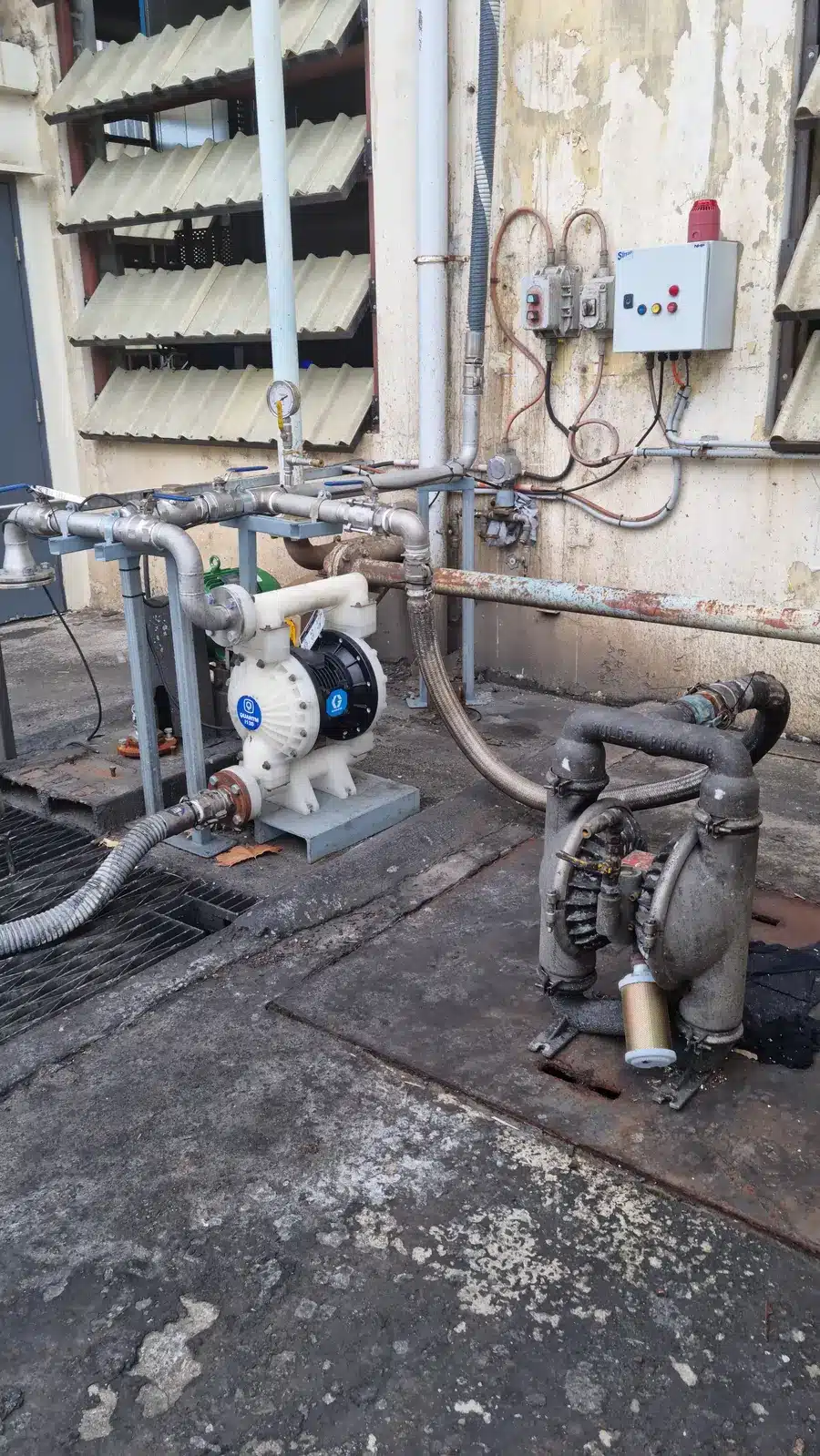
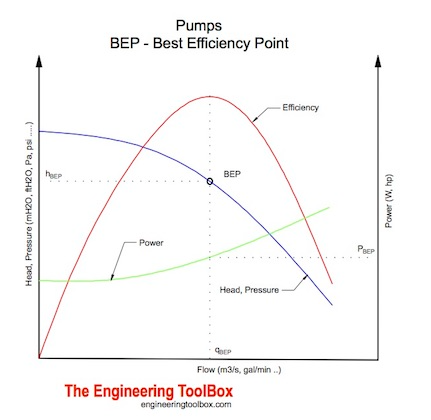
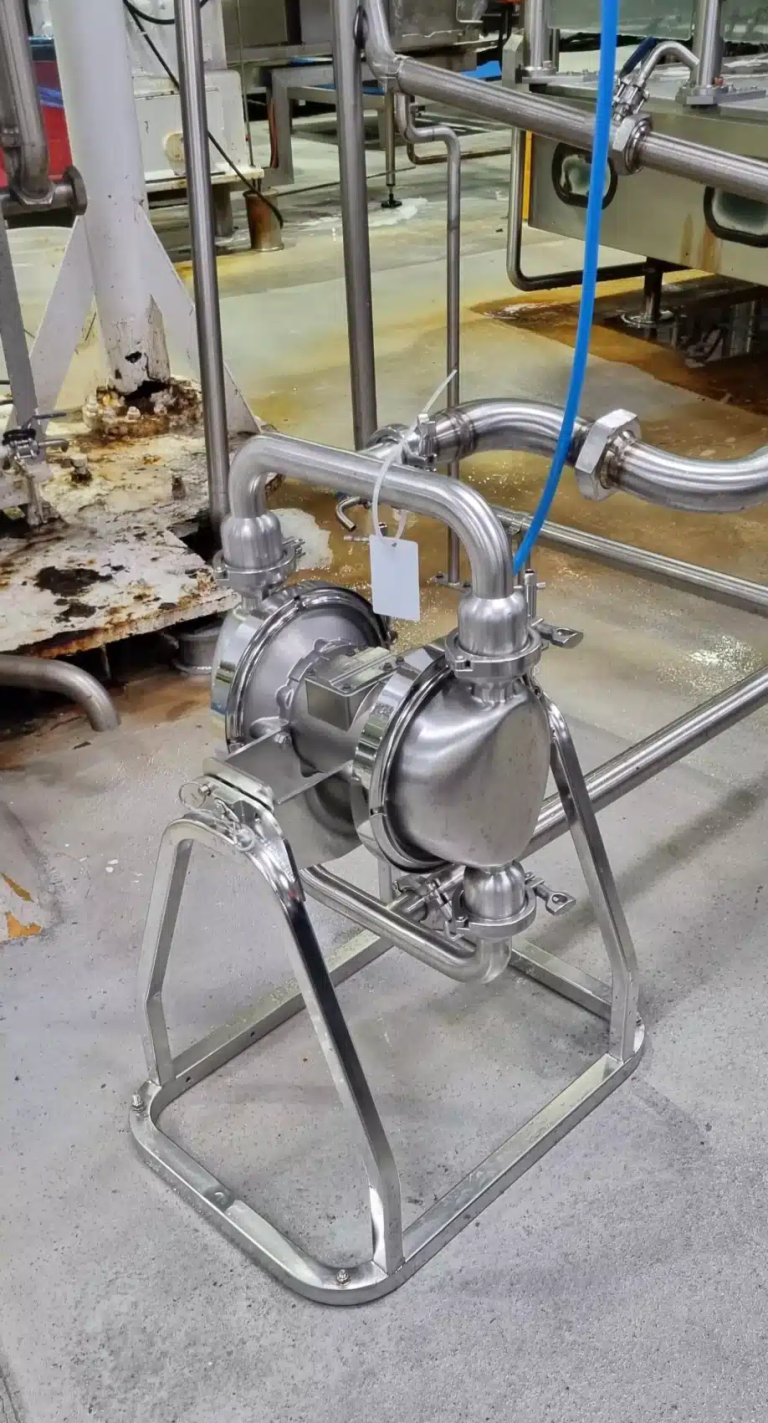
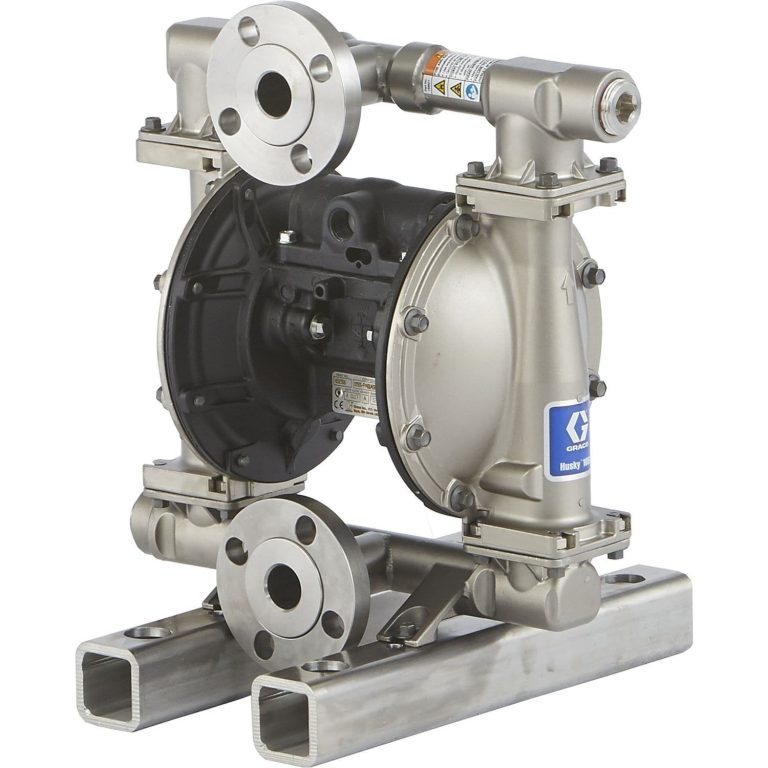
The replacement of bomba Pneumatics is essential to maintain operational efficiency. Signs such as strange noises, leaks and pressure drop indicate the need for replacement. Investing in a new pump brings advantages such as greater energy efficiency and better performance, ensuring safer and more productive operations.
Have you ever wondered when the time to replace the pneumatic pump? This is a common question among industry professionals who use this crucial equipment. In this article, we will address the signs of wear, the impact of a pump in poor condition and the advantages of replacing it at the right time.
Signs that your pneumatic pump needs to be replaced
Identify the signs that your pneumatic pump needs to be replaced is crucial to ensuring the efficiency and safety of your operation. Here are some of the key signs that indicate it's time to consider a replacement:
1. Strange Noises
If the pneumatic pump begins to make unusual noises such as knocking or humming, this could be a sign of internal wear or mechanical failure. These sounds may indicate that components are loosening or that there is excessive friction.
2. Pressure Drop
A significant drop in outlet pressure is a clear sign that the pump may not be working properly. This can affect the efficiency of the pneumatic system and lead to failures in processes that depend on constant pressure.
3. Visible Leaks
Air or fluid leaks around the pump are a clear sign that something is wrong. These leaks can result in lost efficiency and increased operating costs.
4. Increase in Energy Consumption
If you notice an increase in the pump's power consumption, this could indicate that it is struggling to function properly. A worn-out pump may require more energy to operate, which can negatively impact operating costs.
5. Frequent Maintenance
If the pump requires more frequent maintenance than usual, this could be a sign that it is approaching the end of its useful life. The constant need for repairs may indicate that a replacement is the best long-term option.
Impacts of worn pneumatic pump on operation
One worn pneumatic pump can have several negative impacts on the operation of an industrial system. It is important to understand how these effects can affect the efficiency and safety of your process.
1. Reduced Operational Efficiency
When a pneumatic pump is not operating at its optimum capacity, the system's efficiency decreases. This can result in lower-than-expected performance, affecting production and quality of the final product.
2. Increased Maintenance Costs
A worn pump often requires more frequent maintenance and repairs, which can significantly increase operating costs. These additional expenses can impact the company's budget and reduce the profit margin.
3. Production Interruptions
Pneumatic pump failures can lead to unexpected production stops. These outages not only delay product delivery, but can also cause financial losses and damage a company's reputation.
4. Risk of Accidents
A pump in poor condition can pose a safety risk to operators and the working environment. Air or fluid leaks can cause accidents, requiring immediate attention and potentially resulting in injury.
5. Impact on Product Quality
A worn pneumatic pump can affect the consistency and quality of the final product. This can lead to rework and waste, impacting customer satisfaction and market competitiveness.
When is the best time to change the pneumatic pump?
Determine when is the best time to change the pneumatic pump It is essential to maintain the efficiency and security of your system. Here are some factors to consider:
1. Scheduled Maintenance Interval
If the pump is past its recommended maintenance interval, it's a sign that it may be time to consider replacement. Maintaining a maintenance schedule helps identify problems before they become critical.
2. Underperforming
If you notice that the pump is not delivering the expected performance, such as inadequate pressure or flow, this may indicate that the pump is worn out and needs to be replaced.
3. Increased Operating Costs
An increase in energy and maintenance costs can be a sign that the pump is not working efficiently. If costs increase, it may be more economical to replace the pump than to continue repairing it.
4. Visible Signs of Wear
Regularly inspect the pump for visible signs of wear, such as leaks or corrosion. If these signs are evident, it is a strong indication that the pump needs to be replaced.
5. Changing Production Needs
If there are changes in production needs that require greater capacity or efficiency, it may be the right time to invest in a new pneumatic pump that meets these demands.
Step by step to replace the pneumatic pump
Replace one pneumatic pump may seem like a challenging task, but following a step by step, you can guarantee an efficient and safe exchange. Here are the steps to follow:
1. Shutdown the System
Before starting the replacement, it is essential to turn off the pneumatic system. This ensures operator safety and prevents accidents during the changeover process.
2. Remove Old Bomb
Disconnect the hoses and electrical cables from the old pump. Use the appropriate tools to remove the screws that secure the pump to the support. Be careful not to damage the connections during removal.
3. Prepare the New Pump
Before installing the new pump, check that it is in good condition and that all necessary parts are included. Follow the manufacturer's instructions to ensure the pump is ready for installation.
4. Install the New Pump
Position the new pump in the appropriate location and secure it with the screws. Connect hoses and electrical cables, ensuring that all connections are tight and secure.
5. Test the System
After installation, turn on the system and verify that the new pump is working properly. Monitor pressure and flow to ensure everything is operating as expected. Make adjustments if necessary.
Advantages of a new pneumatic pump
Invest in a new pneumatic pump brings several advantages that can improve the efficiency and productivity of your industrial system. Here are some of the main advantages:
1. Greater Energy Efficiency
New pneumatic pumps are designed to operate more efficiently while consuming less energy. This not only reduces operating costs, but also contributes to environmental sustainability.
2. Better Performance
A new pump can offer superior performance compared to older models. This translates into greater pressure and flow, improving the efficiency of industrial processes.
3. Less Maintenance Required
New pumps generally require less maintenance, which means fewer downtimes and production interruptions. This results in smoother, more continuous operation.
4. Advanced Technology
New pneumatic pumps often incorporate advanced technologies that improve accuracy and reliability. This may include monitoring systems that help identify problems before they become critical.
5. Warranty and Support
When purchasing a new pump, you usually receive warranty and support from the manufacturer. This provides additional security and assistance in case of problems, ensuring your operation continues to run smoothly.
Final Thoughts on Pneumatic Pump Replacement
Replacing a pneumatic pump is an important decision that can impact the efficiency and safety of your operation. By identifying signs of wear, like strange noises and leaks, you can take action before bigger problems occur.
Following a step-by-step procedure for replacement ensures that the process is carried out safely and efficiently. Furthermore, investing in a new pump brings significant advantages, such as greater energy efficiency and better performance.
Therefore, pay attention to the needs of your system and do not hesitate to replace the pneumatic pump when necessary. This action can result in smoother, more productive operations, benefiting your company in the long run.
FAQ – Frequently asked questions about replacing pneumatic pumps
What are the signs that my pneumatic pump needs to be replaced?
Signs include strange noises, pressure drop, visible leaks, increased energy consumption and frequent need for maintenance.
How do I know when is the best time to change the pneumatic pump?
The best time is when the pump reaches its scheduled maintenance interval, is underperforming, or shows visible signs of wear.
What is the step-by-step procedure for replacing a pneumatic pump?
Shut down the system, remove the old pump, prepare the new pump, install it, and test the system to ensure everything is working properly.
What are the advantages of investing in a new pneumatic pump?
Advantages include greater energy efficiency, better performance, less maintenance required, advanced technology and manufacturer warranty.
Can replacing the pneumatic pump impact production?
Yes, a new pump can improve production efficiency and continuity, reducing interruptions and increasing the quality of the final product.
How can I ensure safety during pneumatic pump replacement?
Be sure to turn off the system before beginning the replacement and follow all safety guidelines and manufacturer manuals.