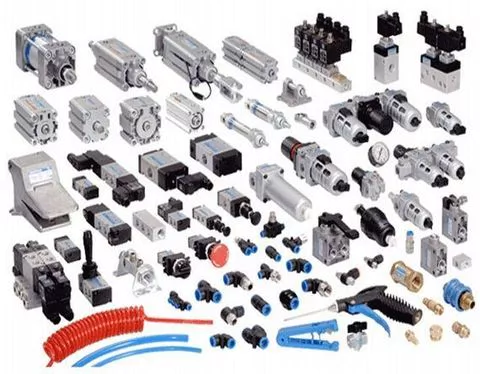
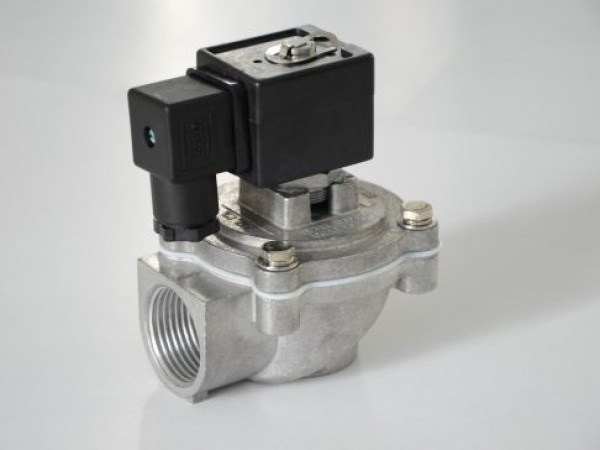
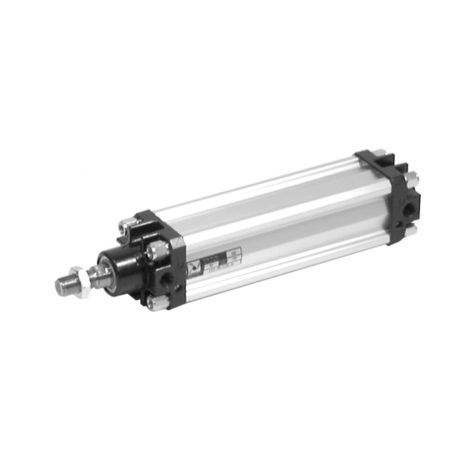
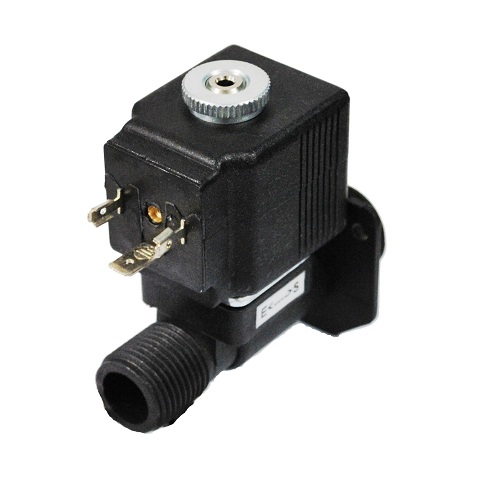
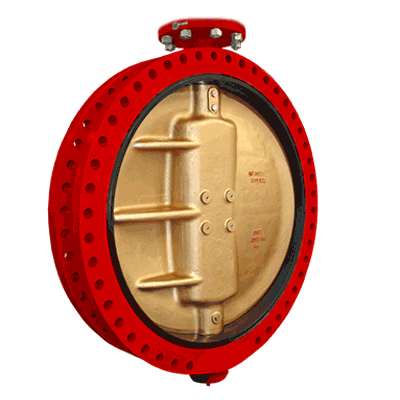
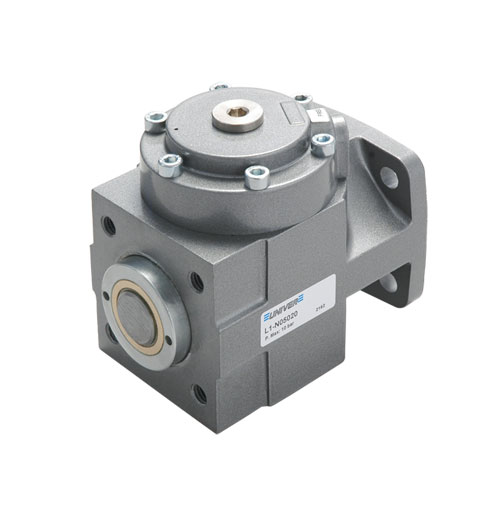
The useful life of pneumatic components can be extended through regular preventive maintenance, monitoring operating conditions and identifying signs of wear. Practices such as frequent inspections and use of air filters are essential to ensure efficiency and safety in pneumatic systems.
A service life of pneumatic components It is a determining factor for the efficiency of industrial and automation systems. Understanding the aspects that affect this durability is essential to avoid failures and excessive costs. In this article, we will discuss the factors that influence useful life, as well as offering valuable tips for prolonging it and signs that indicate the need for replacement. Take the opportunity to learn how preventative maintenance can make all the difference!
What influences the useful life of pneumatic components?
A service life of pneumatic components is influenced by several factors that can directly impact the efficiency and durability of this equipment. Understanding these factors is essential to ensure optimal performance and avoid unexpected failures.
Environmental Conditions
The conditions under which pneumatic components operate play a crucial role in their service life. Factors such as temperature, humidity and the presence of contaminants in the air can accelerate wear. For example, environments with high humidity can cause corrosion, while extreme temperatures can affect the proper functioning of materials.
Quality of Materials
The quality of the materials used to manufacture the components is also a determining factor. Components made from high-quality materials tend to have a longer lifespan. It is important to choose reliable suppliers and check the technical specifications of the products.
Regular maintenance
Regular maintenance is essential to extend the life of pneumatic components. Periodic inspections, cleaning and replacement of worn parts help prevent failures and keep the system running efficiently. A preventive maintenance plan can be a great ally in this process.
Pressure and Workload
Another important aspect is the pressure and workload that the components support. Operating equipment above recommended specifications can lead to accelerated wear. It is essential to follow the manufacturer's guidelines to ensure components are used within their capabilities.
Tips for extending the life of pneumatic components
Extend to service life of pneumatic components It is essential to ensure the efficiency and reliability of systems. Here are some practical tips that can help with this process.
Perform Regular Maintenance
Regular maintenance is critical to identifying and fixing problems before they become serious. Inspect components frequently, check for leaks, and clean parts that may accumulate dirt or contaminants.
Use Air Filters
Installing quality air filters is an effective way to protect pneumatic components. They help remove particles and moisture from compressed air, preventing damage and premature wear.
Monitor Operating Pressure
Maintaining operating pressure within the manufacturer's recommended specifications is crucial. Excessive pressures can cause stress on components, while too low pressures can result in improper operation.
Train the Team
Training the team that operates and maintains pneumatic systems is vital. Good training ensures that everyone understands best practices and knows how to identify signs of wear or failure.
Signs that pneumatic components need to be replaced
Identify the signs that pneumatic components need to be replaced is crucial to maintaining system efficiency and avoiding failures. Here are some important indicators to watch out for.
Visible Leaks
One of the most obvious signs that a pneumatic component needs to be replaced is the presence of leaks. If you notice air or fluid escaping from connections or gaskets, it may indicate wear or damage that requires immediate replacement.
Abnormal Noises
Unusual noises, such as popping or squeaking, may be a sign that components are wearing out. These sounds can indicate internal problems that, if left untreated, can lead to more serious failures.
Irregular Performance
If components are not working consistently, this could be a sign that they need to be replaced. Uneven performance may manifest as fluctuations in pressure or operating speed.
Excess Vibration
Excessive vibrations during operation may indicate that a component is out of balance or damaged. This can lead to accelerated wear and, eventually, the need for replacement.
Importance of preventive maintenance on pneumatic components
A preventive maintenance on pneumatic components It is essential to guarantee the efficiency and durability of systems. Implementing a regular maintenance program can prevent unexpected failures and reduce operating costs.
Reduction of Unplanned Stops
One of the main advantages of preventive maintenance is the reduction in unplanned downtime. By carrying out regular inspections and maintenance, you can identify and correct problems before they cause failures, ensuring systems operate continuously.
Increased Component Life
Preventative maintenance helps extend the life of pneumatic components. By keeping equipment in good condition, you reduce wear and tear and the need for frequent replacements, resulting in long-term savings.
Improvement in Operational Efficiency
With preventative maintenance, pneumatic systems function more efficiently. This means energy is used more effectively, resulting in lower consumption and reduced operating costs.
Increased Security
Regular maintenance also contributes to safety in the workplace. Well-maintained equipment is less prone to failures that can cause accidents, ensuring a safer environment for operators.
Importance of Maintenance and Care of Pneumatic Components
Keeping pneumatic components in good condition is essential to ensure the efficiency and safety of the systems. Preventive maintenance, identifying signs of wear and adopting good operational practices are essential to extend the useful life of this equipment.
By following the tips presented, such as carrying out regular inspections and using air filters, you can avoid failures and reduce operating costs. Attention to detail and a commitment to maintenance not only improves performance, but also ensures a safer working environment.
Therefore, investing in the maintenance and proper care of pneumatic components is a smart strategy for any industrial operation.
FAQ – Frequently asked questions about service life and maintenance of pneumatic components
What are the signs that a pneumatic component needs to be replaced?
Signs include visible leaks, abnormal noises, uneven performance, and excessive vibration.
How can preventative maintenance help the useful life of pneumatic components?
Preventative maintenance reduces unplanned downtime, increases component life and improves operational efficiency.
What practices can I adopt to extend the useful life of pneumatic components?
Performing regular maintenance, using air filters, monitoring operating pressure and training staff are effective practices.
Why is it important to monitor the environmental conditions of pneumatic components?
Conditions such as temperature and humidity can affect the performance and durability of components, causing accelerated wear.
How to identify whether maintenance is being carried out correctly?
Regularly inspect components, check for leaks, and ensure staff are following maintenance guidelines.
What is the impact of well-maintained pneumatic components on workplace safety?
Well-maintained components are less prone to failure, which reduces the risk of accidents and ensures a safer working environment.