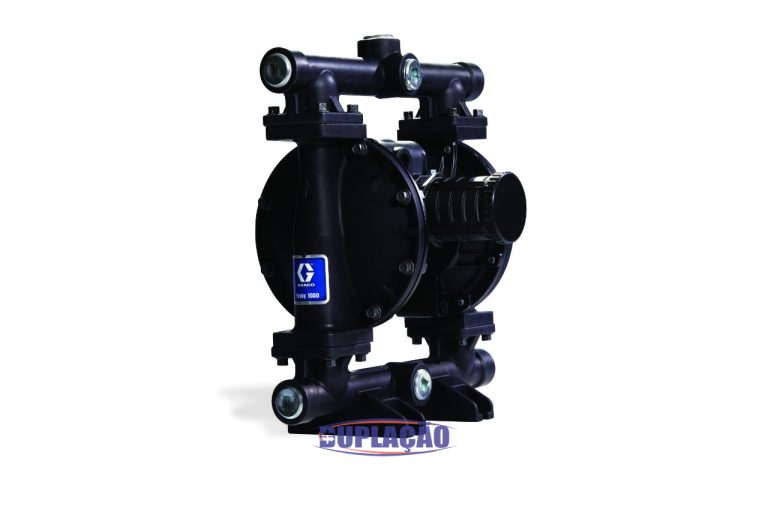
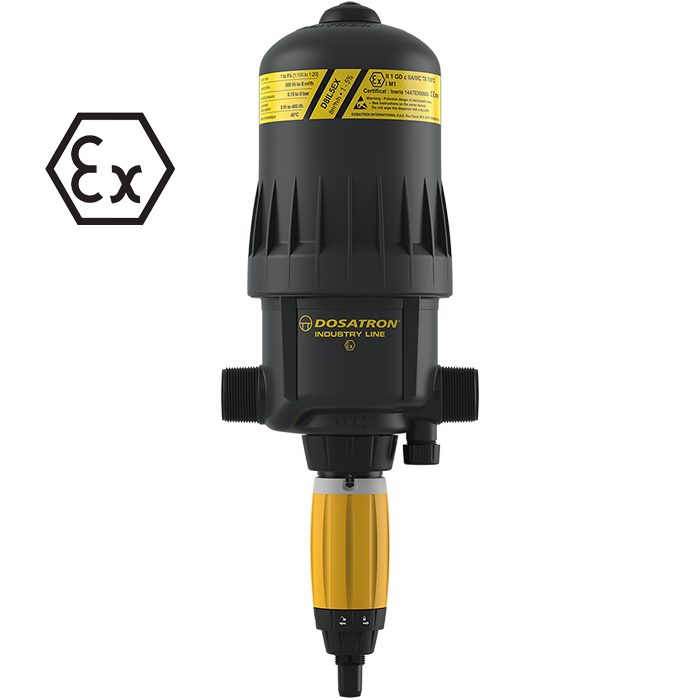
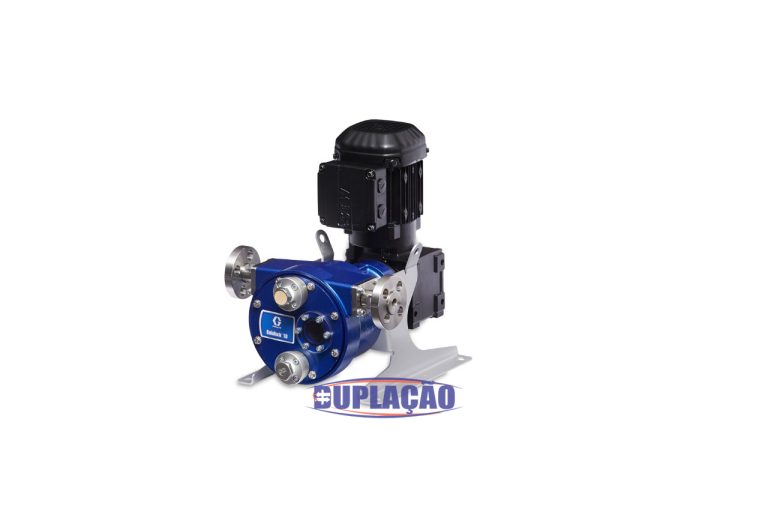
Pneumatic actuators are devices that convert compressed air into mechanical movement, offering high speed, strength and safety in various industries. They are ideal for automation, with advantages such as ease of maintenance and versatility in applications.
When we talk about **pneumatic actuators**, we immediately think about their importance in different industries, right? These devices are true invisible heroes, operating effectively in automation and control systems. Let's explore the applications of these actuators together and how they can revolutionize industrial processes!
What is a pneumatic actuator?
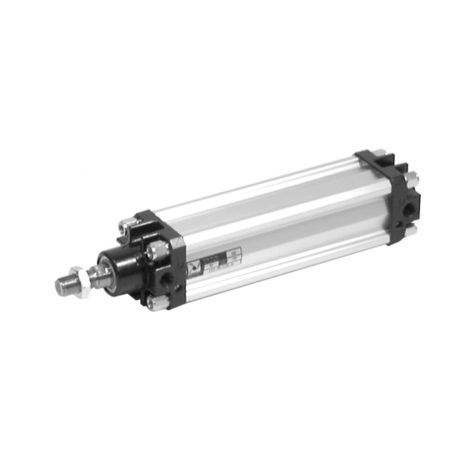
One pneumatic actuator is a device that converts energy from compressed air into mechanical movement. It is widely used in industrial automation systems to control valves, cylinders and other equipment. The basic functioning of a pneumatic actuator involves air pressure which, when released, causes the actuator to move, allowing specific tasks to be performed.
Components of a Pneumatic Actuator
The main components of a pneumatic actuator include the cylinder, piston, and air inlet and outlet connections. The cylinder is where compressed air is stored and used to move the piston, which, in turn, generates the desired movement. The connections ensure that compressed air reaches the actuator efficiently.
Types of Pneumatic Actuators
There are different types of pneumatic actuators, such as double-acting and single-acting. Double-acting actuators use compressed air in both directions to move the piston, while single-acting actuators use compressed air in only one direction, returning to the initial position using a spring.
Advantages of Pneumatic Actuators
Pneumatic actuators offer several advantages such as high operating speed, significant force and ease of control. Additionally, they are safer in environments where electricity could pose a risk, as they do not generate sparks.
Common applications
Esses dispositivos são utilizados em diversas indústrias, incluindo automotiva, farmacêutica e alimentícia, para automatizar processos como montagem, embalagem e controle de fluxo. Their versatility and efficiency make them essential in modern automation systems.
Main applications of pneumatic actuators
Os pneumatic actuators They are widely used in various industries due to their efficiency and versatility. They play a crucial role in automated processes, where precision and speed are essential.
Automotive industry
In the automotive industry, pneumatic actuators are used on assembly lines to control the movement of robots and assembly equipment. They help ensure that parts are positioned correctly and quickly, increasing production efficiency.
Food sector
In the food sector, pneumatic actuators are used in packaging and processing machines. They ensure that products are packaged quickly and safely, maintaining food quality and hygiene.
Pharmaceutical
In the pharmaceutical industry, these actuators are essential for controlling valves and dosing systems. They help ensure that medicines are produced accurately and in compliance with safety standards.
Process automation
Pneumatic actuators are also widely used in process automation systems, such as flow control in pipelines and ventilation systems. Their ability to operate quickly and with high force makes them ideal for these applications.
Construction Industry
In construction, pneumatic actuators are used in heavy tools and equipment, such as cranes and excavators. They provide the strength needed to move large loads and perform heavy tasks efficiently.
Advantages of pneumatic actuators
Os pneumatic actuators offer several advantages that make them a popular choice in industrial automation systems. Its ability to operate efficiently and safely is one of its main attractions.
High Operating Speed
One of the main advantages of pneumatic actuators is their high operating speed. They can perform rapid movements, which is essential in applications that require agility, such as assembly lines and packaging processes.
Significant Strength
Pneumatic actuators are capable of generating considerable force, allowing them to perform heavy tasks with ease. This makes them ideal for applications that require moving large loads or resisting high pressures.
Safety in Hazardous Environments
Because they do not use electricity, pneumatic actuators are safer in environments where there is a risk of explosions or fires. They do not generate sparks, which makes them suitable for industries such as petrochemicals and pharmaceuticals.
Ease of maintenance
Maintenance of pneumatic actuators is generally simple and quick. With fewer moving components compared to electric actuators, they tend to have a longer lifespan and require fewer interventions.
Application Versatility
These actuators can be used in a wide range of applications, from controlling valves to moving cylinders. Their versatility allows them to be easily integrated into different industrial systems.
Difference Between Pneumatic and Electric Actuators
Os pneumatic actuators and electrical are widely used in automation systems, but they have distinct characteristics that make them suitable for different applications.
Power Source
The main difference between pneumatic and electric actuators is in the power source. Pneumatic actuators use compressed air, while electric actuators rely on electrical power. This directly influences the performance and application of each type.
Speed and Strength
Pneumatic actuators generally offer greater operating speed and force compared to electric ones. They are ideal for applications that require fast, powerful movements, such as on assembly lines. On the other hand, electric actuators can be more precise in controlled movements.
Maintenance and Durability
In terms of maintenance, pneumatic actuators tend to be simpler, with fewer moving components. However, they may require constant monitoring of air pressure. Electric actuators, although they may require more complex maintenance, generally have a longer lifespan in applications that do not require rapid movements.
Security
Pneumatic actuators are safer in environments where electricity may pose a risk, as they do not generate sparks. This makes them ideal for industries such as petrochemicals. Electric actuators, in turn, may be more susceptible to failure in humid or explosive environments.
Cost and Energy Efficiency
In terms of cost, pneumatic actuators may be more affordable initially, but the cost of compressed air must be considered. Electric actuators, although they may have a higher initial cost, are generally more energy efficient in the long run.
How to choose the ideal pneumatic actuator?
Choose the pneumatic actuator ideal for your application can be a challenge, but some guidelines can help you make the right decision.
1. Define the Application
The first step is to understand the specific application for which the actuator will be used. Consider factors such as the load the actuator will need to move, the desired operating speed, and the environment in which it will be installed.
2. Assess the Force Required
Calculate the force required for the application. This can be done by considering the weight of the load and the resistance that the actuator will need to overcome. Pneumatic actuators have different force capabilities, so choose one that meets or exceeds your needs.
3. Consider the Type of Movement
Determine whether you need a double-acting actuator, which can move in both directions, or a single-acting actuator, which uses a spring to return to the home position. The type of movement will affect the choice of actuator.
4. Check Environmental Conditions
Consider the environmental conditions where the actuator will be installed. Factors such as temperature, humidity and the presence of corrosive substances can influence the choice of material and actuator design.
5. Analyze Maintenance and Support
Check the serviceability of the actuator. Actuators that require less maintenance and have technical support available may be more advantageous in the long run. Also, consider the availability of replacement parts.
Final Thoughts on Pneumatic Actuators
Pneumatic actuators are essential in many industries, offering speed, strength and safety in automated applications. By understanding its advantages and how to choose the ideal actuator, you can optimize processes and improve operational efficiency.
Whether in the automotive, food or pharmaceutical industries, choosing the right pneumatic actuator can make all the difference. Therefore, evaluate your needs and consider all factors discussed to ensure you make the best choice for your application.
With the right pneumatic actuator, your company can reach new levels of productivity and innovation.
FAQ – Frequently asked questions about pneumatic actuators
What is a pneumatic actuator?
A pneumatic actuator is a device that converts energy from compressed air into mechanical movement, used in automation systems.
What are the main advantages of pneumatic actuators?
The main advantages include high operating speed, significant strength, safety in hazardous environments and ease of maintenance.
How do I choose the ideal pneumatic actuator for my application?
To choose the ideal actuator, define the application, evaluate the required force, consider the type of movement and check the environmental conditions.
In which industries are pneumatic actuators most used?
Pneumatic actuators are widely used in the automotive, food, pharmaceutical and process automation systems.
What is the difference between pneumatic and electric actuators?
The main difference is in the energy source: pneumatic actuators use compressed air, while electric actuators use electrical energy.
Do pneumatic actuators require a lot of maintenance?
No, pneumatic actuators generally require less maintenance compared to electric actuators, but it is important to monitor air pressure.