Green energy for a greener tomorrow
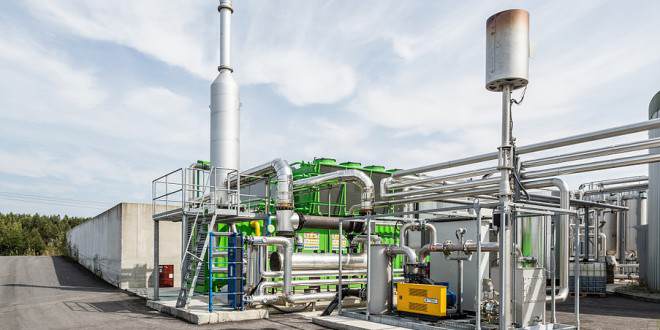
Biogas is the ideal energy solution for today's world. It provides clean fuel to meet demands, reduces the load on the local electrical grid and also produces organic fertilizer for agriculture as a by-product.
Since biogas production uses biowaste, pasteurized biomass, condensed substrate, feed digestion and slaughterhouse waste; it also significantly reduces water and soil waste.
Biogas production
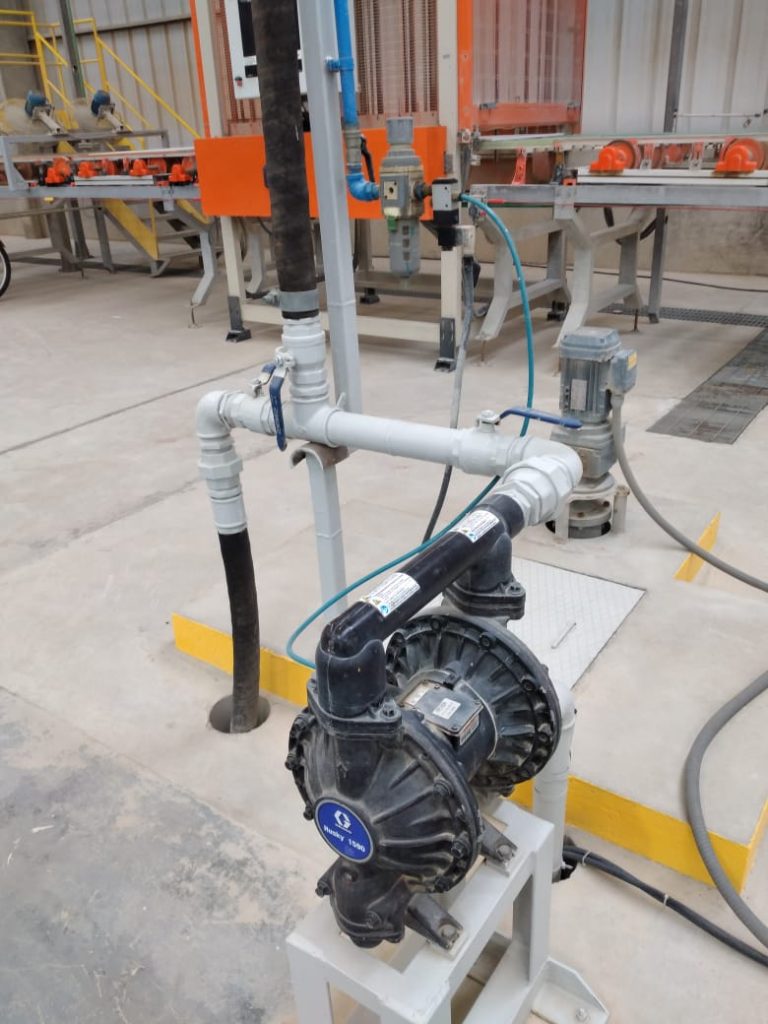
Pneumatic pumps are used to mix and transfer slurry made from macerated bio-waste and digest the liquid for fermentation
In an oxygen-free environment inside fermentation tanks; microorganisms transform organic matter into biogas rich in methane and carbon dioxide through a process called anaerobic digestion
One bomba is used to circulate the sludge heat exchangers to maintain the sludge temperature. This ensures that the anaerobic bacteria remain intact within the fermentation tank.
After fermentation, the resulting digestive sludge is transferred by biomass pump to open lagoons/storage tanks.
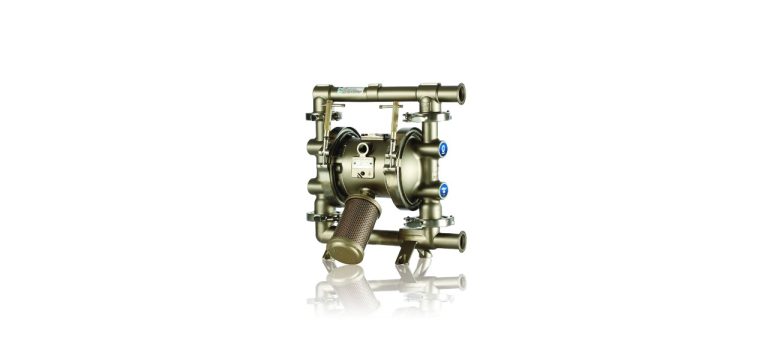
Finally, the diaphragm pump is used to fill organics into tanker trucks.