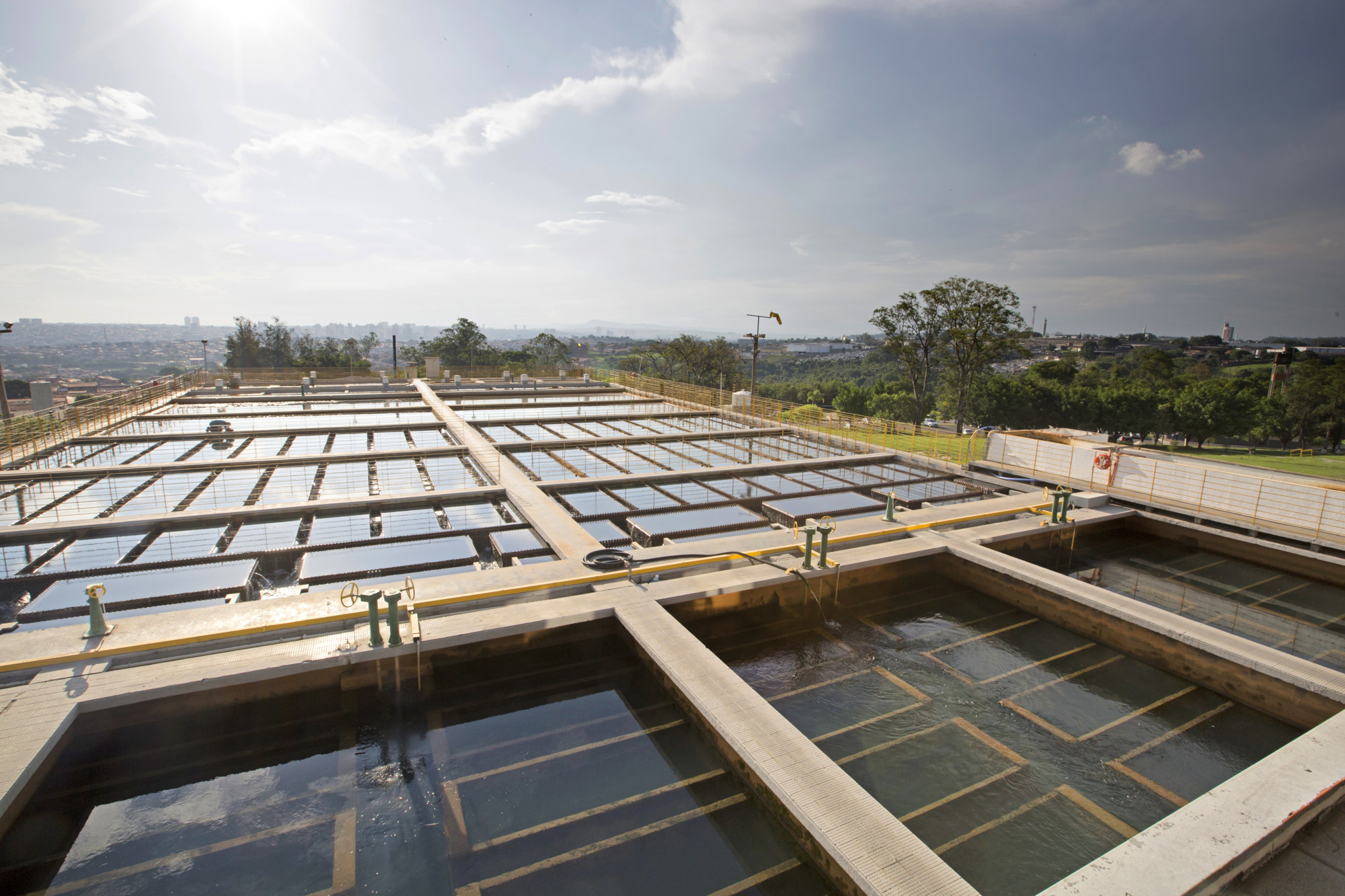
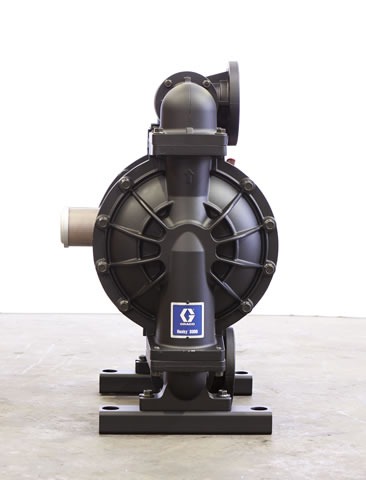
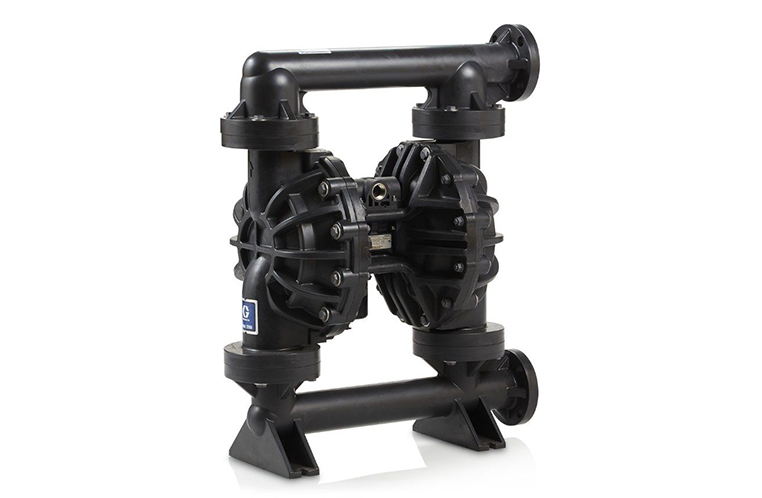
When it comes to water supply and wastewater management applications, the robustness of the pumps offered by Duplado and our ability to customize them with the ideal material makes us almost unstoppable. Duplado wastewater pumps can easily handle aggressive chemicals and solid-laden liquids, making them ideal for wastewater-related applications.
- Sludge treatment
The main objective of the industrial wastewater plant is to reduce the volume of sludge and separate water from matter to treat it efficiently and improve the quality of disposal and production of renewable energy, i.e. BIOGAS, methane, compost, etc.
- Preliminary treatment
The first step in ETA R is the removal of large and coarse objects that can cause damage to the pumping system due to their size. Sewage water flows through bar screens installed to remove large floating objects such as rags and screens, undigested food, matchsticks, etc. and some fibrous items are even macerated to make them suitable for transfer with pumps. At this stage, sewage water also flows through gravel chambers to sediment the sand from the water.
Primary and secondary treatment
The process involves Dissolved Air Flotation and Gravitational Thickening processes to remove 30% -60% of suspended solids and reduce BOD demand. Sewage is often chlorinated to sterilize waste and destroy bacteria.
Dissolved Air Flotation Thickening works by forcing air under pressure to dissolve in the return flow and releasing the pressure when the return is mixed with the feed. As air leaves the waste, the solids aggregate into small bubbles and float to the top of the tank to be discarded. The flotation process allows the free passage of solids less than 5 cm into the sedimentation tank.
Gravity thickening reduces the natural tendency of high-density solids to settle out of the liquid to concentrate the solids. It is used in sedimentation/settling tanks in which high-density organic and inorganic solids separate from the liquid by settling at the bottom. Other solid materials with properties similar to water are removed for the next stage of secondary treatment. The settled biosolids are further treated and used as fertilizer, where the rest is disposed of on land.
Secondary Treatment / Activated Sludge Process removes 85% of organic matter using aerobic and anaerobic bacteria.
The Anaerobic Biological Process is an energy-efficient process in which microorganisms transform organic matter into biogas rich in methane and carbon dioxide in an oxygen-free environment.
The aerobic biological process requires blowing air with the presence of oxygen into settling tanks where bacteria decompose organic matter and remove pollutants such as nitrogen and phosphorus. The aerobic process is used to achieve maximum degradation and convert biomass into carbon dioxide and new biomass.
After the biological process, the sludge settled in sedimentation tanks is pumped to digestion tanks where the sludge is heated and mixed to produce biogas, which can be reused in effluent treatment plants to produce renewable energy. And the remaining effluent wastewater is injected with chlorine to remove harmful disease-causing organisms before being released into waterways.
Storage tanks are used for second stage digestion where water is separated from the semi-solid sludge and goes for further treatment and the semi-solid sludge is pumped to the dewatering plant.
- Dehydration application
Digested sewage sludge is dewatered before final disposal. Waste sludge from digestion tanks has useless solids which contains 70% water content. Although the sludge still appears solid, its bulk needs to be removed before final disposal.
Different methods for dehydration
Open sand beds: The digested wastewater sludge is spread over a sand bed where its water content is evaporated by sunlight and the remaining water is drained with a piping system beneath the sand bed. Six weeks of drying reduced the water content to 40%. This method is widely adopted in small rural waste plants.
Flocculant Chemical Dosage: Other drying methods, such as the Rotary Drum Vacuum Filter, Centrifugation and Belt Filter process, require chemically conditioned sludge, where a bomba dosing pump transfers the flocculants to the sludge produced in the digestion tanks and a screw pump transfers it to the dewatering unit.
Rotary Drum Vacuum Filter: A submerged drum rotates in the wastewater sludge and each revolution consists of sludge drying, cake formation and cake disposal. Vacuum is applied via liquid ring vacuum pump and draws liquid through filter media on the surface of the drum, which traps solids. The vacuum continues to remove moisture from the cake and the resulting cake is deposited from the drum onto the conveyor belt.
Belt Press Filter: The chemical condition sludge is transported along the belt and plow rollers to drain the water. Guide plates are used to position the sludge in the middle of the belt so that there is no compression outside the filter. After this step, the solids are prepared to enter the pressure zone, where the sludge is sandwiched between two belt filters and medium to high pressure is applied resulting in greater water drainage. The resulting water is again transferred to the primary treatment unit outlet of the effluent treatment plant and the sludge cake is discarded.
Centrifugation Process: In the process, the sludge is transferred to a centrifuge where its inner drum rotates at a high speed of 3000 rpm or more. The feed rate is kept constant and the solids with size 2 µm and above are deposited on the inner wall of the drum in the form of stable sludge with 20% water content and the hydraulic power in the drum allows a collection tube to collect clean water and transport it to the collection tank without any pump.
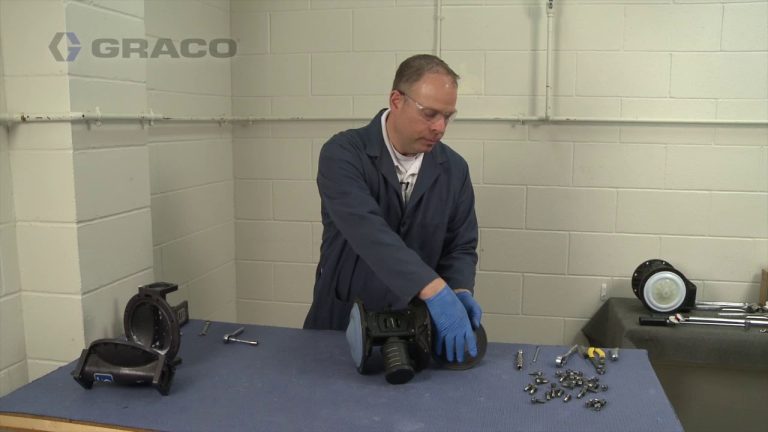
We offer initial training services during product installation to familiarize your team with your pump and its operations.