Preventative maintenance of diaphragm pumps is essential to ensure efficiency and durability. Identifying signs of failure, carrying out regular maintenance and using quality parts are fundamental practices to avoid problems and high costs.
A preventive maintenance diaphragm pumps It is essential to ensure that your equipment functions optimally and for a long time. When it comes to diaphragm pumps, prevention is the best way to avoid serious and expensive problems. In this text, we will cover the best practices to keep your pumps in perfect condition and thus avoid failures.
Importance of Preventive Maintenance
A preventive maintenance is essential to ensure the efficiency and durability of diaphragm pumps. By performing regular maintenance, you can identify and correct problems before they become serious failures, avoiding unexpected downtime and high repair costs.
Additionally, preventative maintenance helps optimize pump performance, ensuring that they operate within ideal parameters. This not only extends the life of the equipment, but also improves energy efficiency, resulting in operational cost savings.
Another important aspect is security. Poorly maintained pumps can pose risks such as fluid leaks or mechanical failures. Regular maintenance ensures that all components are in good condition, minimizing risks to operators and the working environment.
Finally, preventative maintenance contributes to compliance with safety and environmental standards and regulations. Keeping maintenance records can be a legal requirement in many industries, and proper documentation can avoid penalties and ensure continued operation.
Steps to Perform Maintenance on Diaphragm Pumps
Carry out the diaphragm pump maintenance It is a process that must be followed carefully to ensure the efficiency of the equipment. Here are the essential steps for effective maintenance:
1. Shutdown and Depressurization: Before starting any maintenance, it is crucial to turn off the bomba and depressurize the system. This ensures operator safety and prevents accidents.
2. Visual Inspection: Perform a complete visual inspection of the pump. Check components for leaks, visible damage, or wear. Pay special attention to connections and hoses.
3. Cleaning: Clean the pump and its parts. Remove accumulated dirt, debris and fluids. Regular cleaning helps prevent failures and maintains optimal performance.
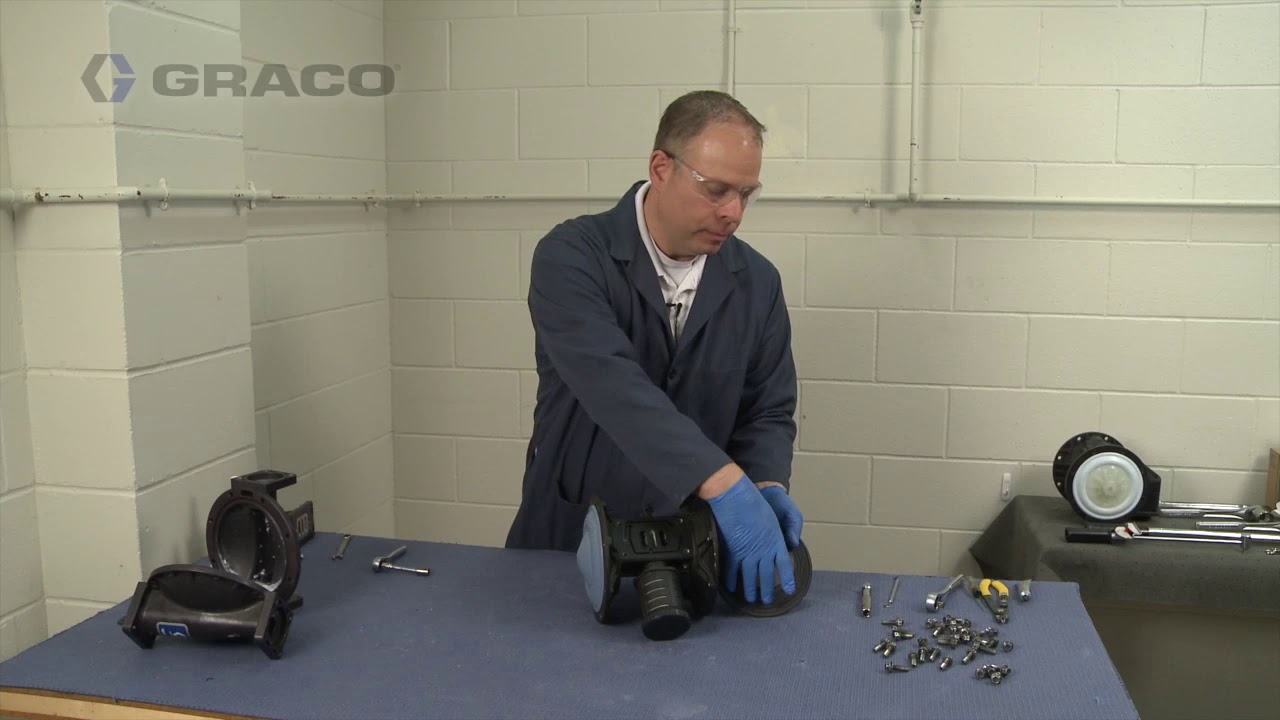
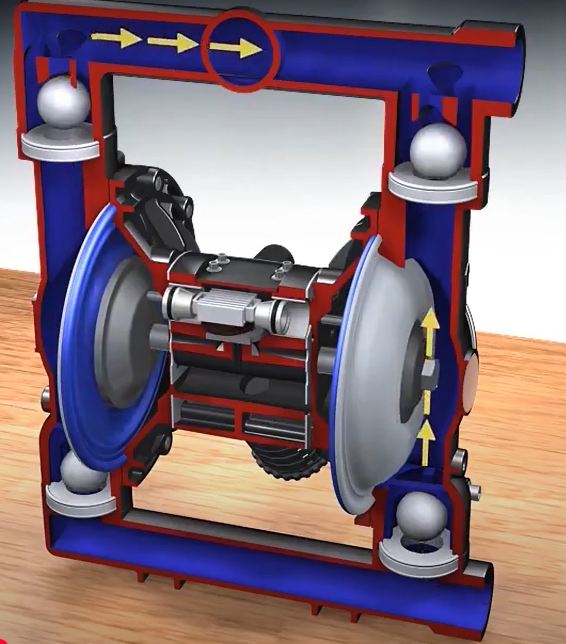
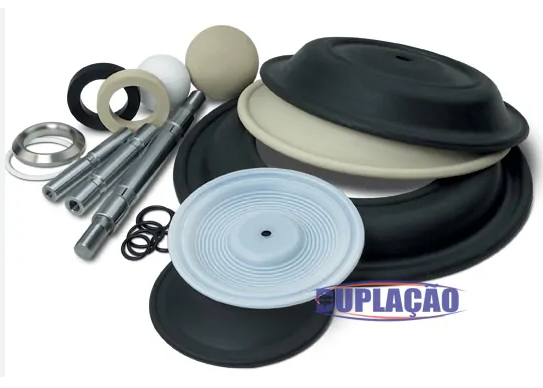
4. Component Check: Examine internal components such as diaphragms, valves and seals. Replace any part that shows signs of wear or damage. The use of quality replacement parts is essential for the pump's durability.
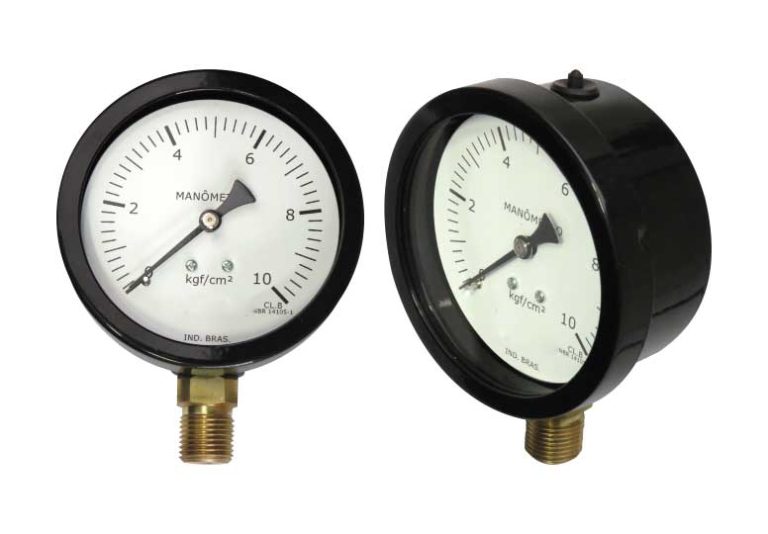
5. Function Test: After maintenance, turn on the pump and carry out a test run. Check that there are no leaks and that the pump operates smoothly. Monitor pressure and flow to ensure everything is within normal parameters.
Common Problems in Diaphragm Pumps
As diaphragm pumps They are robust equipment, but they can face some common problems that affect their performance. Knowing these problems is essential to carry out adequate maintenance and avoid failures. Here are some of the most frequent problems:
1. Leaks: One of the most common problems with diaphragm pumps is fluid leakage. This may be due to wear on the diaphragms or seals. It is important to regularly inspect these parts and replace them when necessary.
2. Pressure Loss: Pressure loss can be caused by obstructions in the suction or discharge lines, or valve failures. Check that there are no blockages and that the valves are working properly.
3. Abnormal Noises: Unusual noises during operation may indicate mechanical problems such as worn bearings or loose components. These noises must be investigated immediately to prevent further damage.
4. Operation Cycle Failures: If the pump is not completing its operating cycle, this could be a sign that there is a problem with the motor or compressed air source. Check electrical connections and air pressure.
5. Fluid Contamination: Contamination of the pumped fluid can cause internal damage to the pump. It is essential to ensure that the fluid is clean and free from particles that could cause wear.
Professional Maintenance Tips
Following professional tips can make all the difference in your maintenance of diaphragm pumps. Here are some valuable recommendations to ensure your equipment works efficiently and for a long time:
1. Perform Regular Maintenance: Establish a preventative maintenance schedule. Inspecting and maintaining your pumps regularly helps identify problems before they become serious.
2. Use Quality Replacement Parts: Whenever you need to replace components, opt for original or high-quality parts. This ensures that the pump maintains its optimal performance and extends its useful life.
3. Train your Team: Invest in training for your team. Well-trained employees can identify problems quickly and perform maintenance more effectively, reducing downtime.
4. Keep Detailed Records: Document all maintenance performed, including dates, parts replaced, and observations. This helps monitor the pump's history and makes it easier to identify failure patterns.
5. Be Aware of Warning Signs: Pay attention to any changes in the pump's performance, such as abnormal noises or leaks. These signs may indicate problems that need to be addressed immediately.
How to Identify Signs of Failure
Identify fault signs in diaphragm pumps is crucial to prevent further damage and ensure continued operation of the equipment. Here are some signs you should watch out for:
1. Abnormal Noises: If the pump starts making strange sounds, such as knocking or grinding, this could indicate mechanical problems. These noises can be caused by loose or worn parts.
2. Leaks: The presence of fluids around the pump is a clear sign that something is wrong. Leaks can occur due to damaged seals or worn diaphragms.
3. Pressure Drop: If you notice a decrease in outlet pressure, this could be indicative of blockages in the lines or failed valves. Check for blockages or valves are working properly.
4. Flow Changes: Unexpected changes in liquid flow can signal internal problems. This can be caused by damaged diaphragms or valves that are not opening or closing properly.
5. Increase in Energy Consumption: If the pump is drawing more power than normal, this could be a sign that it is experiencing internal resistance, which can lead to failure if left untreated.
Efficient Maintenance for Diaphragm Pumps
Carry out the preventive maintenance in diaphragm pumps it is essential to guarantee their optimal functioning and extend their useful life. By following the tips and identifying signs of failure, you can avoid serious problems and high costs.
Maintaining a regular maintenance schedule, using quality parts and training your team are fundamental steps to success. Additionally, being alert to abnormal noises, leaks, and pressure drops can help detect problems before they become critical.
With these practices, you ensure that your diaphragm pumps operate efficiently, contributing to the productivity and safety of your industrial environment.
FAQ – Frequently asked questions about diaphragm pump maintenance
How important is preventive maintenance on diaphragm pumps?
Preventive maintenance is crucial to guarantee the efficiency, durability and safety of diaphragm pumps, avoiding failures and high costs.
What are the signs of failure that I should look out for?
Signs of failure include abnormal noises, leaks, pressure drops, changes in flow and increased energy consumption.
How often should I maintain diaphragm pumps?
Maintenance must be carried out regularly, according to a schedule that takes into account the intensity of use and the manufacturer's recommendations.
How can I train my staff on proper maintenance?
Invest in specific training on the operation and maintenance of diaphragm pumps, in addition to promoting the exchange of experiences between operators.
What parts should I use for maintenance?
Always use quality replacement parts, preferably original or from trusted manufacturers, to ensure optimal pump performance.
What should I do if I identify a problem with the pump?
If you identify a problem, turn off the pump immediately and perform a detailed inspection. If necessary, consult a qualified professional for assistance.