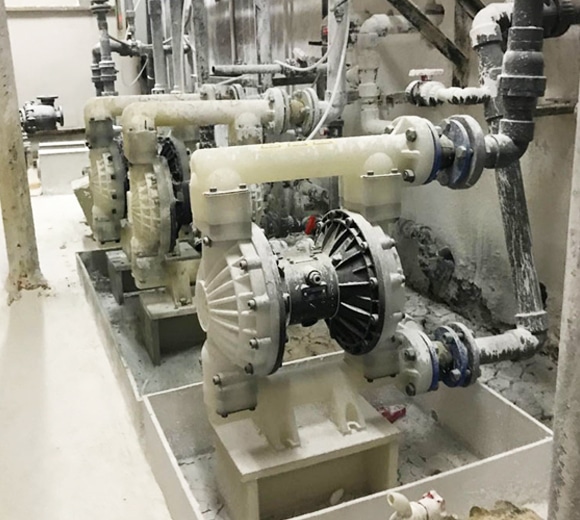
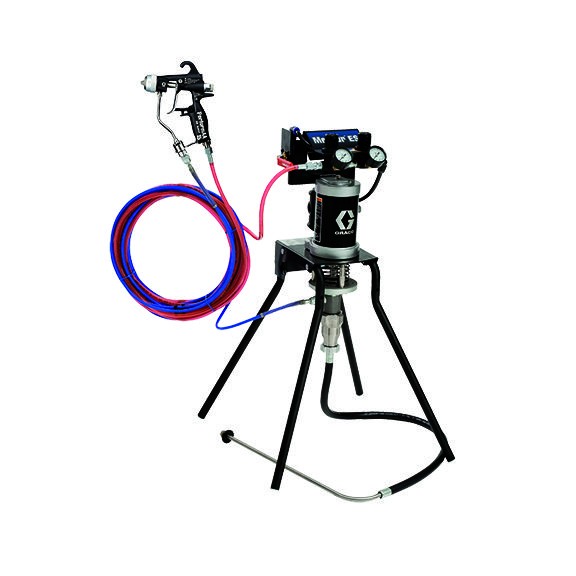
Have you ever wondered what is behind the operation of a pneumatic diaphragm pump?
In our new video, we take a deep dive into the essential components that make up this powerful technology.
>>> Mas, como funciona a bomba pneumatic diaphragm?
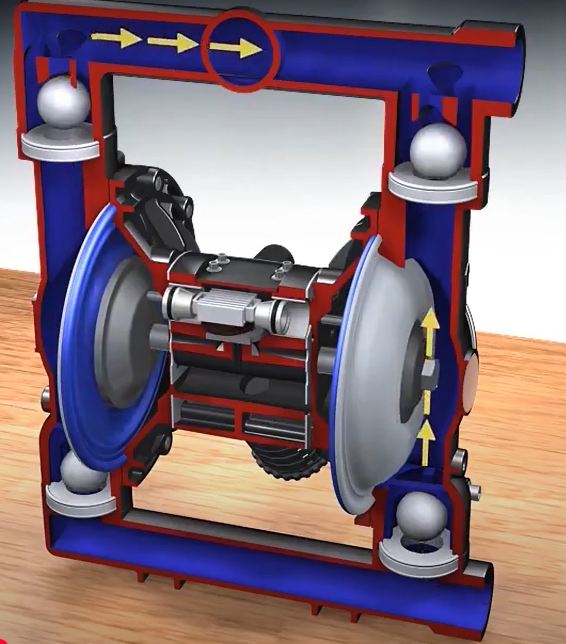
A pneumatic diaphragm pump works by converting the energy of compressed air into mechanical movement to pump liquids. Here is a more detailed explanation of the process:
Compressed air source: The pump is connected to a compressed air source. When air is supplied to the pump, it is directed into air chambers located on each side of the diaphragm.
Diaphragm movement: Compressed air enters the air chamber on one side of the diaphragm, causing it to move in the opposite direction. This movement creates negative pressure in the opposite chamber, which causes the liquid to be sucked into the pump.
Pumping the liquid: As the diaphragm moves back and forth, it compresses and expands the pumping chamber. When the diaphragm moves forward, pressure increases in the pumping chamber, forcing liquid out of the pump. When the diaphragm moves back, the pressure in the pumping chamber decreases, allowing more liquid to enter the pump.
Inlet and outlet valves: The diaphragm pump usually has inlet and outlet valves that control the flow of liquid. The inlet valve allows liquid to enter the pump when the pressure in the pumping chamber decreases, while the outlet valve allows liquid to exit the pump when the pressure in the pumping chamber increases.
Continuous operating cycle: The pumping process continues as long as compressed air is supplied to the pump. The operating cycle is controlled by the compressed air supply and the inlet and outlet valves.
Each part plays a crucial role in the pumping process, and our exploded view reveals everything in stunning detail.