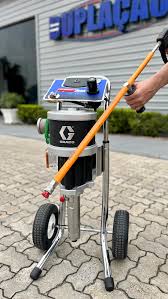
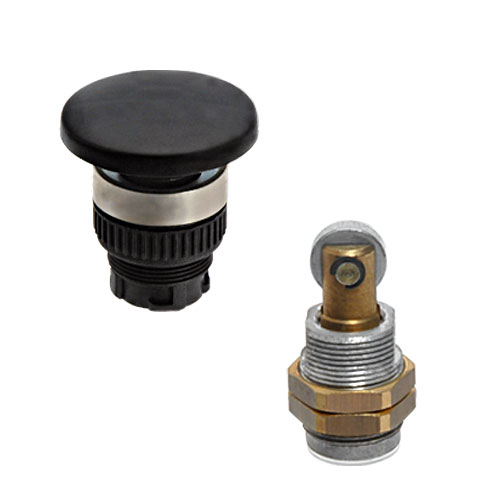
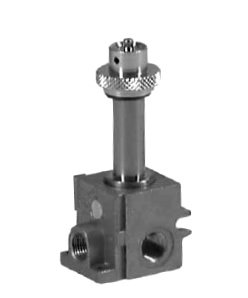
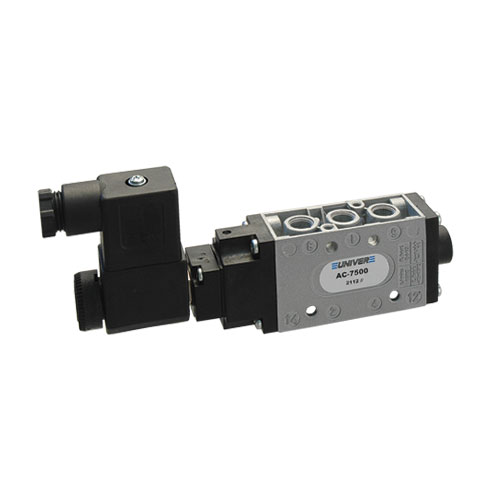
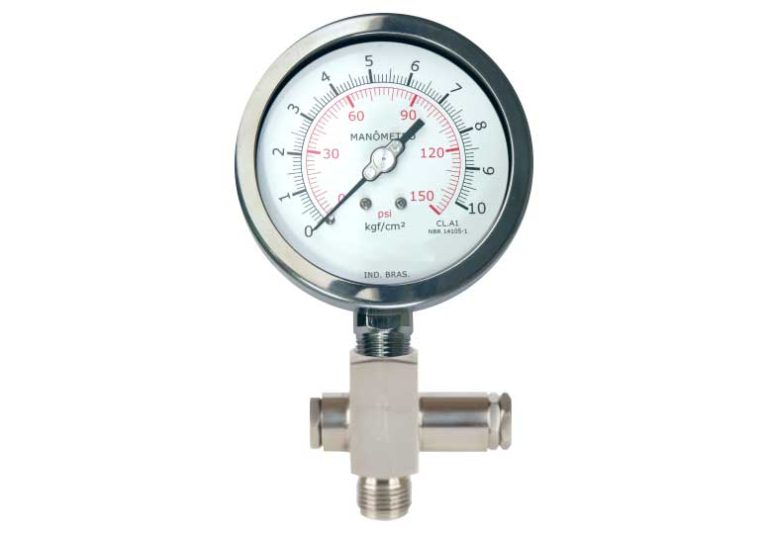
A pneumatic hydrolavor is a equipment used for high pressure cleaning that operates using compressed air to generate the required pressure. Here is an overview of how it works:
1) Air compression: The process begins with ambient air compression by means of an air compressor. This compressor pressurizes the air, increasing its density and potential energy.
2) Compressed air storage: Compressed air is then stored in a reservoir or air tank, where its pressure is kept until it is released to the hydrolavor.
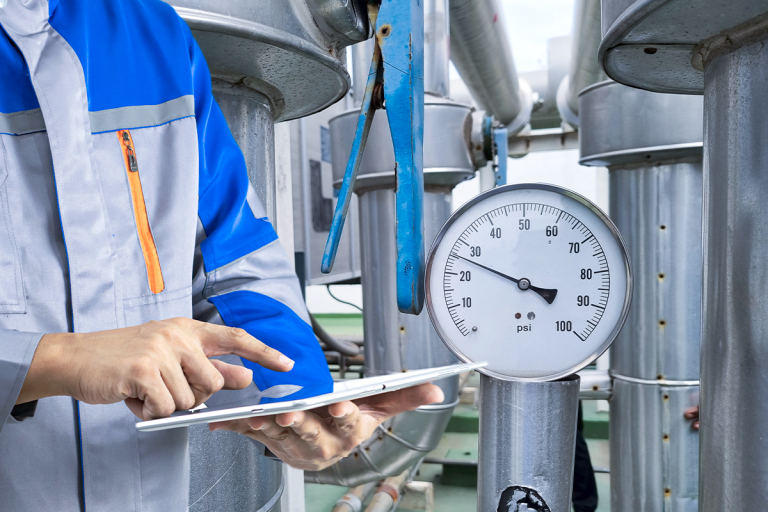
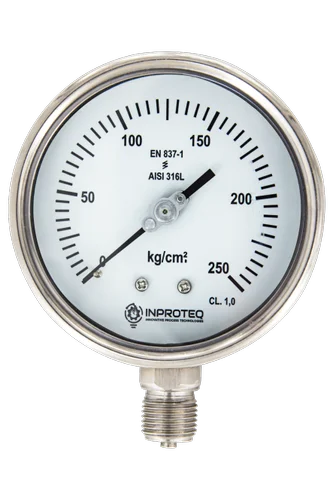
3) Pressure control: Compressed air pressure is controlled by adjustable pressure regulators. This allows operators to adjust the output pressure according to the specific cleaning needs.
4) Pressure transfer to water: Compressed air is conducted to the hydrolavator, where it is used to trigger a mechanism that pressurizes water. This can be done in a variety of ways, depending on the hydrolavating design, but usually involves using a compressed air piston or diaphragm to increase water pressure.
5) High pressure water output: Pressurized water is then directed through a high pressure hose to a spraying gun or nozzle. When the pistol trigger is triggered, the water is released into a high pressure jet that is used to clean surfaces.
6) Surface cleaning: High pressure water jet is able to remove dirt, grease, residues and other surface contaminants effectively. The intensity and effectiveness of cleaning depend on the pressure of the water, the type of nozzle used and the distance between the nozzle and the surface to be cleaned.
In short, a pneumatic hydrolavor uses compressed air to generate pressure and pressurize water, producing a high pressure jet that is used for surface cleaning in a variety of industrial and commercial applications.
Know more: