Industrial instrumentation is crucial to ensuring quality and efficiency in production processes, offering benefits such as increased operational efficiency, improved product quality and compliance with standards. Investing in instrumentation is essential for companies looking to stand out in the market.
Industrial instrumentation contributes quality of processes in various industries, being a key part in the search for excellence. By using precise instruments to monitor and control operations, companies are able to ensure that their products meet expected quality standards. In this article, we will explore what industrial instrumentation is, its importance for quality, and how to implement it effectively.
What is Industrial Instrumentation?
A industrial instrumentation refers to the set of techniques and devices used to measure, control and monitor industrial processes. These instruments are essential to guarantee the quality and efficiency of operations in various sectors, such as manufacturing, petrochemicals and pharmaceuticals.
Industrial Instrumentation Components
The main components of instrumentation include sensors, transmitters, controllers and actuators. Each of these elements plays a crucial role in data collection and process automation. For example, sensors detect variables such as temperature, pressure and flow, while controllers adjust operations based on the information received.
Types of Instruments Used
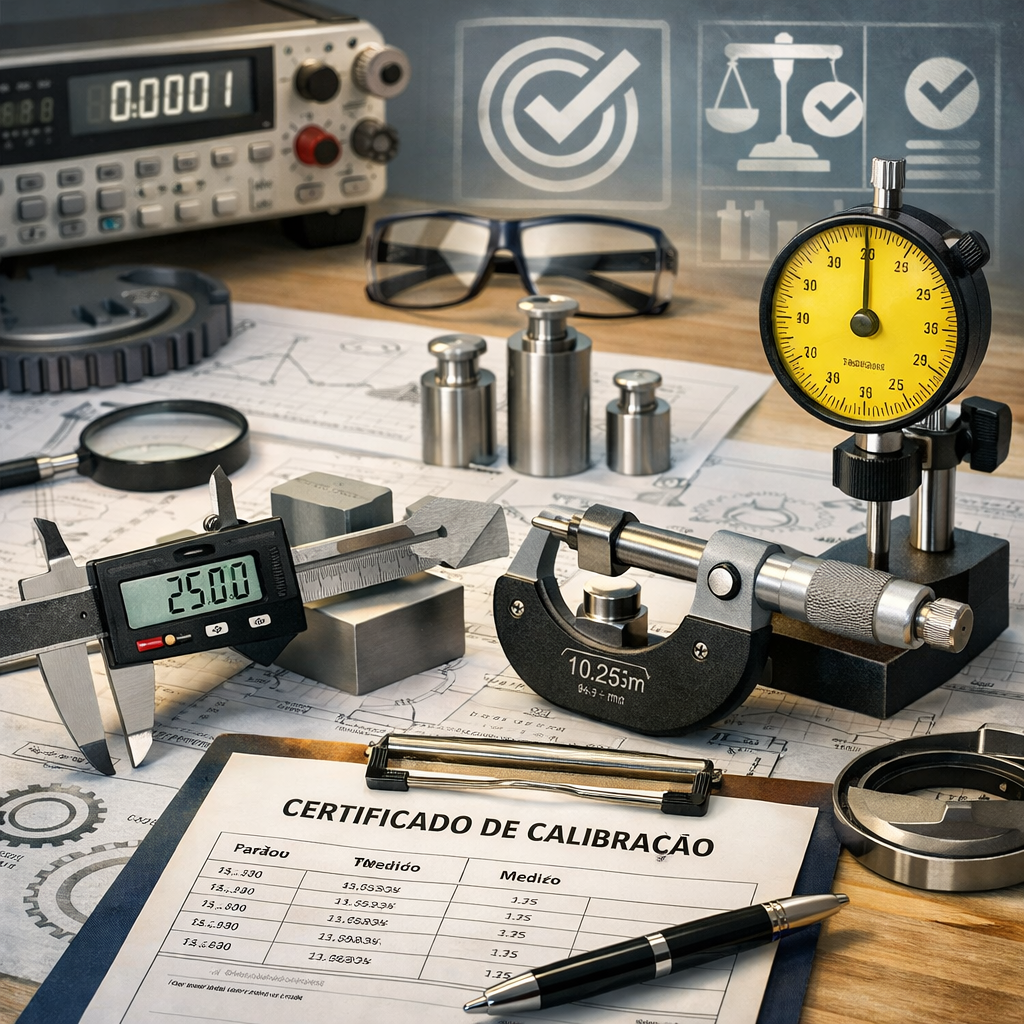
There are several types of instruments used in industrial instrumentation, such as pressure gauges, thermometers, level gauges and quality analyzers. Each instrument is designed to meet specific needs, ensuring processes are monitored accurately.
Importance of Instrumentation in Industry
Instrumentation is fundamental to the safety and efficiency of industrial operations. With accurate measurement and automated control, companies can reduce waste, improve product quality and increase productivity. Additionally, instrumentation contributes to compliance with regulatory standards and quality standards.
The importance of Instrumentation in Quality
A importance of instrumentation in quality of industrial processes cannot be underestimated. Adequate instrumentation ensures that measurements are accurate and reliable, which is essential to maintain the quality standards required in various sectors.
Process Control
One of the main roles of instrumentation is process control. With accurate measuring instruments, companies can monitor critical variables such as temperature, pressure and flow in real time. This allows immediate adjustments, avoiding deviations that could compromise the quality of the final product.
Compliance with Standards
Instrumentation is also vital to ensure compliance with quality standards and regulations. Many industries, such as pharmaceuticals and food, need to follow strict standards. Measuring instruments help document and validate that processes meet these requirements, avoiding penalties and ensuring consumer safety.
Waste reduction
With the right instrumentation, companies can identify inefficiencies and waste in their operations. This not only improves product quality but also reduces operating costs. The ability to monitor and adjust processes in real time results in more efficient and sustainable production.
Continuous Improvement
Instrumentation is an essential tool for continuous improvement. By collecting accurate data on process performance, companies can analyze trends and implement improvements. This leads to a feedback loop that promotes innovation and operational excellence.
How to Implement Instrumentation Practices
Implement practices of instrumentation effective is crucial to guarantee quality and efficiency in industrial processes. Below are some steps that can be followed for successful implementation.
1. Needs Assessment
The first step is to carry out a detailed assessment of the needs of your operation. Identify which processes require monitoring and control. This will help you determine which instruments are best suited for your application.
2. Instrument Selection
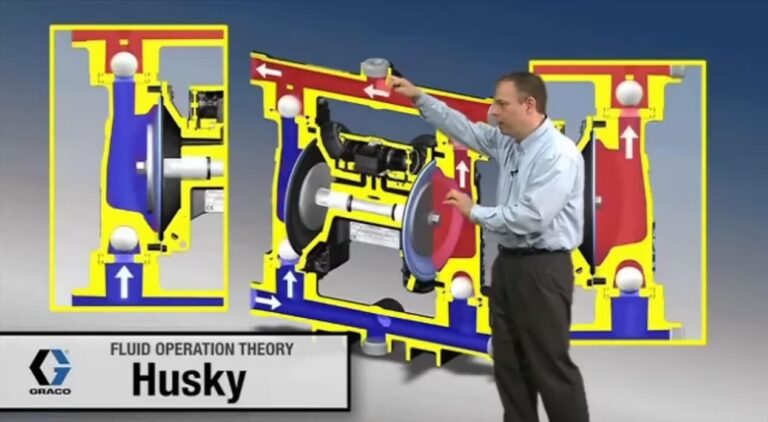
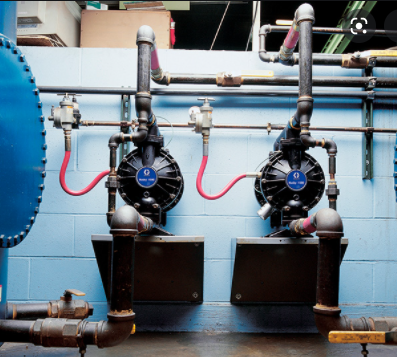
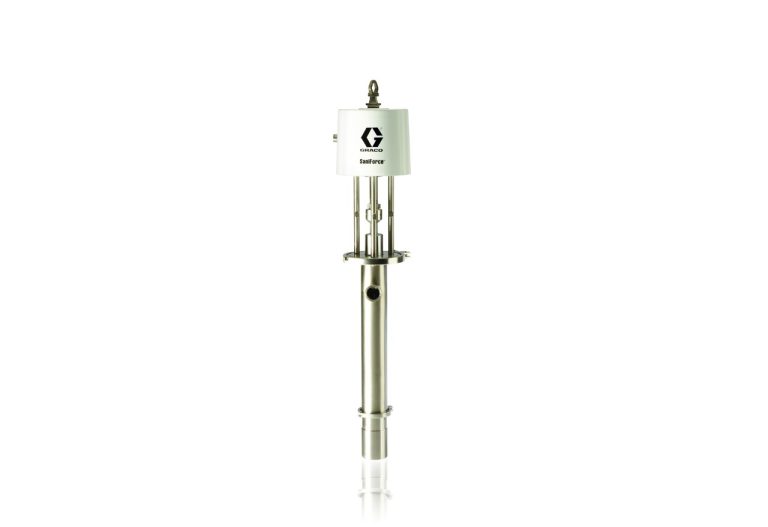
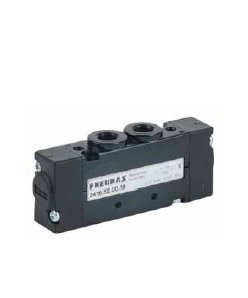
After the evaluation, choose the instruments that best meet your needs. Consider factors such as accuracy, measurement range, and compatibility with the working environment. It is important to choose equipment from recognized brands, such as Graco Inc. e Pneumax, which guarantee quality and reliability.
3. Team Training
Team training is essential for successful implementation. Operators must be familiar with the operation of the instruments and best practices for use. This not only improves efficiency but also minimizes errors that can compromise quality.
4. Monitoring and Maintenance
After implementation, it is essential to carry out continuous monitoring of the instruments. This includes regular checks and preventive maintenance to ensure equipment is always working properly. A good maintenance plan helps to avoid failures and extend the life of instruments.
Benefits of Industrial Instrumentation for Companies
A industrial instrumentation offers a series of significant benefits for companies, directly impacting the efficiency and quality of production processes.
1. Increased Operational Efficiency
With the right instrumentation, companies can monitor and control processes in real time. This results in a more efficient operation, as it allows immediate adjustments and waste minimization. Automating repetitive tasks also frees up employees to focus on more strategic activities.
2. Product Quality Improvement
Precise measuring instruments ensure that products meet the required quality standards. The ability to monitor critical variables during production helps identify and correct problems before they affect the final product, resulting in greater customer satisfaction.
3. Cost Reduction
Implementing instrumentation practices can lead to reduced operating costs. With more efficient processes and less waste, companies can save on materials and production time. Furthermore, preventive maintenance of equipment avoids unexpected downtime and costs associated with emergency repairs.
4. Compliance with Rules and Regulations
Companies that use appropriate instrumentation are better positioned to meet industry standards and regulations. This is especially important in industries such as pharmaceuticals and food, where compliance is critical to ensuring consumer safety and avoiding penalties.
Conclusion on the Importance of Industrial Instrumentation
Industrial instrumentation is essential to guarantee quality and efficiency in production processes. By implementing appropriate practices, companies can increase their operational efficiency, improve product quality and reduce costs.
Additionally, instrumentation helps companies stay compliant with standards and regulations, which is crucial in critical industries. By adopting instrumentation technologies, companies not only optimize their operations, but also better position themselves in the market.
Therefore, investing in industrial instrumentation is an important step for any company that wants to grow and stand out in a competitive environment.
FAQ – Industrial Instrumentation Frequently Asked Questions
What are the main benefits of industrial instrumentation for companies?
Key benefits include increased operational efficiency, improved product quality, reduced costs and compliance with standards and regulations.
How can instrumentation help improve product quality?
Instrumentation allows you to monitor critical variables during production, helping to identify and correct problems before they affect the final product.
What types of instruments are used in industrial instrumentation?
Instruments include sensors, transmitters, controllers and actuators, each with specific functions to measure and control processes.
How important is staff training when implementing instrumentation?
Training is critical to ensure operators know how to use instruments correctly, minimizing errors and improving efficiency.
How can instrumentation help reduce operating costs?
With more efficient processes and less waste, instrumentation helps save on materials and production time, as well as avoiding unexpected stops.
Is industrial instrumentation necessary for all companies?
Although not mandatory for all companies, instrumentation is highly recommended for those looking to improve the quality and efficiency of their processes.