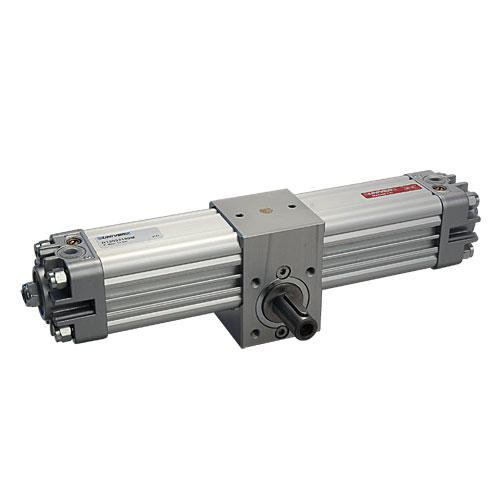
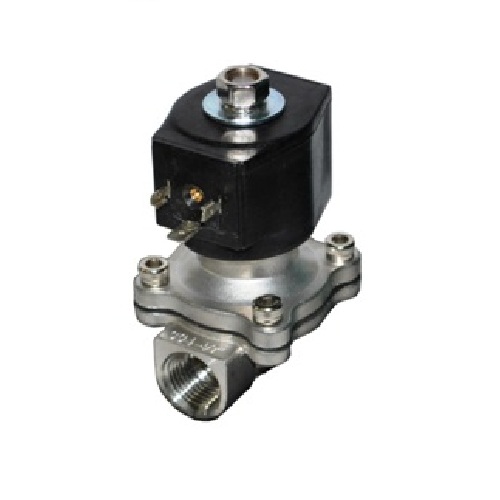
Pneumatic pumps are crucial components in many industries, being essential for transporting fluids and gases in a controlled and efficient manner. However, under extreme operating conditions — whether in high-pressure environments, elevated temperatures or with aggressive fluids — the strain on the design of the bomba It's immense. In this article, we'll explore the physics behind these bombs, how they work, and the impact of extreme conditions on their performance. Additionally, we will discuss how companies can optimize the performance and durability of these pumps, ensuring safe and efficient industrial operations.
How pneumatic pumps work
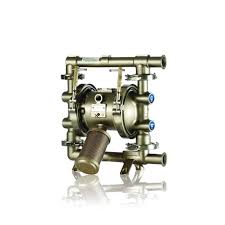
Before we dive into the extreme conditions, it is important to understand the basic working principle of pneumatic pumps. This type of pump uses a flexible diaphragm that moves back and forth within a chamber. This alternating movement creates negative pressure, which sucks the fluid or gas into the pump, and then the diaphragm moves forward, forcing the fluid out. The simple and robust design of diaphragm pumps is what makes them ideal for a wide variety of industrial applications.
The pressure cycle and the vacuum created by the diaphragm
The secret of diaphragm pumps is the alternation between pressure and vacuum. Each operation cycle involves three steps:
- Suction (Negative pressure): The diaphragm retracts, creating a vacuum inside the pump chamber. This vacuum causes fluid to be drawn into the pump through the suction valve.
- Compression (Positive pressure): The diaphragm expands, pushing fluid out of the chamber through the discharge valve.
- Valve closing: Inlet and outlet valves ensure that the fluid follows the desired path, without backtracking.
The flexibility and strength of the diaphragm are fundamental to ensuring that this process occurs efficiently and without failure, which is crucial when dealing with aggressive, viscous fluids or suspended particles.
Extreme conditions and their effects on pneumatic pump design
- High Pressure:
When pneumatic pumps are subjected to high pressure environments, the pump design needs to be robust enough to withstand this load. Under high pressure conditions, the diaphragm materials, as well as the chamber and valves, need to be specially designed to resist accelerated wear and material fatigue.
How High Pressure Affects the Pump:
- Diaphragm Deformation: Excessive pressures can cause the diaphragm to deform permanently, resulting in pump failure.
- Air or Fluid Leaks: The sealing of valves and gaskets can be compromised under high pressure, leading to unwanted leaks.
- Excessive Heating: Increased pressure can generate excessive heat, damaging the pump's internal components and shortening its useful life.
What to Do to Mitigate:
- Choice of High-Resistance Materials: Materiais como elastômeros reforçados e ligas metálicas de alta resistência podem ser utilizados para garantir a durabilidade da bomba em pressões extremas.
- Monitoring Technology: Use pressure and temperature monitoring systems to ensure that the pump does not operate outside of ideal parameters.
- Extreme Temperatures:
Temperature is a crucial factor in the performance of diaphragm pumps. Industrial operations in environments with very high or low temperatures can seriously affect pump performance.
How Temperature Affects the Pump:
- Contraction or Expansion of the Diaphragm: Temperaturas extremas podem causar a dilatação ou contração do material do diafragma, resultando em falhas de vedação e perda de eficiência na transferência de fluido.
- Material Rigidity: At very low temperatures, certain materials can become brittle, increasing the risk of breakage. At high temperatures, materials can soften and lose their sealing ability.
- Chemical Degradation: Fluidos agressivos, como ácidos ou álcalis, podem se decompor com o aumento de temperatura, afetando a integridade do diafragma e das válvulas.
What to Do to Mitigate:
- Selection of Materials Resistant to Extreme Temperatures: Materials such as PTFE (polytetrafluoroethylene) or Viton are highly resistant to thermal and chemical wear, offering longer service life in difficult environments.
- Temperature Control: Installing cooling or heating systems to keep the pump in an ideal temperature range can help keep the pump working properly.
- Abrasive or Corrosive Fluids:
When pneumatic pumps are used to transfer abrasive or corrosive fluids, the impact on pump components is significant. These fluids can accelerate wear on the diaphragm and valves, as well as cause damage to the internal surface of the pump.
How Abrasive or Corrosive Fluids Affect the Pump:
- Abrasive wear: Solid particles in fluids can quickly wear out moving pump components such as the diaphragm and valves.
- Corrosion: Corrosive fluids can quickly deteriorate metal surfaces, compromising the pump structure and leading to premature failures.
What to Do to Mitigate:
- Use of High Chemical Resistance Materials: Using pumps with corrosion-resistant coatings, such as stainless steel or ceramic materials, can help protect against chemical damage.
- Filters and Particle Separators: Implementing filtration systems to remove abrasive particles can significantly increase pump life.
The role of preventive maintenance under extreme conditions
Regardless of extreme conditions, preventative maintenance is essential to ensure pneumatic pumps continue to operate efficiently. This involves:
- Regular inspections: Periodically check the condition of the diaphragm, valves and sealing systems.
- Proper Lubrication: In pneumatic systems, ensuring that moving components receive the correct lubrication can prevent excessive wear.
- Parts Replacement: Timely replacement of wear parts such as diaphragms, valves and repair kits can prevent catastrophic failures.
Conclusion
Understanding the physics behind pneumatic pumps and how they react in extreme conditions is critical to ensuring their performance and longevity in challenging industrial applications. Companies that operate in high pressure environments, extreme temperatures or with aggressive fluids need to invest in appropriate equipment and preventative maintenance practices to reduce costs due to unexpected failures and increase operational efficiency.
If your company faces challenges with pneumatic pumps in severe conditions, choosing high-quality parts and repair kits, as well as a well-planned maintenance strategy, can be the key to ensuring efficient, uninterrupted operation.