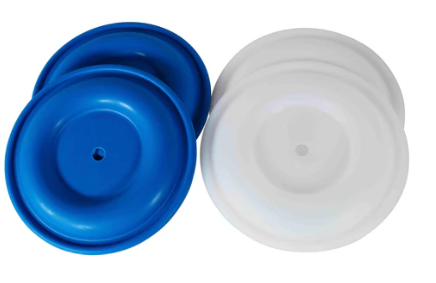
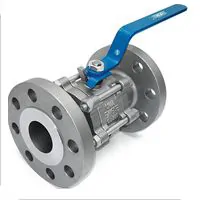
Diaphragm life is crucial to the performance of pneumatic systems in vehicles. Keeping the diaphragm in good condition ensures efficiency, safety and fuel economy, while signs of wear, such as leaks and loss of pressure, indicate the need for replacement.
**Diaphragm life** is an essential part of maintaining your vehicle. Many drivers don't realize how much this part influences overall performance. In this article, we'll cover what it is, how to care for it, and the signs that it's time for a replacement. Get ready to understand everything about diaphragm lifespan and how to make the most of it!
What is diaphragm life?
A Diaphragm Life refers to the time or number of cycles that a diaphragm can operate efficiently before failing. This part is essential in several systems, such as pneumatic pumps and valves, where its function is to ensure sealing and control of fluid flow.
Diaphragms are generally made of flexible materials that allow for expansion and contraction. With continued use, these materials can wear out, leading to leaks or equipment malfunctions. Therefore, understanding diaphragm life is crucial for preventative maintenance and avoiding unexpected production stops.
Furthermore, service life may vary depending on factors such as operating pressure, ambient temperature and the nature of the fluid passing through the diaphragm. Therefore, it is important to regularly monitor the condition of this part and replace it when necessary.
Factors influencing diaphragm service life
Several factors influence diaphragm service life, and understanding these elements is essential to ensure optimal performance of pneumatic systems. One of the main factors is the operating pressure. Excessive pressures can cause premature wear, while too low pressures can lead to improper operation.
A temperature also plays a crucial role. Diaphragms exposed to extreme temperatures can deteriorate more quickly. It is important to use materials suitable for specific operating conditions.
A nature of the fluid passing through the diaphragm is another determining factor. Corrosive or abrasive fluids can damage the diaphragm material, reducing its useful life. Therefore, choosing the right diaphragm for the type of fluid is essential.
In addition, the frequency of use and the number of operating cycles also affect durability. A diaphragm that operates continuously at a high frequency may wear out more quickly than one that operates in more spaced cycles.
Finally, the regular maintenance and inspection of pneumatic components are essential to identify problems before they become critical. Preventative diaphragm replacement can prevent unexpected failures and ensure system efficiency.
How to extend diaphragm life
Extend to Diaphragm Life It is essential to ensure the efficiency and reliability of pneumatic systems. There are several practices that can be adopted to achieve this goal.
First, it is important to perform regular maintenance. Inspecting the diaphragm and related components periodically helps identify wear or damage before it becomes a major problem. Preventative switching is an effective strategy.
Furthermore, use high quality materials in manufacturing the diaphragm can increase its durability. Choosing diaphragms made from elastomers or other materials resistant to extreme temperatures and pressures is a smart choice.
Another important factor is adjust operating pressure according to the manufacturer's specifications. Avoiding excessive pressures can prevent premature wear of the diaphragm.
Maintain the suitable temperature is also crucial. Exposing the diaphragm to extreme temperatures can compromise its integrity. Therefore, it is essential to monitor operating conditions.
Finally, it is recommended Train the team that operates the pneumatic systems. A good understanding of the operation and maintenance of equipment can prevent errors that lead to damage to the diaphragms.
Signs that the diaphragm needs to be replaced
Identify the signs that the diaphragm needs to be replaced is crucial to maintaining the efficiency of pneumatic systems. A worn diaphragm can lead to equipment failures and production interruptions.
One of the first signs to look for is the presence of leaks. If you notice fluids escaping around the diaphragm, this indicates that the seal is no longer effective and the part should be replaced.
Another important sign is the pressure loss in the system. If the pressure is not within normal levels, it may be an indication that the diaphragm is compromised.
Additionally, listen abnormal noises during operation may be a sign that the diaphragm is wearing out. Sounds such as clicking or vibrations may indicate that the part is not working properly.
O visible wear is also a clear sign. If the diaphragm has cracks, tears, or deformation, it's time to replace it. Regularly inspecting the part can help identify these problems early.
Finally, if the equipment is showing inconsistent performance, such as intermittent failures or difficulty maintaining operation, this may be a sign that the diaphragm needs to be replaced. Preventive maintenance is always the best approach to avoid major problems.
Impact of diaphragm life on vehicle performance
A Diaphragm Life has a significant impact on the vehicle performance, especially in systems that rely on pneumatic components. When the diaphragm is in good condition, it ensures that the system operates efficiently and reliably.
A worn diaphragm can lead to power losses. This occurs because the seal is no longer effective, resulting in air or fluid leaks that compromise the performance of the engine or other pneumatic systems.
In addition, the throttle response may be affected. A diaphragm that is not working properly can cause delays in the vehicle's response, making driving less responsive and potentially dangerous.
The consumption of fuel may also be impacted. A diaphragm that is not sealing properly can lead to increased fuel consumption as the engine has to work harder to compensate for the loss of efficiency.
Finally, the system durability can be compromised. A diaphragm in poor condition can cause damage to other components of the pneumatic system, resulting in more expensive and frequent repairs.
In summary, the importance of diaphragm life
Diaphragm life is critical to the efficient performance of pneumatic systems in vehicles. Keeping this part in good condition ensures not only system efficiency, but also safety and fuel economy.
Identifying signs of wear and carrying out regular maintenance are essential practices to extend the life of the diaphragm. By doing this, you avoid major problems and ensure that your vehicle operates reliably.
Therefore, pay attention to the condition of the diaphragm and do not hesitate to replace it when necessary. This will make all the difference in the performance of your vehicle.
FAQ – Frequently asked questions about diaphragm life
What is diaphragm life?
Diaphragm life refers to the time or number of cycles it can operate efficiently before failing.
What factors influence diaphragm life?
Factors such as operating pressure, temperature, nature of the fluid and frequency of use influence the durability of the diaphragm.
How can I extend the life of the diaphragm?
Carrying out regular maintenance, using high quality materials and adjusting the operating pressure according to the manufacturer's specifications.
What are the signs that the diaphragm needs to be replaced?
Signs include leaks, loss of pressure, abnormal noises, visible wear and inconsistent system performance.
What impact does diaphragm life have on vehicle performance?
A diaphragm in good condition guarantees efficiency, while a worn diaphragm can cause loss of power and increased fuel consumption.
When should I perform diaphragm maintenance?
Maintenance should be performed regularly, especially if you notice signs of wear or system performance is compromised.