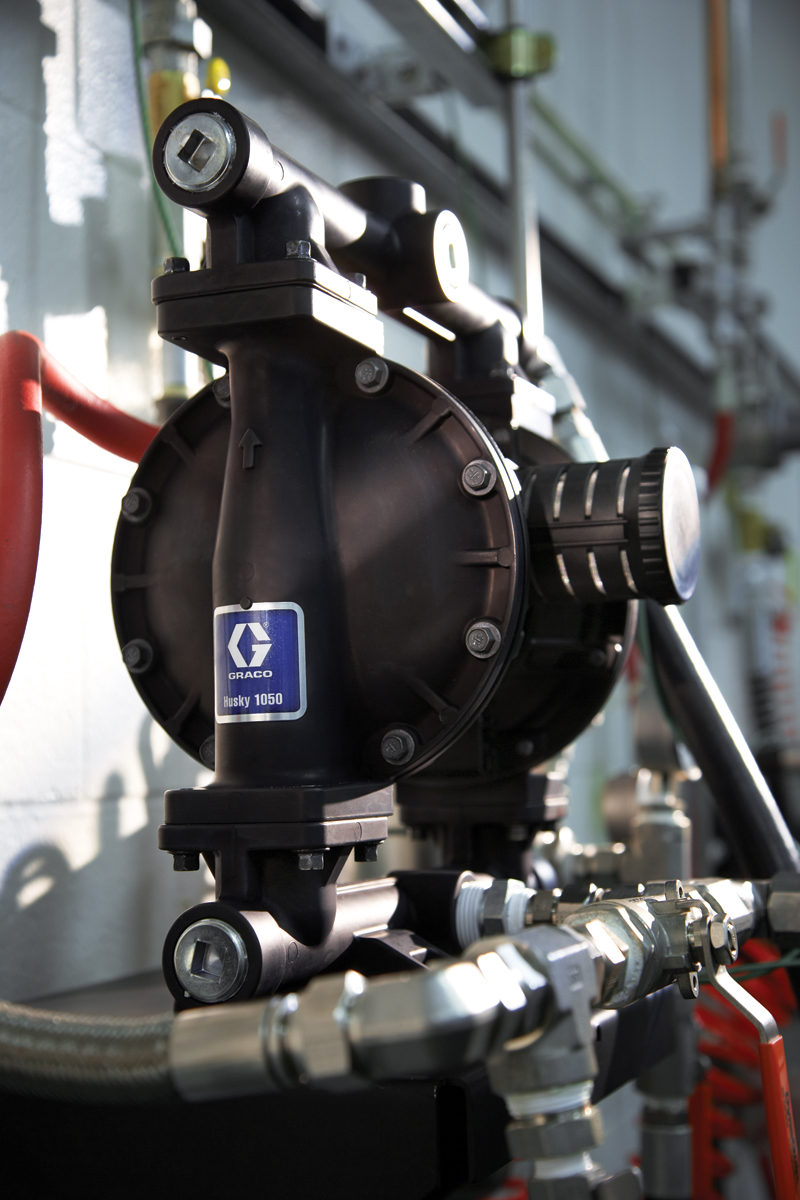
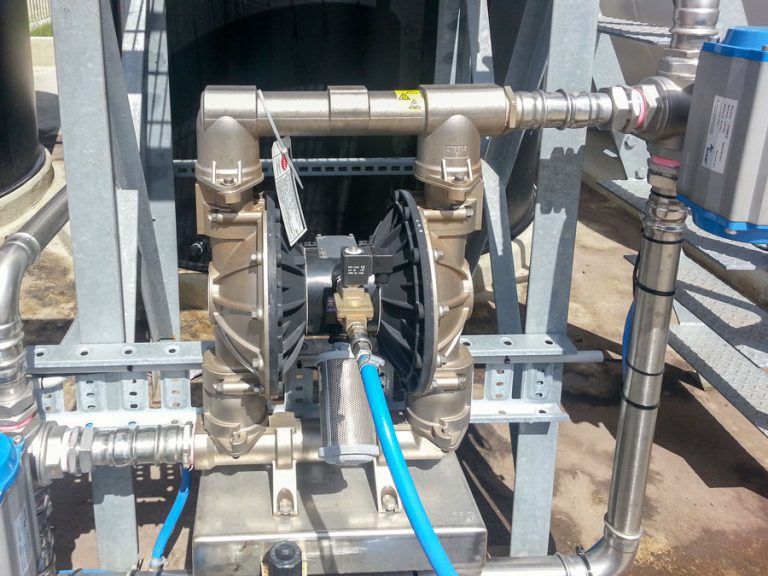
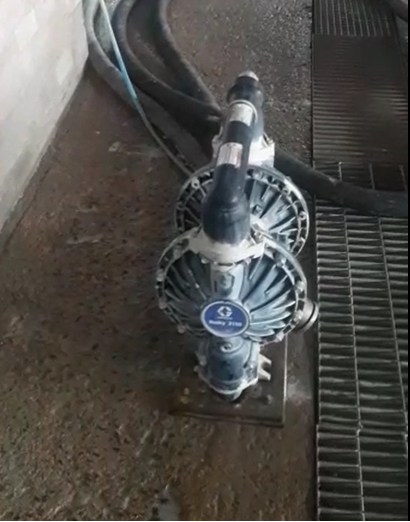
Noise in pneumatic pumps can be caused by wear, improper installation and lack of lubrication. Implementing preventive maintenance, measuring noise regularly and adopting solutions such as silencers are essential to ensure efficiency and safety in the work environment.
O noise in bomba pneumatics it can be a nuisance and a sign of bigger problems. Often ignored, noise can impact equipment efficiency and even workers' health. In this article, we'll explore the causes of noise, how to measure it, and different solutions to help keep your pumps running quieter and more efficiently.
Causes of Noise in Pneumatic Pumps
O noise in pneumatic pump It can be caused by several factors, ranging from mechanical problems to improper installation issues. Identifying the source of the noise is crucial to ensuring efficient equipment operation and preventing long-term damage.
Component Wear
Over time, the pump's internal components, such as diaphragms and valves, can wear out. This wear and tear can result in excessive vibrations and loud noises during operation. Regular maintenance is essential to detect and replace worn parts before they become a bigger problem.
Incorrect Installation
Improper installation can lead to misalignment and unnecessary stress on pump components. This not only increases noise, but can also reduce the life of the equipment. It is important to follow the manufacturer's guidelines and ensure the pump is installed correctly.
Excessive Air Pressure
Operating the pump at air pressures higher than those recommended may generate excessive noise. This occurs because the pump works harder than necessary, resulting in increased load and wear. Adjusting the operating pressure can help minimize noise.
Lack of Lubrication
Lack of adequate lubrication can cause friction between the pump's moving parts, resulting in loud noises. It is essential to follow the manufacturer's recommended lubrication schedule to ensure smooth and quiet operation.
Valve Problems
Valves that control the flow of air and fluids can be a source of noise if they are not working properly. Damaged or poorly adjusted valves can cause air leaks and unwanted noise. Inspecting and maintaining valves regularly is essential to avoid these problems.
How to Measure Noise in Pneumatic Pumps
Measure the noise in pneumatic pumps It is essential to ensure that equipment is operating efficiently and within acceptable standards. There are several techniques and tools that can be used to perform this measurement.
Measuring Equipment
To measure noise, it is common to use a decibel meter, which is a device designed to capture and quantify sound pressure levels. It is important to choose a model that has an adequate measurement range for the type of noise you expect to encounter.
Measurement Location
The location where the measurement is performed is also crucial. The ideal is to position the decibel meter at a distance of at least one meter from the pump, at an angle of 45 degrees in relation to the noise source. This helps to obtain a more accurate and representative reading of the noise level.
Environmental Conditions
Environmental conditions can affect noise measurements. It is recommended to carry out measurements in a controlled environment, away from other sources of noise that could interfere with the results. Furthermore, temperature and humidity can influence the performance of measuring equipment.
Interpretation of Results
After taking measurements, it is important to interpret the results correctly. Noise levels above 85 decibels can be harmful to health and indicate that the pump needs maintenance or adjustments. Comparing the results to industry standards can help determine if the pump is operating within acceptable limits.
Documentation and Monitoring
Keeping a record of noise measurements over time is critical to monitoring the health of your pneumatic pump. This allows you to identify trends and act proactively before problems become serious. Documenting measurements can also be useful for audits and compliance with safety regulations.
Impacts of Noise on Operation
O noise in pneumatic pumps It's not just a matter of hearing discomfort; it can have significant impacts on equipment operation and efficiency. Understanding these impacts is essential to ensuring a safe and productive work environment.
Reduction of operational efficiency
High noise levels may indicate that the pump is operating inefficiently. This can result in greater energy consumption and, consequently, higher operating costs. When the pump is not working properly, greater effort may be required to maintain the desired pressure and flow.
Accelerated wear of components
Excessive noise is usually a sign that there are mechanical problems, such as component wear. This wear and tear can lead to premature failure, requiring more frequent maintenance and increasing operating costs. Early identification of problems can help avoid unscheduled downtime.
Impact on Employee Health
Working in an environment with high noise levels can affect employees' health. Prolonged exposure to noise above 85 decibels can cause hearing loss and increase stress. It is essential to implement measures to control noise and protect the health of workers.
Product Quality Compromise
In applications where precision is crucial, excessive noise can compromise the quality of the final product. Vibrations and noise can affect process consistency, resulting in defective products. Monitoring and controlling noise is vital to maintaining quality standards.
Regulations and Compliance
Companies must be aware of occupational health and safety regulations that limit noise levels in work environments. Failure to comply with these standards may result in penalties and affect the company's reputation. Implementing solutions to reduce noise is a legal and ethical responsibility.
Solutions to Reduce Noise
Reduce the noise in pneumatic pumps is critical to improving operational efficiency and ensuring a safe working environment. There are several solutions that can be implemented to mitigate noise and improve equipment performance.
Regular maintenance
Preventative maintenance is one of the best ways to reduce noise. Inspecting and replacing worn components, such as diaphragms and valves, can help prevent problems that generate excessive noise. A well-defined maintenance schedule is essential.
Proper Installation
Correct pump installation is crucial to minimize noise. Make sure the pump is level and properly aligned. Using anti-vibration mounts can help absorb vibrations and reduce noise transmitted into the environment.
Use of Silencers
Installing silencers on the air outlets of pneumatic pumps can be an effective solution to reduce noise. These devices help dissipate sound and control air pressure, resulting in quieter operation.
Pressure control
Maintaining the operating pressure within the limits recommended by the manufacturer is essential. Adjusting the pressure to appropriate levels can reduce the strain on the pump and, consequently, the noise generated during operation.
Employee Training
Training employees on the importance of noise control and best operating practices can significantly contribute to reducing noise. Well-trained employees can identify problems early and take steps to minimize the impact of noise in the workplace.
Preventive Maintenance and Noise in Pneumatic Pumps
A preventive maintenance is an essential practice to ensure the efficient functioning of pneumatic pumps and minimize noise generated during operation. Implementing a regular maintenance program can help identify and fix problems before they become serious.
Importance of Preventive Maintenance
Preventive maintenance helps extend pump life and reduce repair costs. By carrying out regular inspections, it is possible to detect wear on components, leaks and other problems that can cause increased noise.
Regular inspections
Carrying out periodic inspections is essential. Check components such as diaphragms, valves and air connections. Early detection of wear or damage can prevent failures and the need for corrective maintenance, which is generally more expensive.
Proper lubrication
Lubrication is a critical aspect of preventive maintenance. Well-lubricated components operate more smoothly, reducing friction and, consequently, noise. Follow the manufacturer's recommendations for the frequency and type of lubricant to be used.
Team training
Training the team on the importance of preventive maintenance and how to carry it out correctly is vital. Well-trained employees can identify noise problems and act quickly to resolve them, ensuring a safer and more efficient work environment.
Documentation and Monitoring
Keeping detailed records of maintenance activities helps you monitor pump performance over time. This allows you to identify patterns and predict when maintenance will be required, helping to reduce noise and improve operational efficiency.
Conclusion on Noise in Pneumatic Pumps
Noise in pneumatic pumps is an important aspect that should not be ignored. It can affect equipment efficiency and workers' health. Implementing solutions to reduce noise, such as preventive maintenance and proper installation, is essential.
Additionally, measuring and monitoring noise regularly helps identify problems before they become serious. With the correct practices, it is possible to guarantee a safer and more productive work environment.
Therefore, investing in strategies to control noise not only improves pump operation, but also contributes to employee satisfaction and safety.
FAQ – Frequently asked questions about noise in pneumatic pumps
What are the main causes of noise in pneumatic pumps?
The main causes include component wear, improper installation, excessive air pressure, lack of lubrication and valve problems.
How can I measure the noise in my pneumatic pump?
You can measure the noise using a decibel meter, positioning it at the appropriate distance from the pump and at the correct angle to obtain accurate readings.
What are the impacts of noise on the operation of pneumatic pumps?
Noise can reduce operational efficiency, cause accelerated wear of components, affect employee health and compromise product quality.
What solutions can I implement to reduce noise?
Solutions include regular maintenance, proper installation, use of mufflers, pressure control and staff training.
How important is preventive maintenance for noise in pneumatic pumps?
Preventative maintenance helps identify and correct problems before they become serious, extending pump life and reducing repair costs.
How can noise affect workers' health?
Prolonged exposure to high noise levels can cause hearing loss, stress and other health problems, making noise control in the workplace essential.