Corrosive fluid pumps are essential in industries dealing with aggressive liquids. They ensure safety and efficiency in handling, being made with corrosion resistant materials. Proper choice and maintenance is crucial to optimizing your performance and prolonging life.
If you work with ** corrosive chemical fluid pumps **, you know how important it is to choose the right equipment. These devices are essential in various industries, from chemistry to petrochemistry, offering safe and efficient solutions for the handling of challenging fluids. In this post, we will explore what are the corrosive fluid pumps, their applications, advantages and maintenance tips.
What is a corrosive chemical fluid pump?
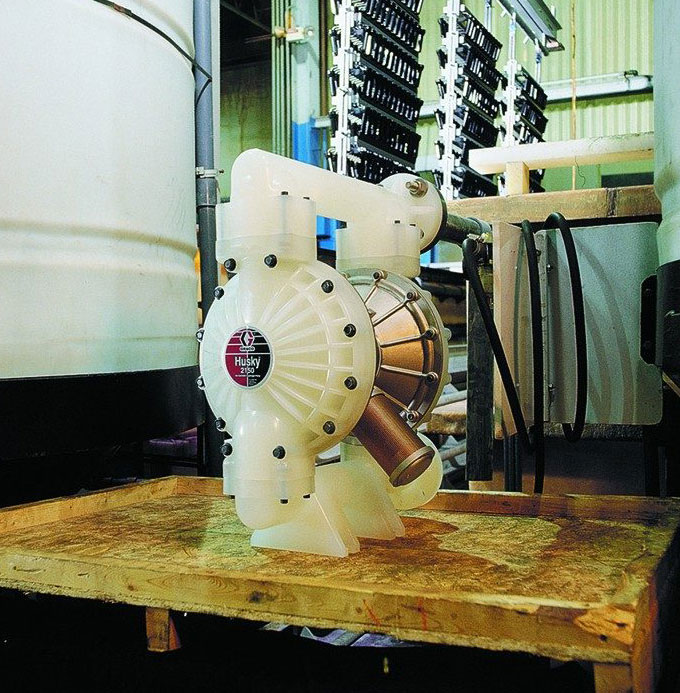
One bomba for corrosive chemical fluid It is equipment designed specifically to transfer and handle liquids that have corrosive properties. These fluids may include acids, bases and solvents that, if not treated properly, can cause significant damage to equipment and structures. Pumps are made of corrosion resistant materials such as stainless steel, special plastics and metal alloys, ensuring durability and safety during operation.
These pumps are widely used in chemical, petrochemical, pharmaceutical and water treatment industries, where secure handling of aggressive fluids is crucial. The choice of pump type depends on factors such as fluid viscosity, operating temperature and pressure required for transportation.
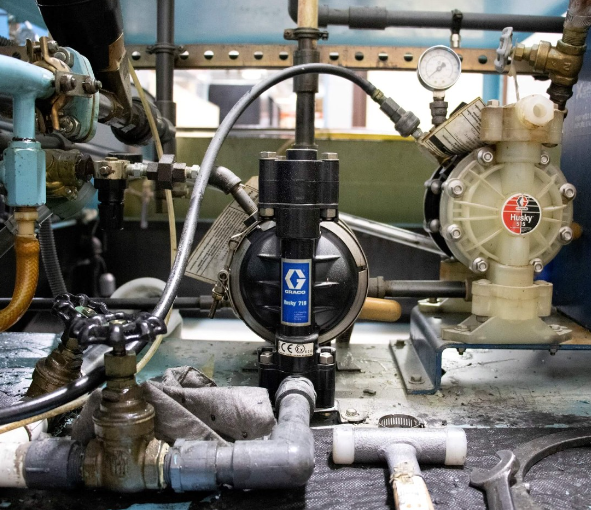
In addition, corrosive fluid pumps can be classified into different types, such as diaphragm pumps, centrifugal and peristaltics, each with its specific characteristics and applications. The correct selection of pump type is critical to ensuring the efficiency and safety of the industrial process.
Main applications of corrosive chemical pumps
As corrosive chemical bombs They are essential in several industries due to their ability to safely and efficiently handle aggressive fluids. Among the main applications, stand out:
- Chemical Industry: Used to transfer acids, bases and solvents in processes of manufacturing and treatment of chemicals.
- Petrochemical industry: Employed in the transport of corrosive fluids during oil extraction and refining.
- Water treatment: Used to pump chemicals needed in water purification and disinfection, such as chlorine and fluoride.
- Pharmaceutical industry: Applied to the handling of chemicals that require strict safety standards and contamination control.
- Food industry: Used in processes that involve cleaning and sanitizing equipment, where corrosive chemicals are required.
These applications demonstrate the versatility and importance of corrosive fluid pumps in critical sectors, where safety and efficiency are paramount.
Advantages of using corrosive fluids pumps
Or use of corrosive fluid pumps It offers several advantages that are essential for safety and efficiency in industrial processes. Among the main benefits, stand out:
- Security: These pumps are designed with corrosion resistant materials, minimizing the risk of leaks and accidents, which is crucial when dealing with dangerous substances.
- Durability: Made to support aggressive environments, corrosive fluid pumps have a long life, reducing the need for frequent substitutions.
- Efficiency: They are optimized to operate at high pressures and temperatures, ensuring effective performance in fluid transport, which improves operations productivity.
- Versatility: These pumps can be used in a variety of applications, from chemical industry to water treatment, easily adapting to the specific needs of each sector.
- Ease of maintenance: Many corrosive fluid pumps are designed to facilitate maintenance, allowing interventions to be performed quickly and with fewer operations interruptions.
These advantages make corrosive fluid pumps an intelligent choice for industries that need safe and efficient solutions for the handling of aggressive liquids.
How to choose the ideal chemical pump
Choose the Ideal chemical pump For corrosive fluids is a crucial task that can impact the efficiency and safety of industrial operations. Here are some factors to consider when making this choice:
- Type of fluid: Identify fluid properties such as viscosity, temperature and corrosivity. This will help determine the most suitable pump type, such as centrifugal, diaphragm or peristaltics.
- Construction Material: Pumps should be made of corrosion resistant materials such as stainless steel or special plastics to ensure durability and safety.
- Capacity and pressure: Evaluate the required pumping capacity and operating pressure. The bomb must be able to meet the demands of your system without compromising performance.
- Ease of maintenance: Opt for pumps that offer easy access for maintenance and repair. This can reduce inactivity time and operating costs.
- Certifications and standards: Make sure the pump meets safety standards and industry regulations. This is critical to ensuring compliance and safety in operations.
Considering these factors, you can select the ideal chemical pump that meets the specific needs of your application, ensuring efficiency and safety in handling corrosive fluids.
Maintenance tips for corrosive fluid pumps
The proper maintenance of corrosive fluid pumps It is essential to ensure your performance and prolong your useful life. Here are some important tips for maintaining these pumps:
- Regular inspection: Perform periodic inspections to verify signs of wear, corrosion or leaks. This helps identify problems before they become severe.
- Cleaning: Keep the pump clean and free of waste. The accumulated dirt can affect performance and cause damage to the equipment.
- Lubrication: Check the lubrication points and apply appropriate lubricants according to the manufacturer's recommendations. This reduces friction and wear of moving parts.
- Valve verification: Inspect the input and output valves to ensure that they are working properly. Damaged valves can cause leaks and compromise safety.
- Performance Tests: Perform regular tests to verify pump efficiency. Monitor the pressure and flow to ensure the pump is operating within the specifications.
By following these maintenance tips, you can ensure that your corrosive fluid pumps operate safely and efficiently, minimizing the risk of failures and increasing system reliability.
FINAL CONSIDERATIONS ON CORROSIVE FLUIDS
Corrosive fluid pumps play a vital role in various industries, ensuring safe and efficient handling of aggressive liquids. When choosing the ideal pump, it is important to consider factors such as fluid type, building material and operating capacity.
Regular maintenance of these pumps is essential to ensure their performance and extend their useful life. Inspections, cleaning and lubrication are practices that help prevent failure and maintain safety in operations.
With the information and tips presented, you will be better prepared to make informed decisions about using and maintaining corrosive fluids, contributing to the efficiency and safety of your industrial processes.
FAQ - Frequently asked questions about corrosive fluids
What are the main types of corrosive fluid pumps?
The main types include centrifugal, diaphragm and peristaltics pumps, each suitable for different fluid applications and characteristics.
How can I guarantee safety when using corrosive fluid pumps?
It is important to perform regular inspections, keep the pump clean and follow the manufacturer's recommendations to avoid leaks and accidents.
Which material is best suited for corrosive fluid pumps?
Materials such as stainless steel and special plastics are ideal as they offer corrosion resistance and durability.
How often should I maintain the bombs?
Maintenance should be performed regularly, with periodic inspections and cleaning as needed to ensure the ideal performance.
What are the signs that a corrosive fluid pump needs maintenance?
Signs include leaks, unusual noises, decreased efficiency and increased operating pressure.
Is it possible to use corrosive fluid pumps in outdoor environments?
Yes, but it is necessary to ensure that the pump is suitable for environmental conditions and is protected against elements that may cause damage.