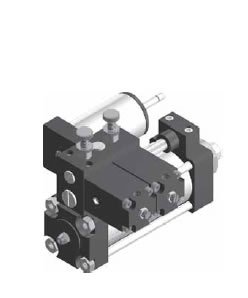
Reducing air consumption in pneumatic diaphragm pumps is crucial to increasing efficiency, saving costs and minimizing environmental impact. Implementing strategies such as regular maintenance, pressure adjustment and operator training can optimize the use of compressed air, resulting in more sustainable operations.
Reducing air consumption in pneumatic diaphragm pumps is crucial to improving energy efficiency in various industrial applications. When you manage to minimize this consumption, you not only save resources, but also contribute to a more sustainable environment.
Understanding how diaphragm pumps work
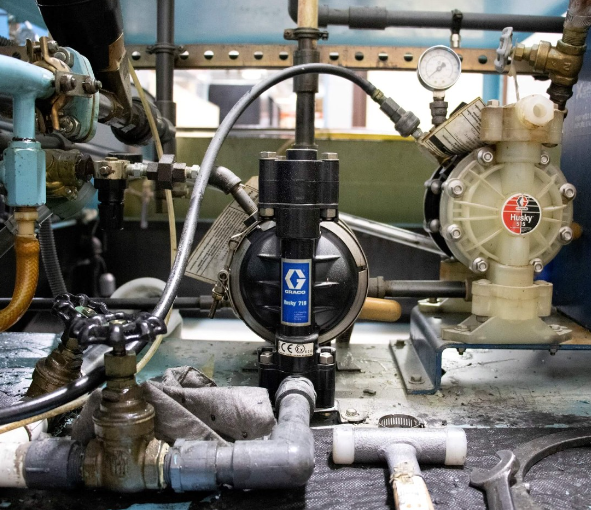
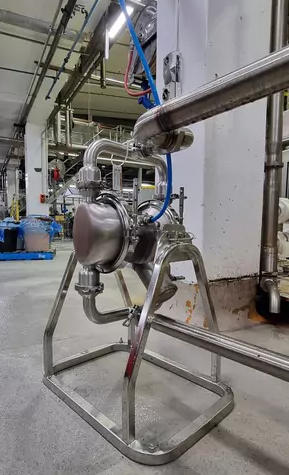
As pneumatic diaphragm pumps They are essential devices in various industries, used to transfer liquids and gases efficiently. The operation of these pumps is based on the principle of positive displacement, where a flexible diaphragm moves back and forth, creating a suction and pressure action.
How Diaphragm Pumps Work
These pumps operate through a compressed air system that drives the diaphragm. When air is introduced into a chamber, it pushes the diaphragm downward, forcing fluid out of the chamber outlet. bomba. When the air is released, the diaphragm returns to its original position, creating a vacuum that draws more fluid into the pump.
Main Components
The main components of a diaphragm pump include the diaphragm, the inlet and outlet valves, and the pump body. The diaphragm is generally made of flexible and resistant materials, such as rubber or plastic, which withstand pressure and corrosion from fluids. Valves ensure that fluid only flows in one direction, preventing backflow.
Advantages of Diaphragm Pumps
One of the main advantages of diaphragm pumps is their ability to handle viscous and abrasive fluids, as well as being self-priming. This means they can operate in a wide range of applications, from chemical handling to sludge transfer. Furthermore, its simple construction makes maintenance and operation easy.
Understanding how diaphragm pumps work is essential to optimize their use and reduce air consumption, ensuring greater efficiency and savings in industrial operations.
Causes of excessive air consumption
Excessive air consumption in pneumatic diaphragm pumps It can be caused by several factors that affect the efficiency of the system. Identifying these causes is essential to optimize performance and reduce operational costs.
System Leaks
One of the main reasons for high air consumption is the presence of leaks in connections and hoses. These leaks not only increase compressed air consumption, but can also compromise the pump's efficiency. Regularly inspecting connections and replacing damaged components is essential.
Inadequate Operating Pressure
Another common cause is inadequate operating pressure. If the pressure is too high, the pump may consume more air than necessary. It is important to adjust the pressure according to the manufacturer's specifications and the needs of the process.
Worn Components
Worn components such as diaphragms and valves can lead to increased air consumption. When these components are not working properly, the pump may need more air to operate efficiently. Performing preventive maintenance and replacing worn parts is essential to maintain efficiency.
Improper Use of the Pump
Improper use of the pump, such as operating outside of recommended specifications, can also result in excessive air consumption. It is crucial to follow the manufacturer's guidelines and train operators to ensure the pump is used correctly.
Understanding the causes of excessive air consumption is the first step to implementing effective solutions and ensuring diaphragm pumps operate efficiently and cost-effectively.
Strategies to optimize air consumption
To optimize air consumption in pneumatic diaphragm pumps, it is essential to implement effective strategies that guarantee efficiency and cost reduction. Here are some approaches you can take.
Regular maintenance
Regular pump maintenance is crucial to ensure all components are working properly. Inspecting and replacing worn parts, such as diaphragms and valves, helps prevent leaks and maintain system efficiency.
Operating Pressure Adjustment
Maintaining operating pressure within the manufacturer's recommended specifications is essential. Pressure adjustments can significantly reduce air consumption. Use pressure gauges to monitor pressure and make adjustments as necessary.
Operator Training
Training operators to use pumps properly is an important strategy. They must understand how the pump works and what practices can help minimize air consumption, such as avoiding idling and operating within recommended pressure ranges.
Implementation of Control Systems
Using automated control systems can help monitor and optimize compressed air usage. These systems can automatically adjust pump operation based on demand, preventing wasted air.
Adopting these strategies not only improves the efficiency of diaphragm pumps, but also contributes to sustainability and reduced operating costs in industries.
Advantages of reducing the use of compressed air
Reducing the use of compressed ar in pneumatic diaphragm pump systems brings several advantages that positively impact both operational efficiency and environmental sustainability.
Cost Savings
One of the main advantages is cost savings. Lower compressed air consumption results in reduced electricity bills and system maintenance costs. This translates into a significant financial impact for companies.
Improving Energy Efficiency
Reducing the use of compressed air also improves the energy efficiency of the system. With less air being used, pumps operate more efficiently, which can increase equipment life and reduce the need for maintenance interventions.
Lower Environmental Impact
With the reduction in compressed air consumption, there is a reduction in the operation's carbon footprint. This contributes to more sustainable practices and helps companies meet their environmental responsibility goals.
Greater System Reliability
When the use of compressed air is optimized, the system becomes more reliable. This means fewer unscheduled downtime and greater continuity in operations, resulting in a more productive work environment.
Therefore, investing in strategies to reduce the use of compressed air not only brings economic benefits, but also promotes a more sustainable and efficient operation.
Conclusion: The Importance of Reducing Air Consumption in Diaphragm Pumps
Reducing air consumption in pneumatic diaphragm pumps is essential to improving efficiency and sustainability in industrial operations. Advantages include cost savings, greater energy efficiency, lower environmental impact and greater system reliability.
Implementing strategies to optimize the use of compressed air not only brings financial benefits, but also contributes to a more productive and sustainable work environment. Therefore, investing in reducing air consumption is an important step for any company looking to improve its operations and stand out in the market.
FAQ – Frequently asked questions about reducing air consumption in pneumatic diaphragm pumps
What are the main benefits of reducing air consumption in diaphragm pumps?
Key benefits include cost savings, greater energy efficiency, lower environmental impact and greater system reliability.
How can I identify leaks in my diaphragm pump system?
Regularly inspect connections and hoses, and use leak detection solutions, such as soap or specific products, to locate leak points.
How important is regular maintenance on diaphragm pumps?
Regular maintenance ensures that all components function correctly, preventing leaks and increasing system efficiency.
How does operating pressure affect air consumption?
Maintaining operating pressure within recommended specifications helps prevent excessive air consumption, improving pump efficiency.
What type of training should operators receive to optimize the use of compressed air?
Operators must be trained on how pumps work, proper operating practices, and how to identify and correct problems that may increase air consumption.
What strategies can I implement to reduce compressed air use?
Strategies include regular maintenance, adjusting operating pressure, training operators and implementing automated control systems.