Pneumatic pumps are essential in several industries, offering efficiency, versatility and ease of maintenance. With trends like automation and sustainability, choosing bomba The right solution can optimize processes and reduce operating costs, ensuring optimal performance in industrial applications.
**Pneumatic pumps in industry** have revolutionized the sector, making processes more efficient and practical. The use of **paper** in these pumps is an innovation that promises not only optimization, but also sustainability for business. In this article, we will discuss what these pumps are, the advantages of paper, their applications and how to select the best pneumatic pump for your needs.
What are pneumatic pumps?
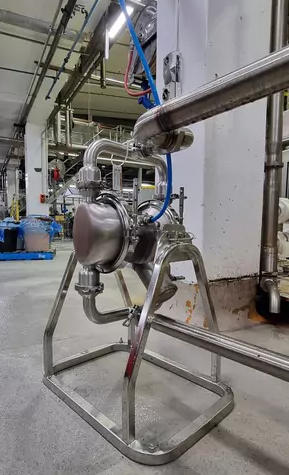
As pneumatic pumps are devices that use compressed air to move fluids from one place to another. They are widely used in industry due to their efficiency and versatility. The operation of these pumps is based on air compression, which creates pressure that pushes the fluid through the system.
How pneumatic pumps work
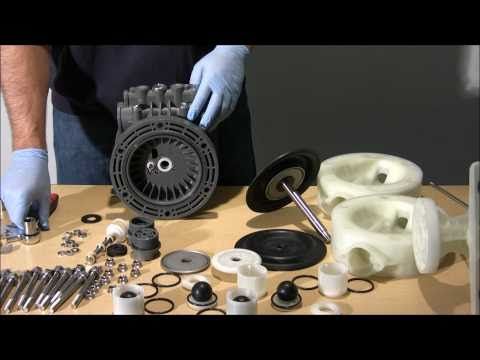
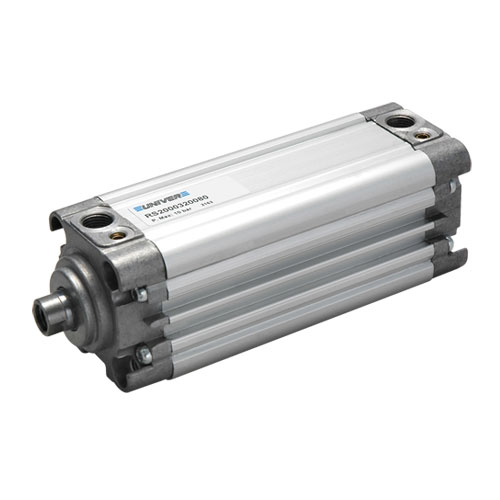
These pumps operate through a compression and decompression cycle. Compressed air is introduced into a cylinder, where it pushes against a diaphragm or piston, creating a vacuum that sucks fluid into the pump. Then the air is released, forcing the fluid out of the pump outlet.
Types of Pneumatic Pumps
There are several types of pneumatic pumps, including diaphragm, piston and screw pumps. Each type has its own characteristics and is suitable for different applications. For example, diaphragm pumps are ideal for viscous liquids, while piston pumps are better suited for applications that require high pressure.
Advantages of pneumatic pumps
One of the main advantages of pneumatic pumps is their ability to operate in hazardous environments where electricity can be a risk. Furthermore, they are easy to maintain and offer a long service life. Energy efficiency is also a positive point, as they consume less energy compared to other types of pumps.
Common applications
Pneumatic pumps are used in various industries, such as food, pharmaceutical and petrochemical. They are ideal for transporting liquids, gases and even suspended solids. Their versatility makes them a popular choice in industrial automation systems.
Advantages of using paper in pneumatic pumps
Or use of paper nas pneumatic pumps brings several advantages that can optimize industrial processes. Firstly, paper is a light and flexible material, which facilitates the manufacture of components that can be easily shaped to meet different needs.
Cost reduction
One of the main advantages of using paper is cost reduction. Compared to other materials such as plastics or metals, paper is generally cheaper and more accessible. This allows companies to save money on their operations without compromising quality.
Sustainability
Paper is a biodegradable material, which contributes to more sustainable practices in the industry. By opting for paper components, companies can reduce their environmental impact and meet growing demands for environmentally friendly solutions.
Ease of maintenance
Pneumatic pumps that use paper are easier to maintain. Paper can be replaced quickly, minimizing machine downtime. This is crucial in industrial environments where efficiency is key.
Versatility
Paper can be used in various applications within pneumatic pumps, from filters to sealing components. This versatility allows companies to adapt their pumps to different fluids and operating conditions.
Performance Improvement
The use of paper in pneumatic pumps can improve the overall performance of the system. With the ability to create effective seals and reduce friction, pumps can operate more efficiently, resulting in better performance and greater durability.
Paper industry applications
As paper applications nas pneumatic pumps They are diverse and impact various industries. The use of paper in components of these pumps allows greater flexibility and efficiency in different industrial processes.
Food industry
In the food sector, paper is used in filters and seals, ensuring that products are transported safely and hygienically. The use of biodegradable materials helps meet food safety and sustainability standards.
Pharmaceutical
In the pharmaceutical industry, pneumatic pumps with paper components are essential for handling sensitive liquids. Paper can be used in filtration systems that guarantee the purity of products, preventing contamination.
Chemical industry
Applications in the chemical industry include the transport of chemicals in liquid form. Paper is used in seals and filters, providing resistance and safety when handling potentially dangerous substances.
Painting Industry
In the painting industry, pneumatic pumps with paper components are used for applying paints and coatings. The paper helps to create a uniform application, improving the quality of the final finish.
Pulp and Paper Industry
Interestingly, in the pulp and paper industry itself, pneumatic pumps play a crucial role. They are used to transport pulps and other materials, where the use of paper in components helps in the efficiency of the process.
How to choose the right pneumatic pump?
Choose the pneumatic pump Right is crucial to ensuring efficiency and effectiveness in industrial processes. There are several factors to consider when selecting the ideal pump for your specific needs.
Identify the Type of Fluid
The first step is to identify the type of fluid that will be handled. Pneumatic pumps are designed for different fluids, such as viscous liquids, gases or suspended solids. Knowing the properties of the fluid, such as viscosity and temperature, will help in choosing the appropriate pump.
Consider Pressure and Flow
The pressure and flow required for its application are critical factors. It is important to calculate the maximum pressure that the pump will need to withstand and the desired flow rate. This will ensure the pump works efficiently and meets the demands of your system.
Check Material Compatibility
The compatibility of pump materials with the fluid is essential to avoid corrosion and premature wear. Make sure that the materials used in the construction of the pump are suitable for the type of fluid that will be transported.
Analyze Available Space
The space available for installing the pump must also be considered. Some pumps may be larger or heavier, which may impact installation and maintenance. Check the dimensions and weight of the pump before making a decision.
Consider the Total Cost of Ownership
In addition to the initial price of the pump, it is important to consider the total cost of ownership, which includes maintenance, energy consumption and durability. A more expensive pump may be more economical in the long run if it requires less maintenance and is more energy efficient.
Future trends for industrial pneumatic pumps
As future trends for the industrial pneumatic pumps are shaping up in response to growing needs for efficiency, sustainability and automation. Technological evolution is driving innovations that promise to transform the sector.
Automation and Industry 4.0
The integration of pneumatic pumps with automation systems and Industry 4.0 is a growing trend. This includes using sensors and IoT (Internet of Things) to monitor pump performance in real time, enabling automatic adjustments and predictive maintenance.
Sustainability and Ecological Materials
With growing environmental concerns, there is a demand for more sustainable solutions. The use of environmentally friendly and biodegradable materials in pneumatic pumps is becoming a priority. This not only reduces environmental impact, but also meets the requirements of stricter regulations.
Energy efficiency
Energy efficiency is a central concern for many industries. New pneumatic pumps are being designed to consume less energy, using advanced technologies that improve performance without increasing operating costs.
Integration with Advanced Control Systems
Integrating pneumatic pumps with advanced control systems such as artificial intelligence and machine learning will enable smarter operation. These systems can optimize pump usage by automatically adjusting settings based on operating conditions.
Development of Smart Pumps
The development of smart pneumatic pumps, which can communicate with other devices and systems, is an emerging trend. These pumps will be able to provide analytical data on their performance, facilitating decision-making and maintenance.
Final Thoughts on Pneumatic Pumps
As pneumatic pumps They play a vital role in various industries, offering efficiency and versatility. Throughout this article, we explore their applications, advantages, and how to choose the right pump for your needs.
With future trends such as automation and sustainability, pneumatic pumps are adapting to meet the demands of the modern market. The adoption of innovative technologies can further improve the performance and efficiency of these pumps.
Therefore, when considering implementing pneumatic pumps into your operation, remember to carefully evaluate your needs and the options available. This will ensure you make the right choice and make the most of the benefits these technologies have to offer.
FAQ – Frequently asked questions about industrial pneumatic pumps
What are the main advantages of pneumatic pumps?
Pneumatic pumps offer efficiency, ease of maintenance and the ability to operate in hazardous environments, as well as being more energy efficient.
How do I choose the right pneumatic pump for my application?
It is important to consider the type of fluid, pressure, flow rate, material compatibility and the space available for installing the pump.
Which industries most use pneumatic pumps?
Pneumatic pumps are widely used in the food, pharmaceutical, chemical, paint and pulp and paper industries.
What are smart pneumatic pumps?
Smart pneumatic pumps are devices that can communicate with other systems and provide analytical data on their performance, facilitating maintenance and operation.
How is automation changing the use of pneumatic pumps?
Automation enables real-time monitoring and automatic adjustments, increasing efficiency and reducing the need for manual intervention.
What are the future trends for pneumatic pumps?
Trends include greater automation, use of sustainable materials, energy efficiency and integration with advanced control technologies.