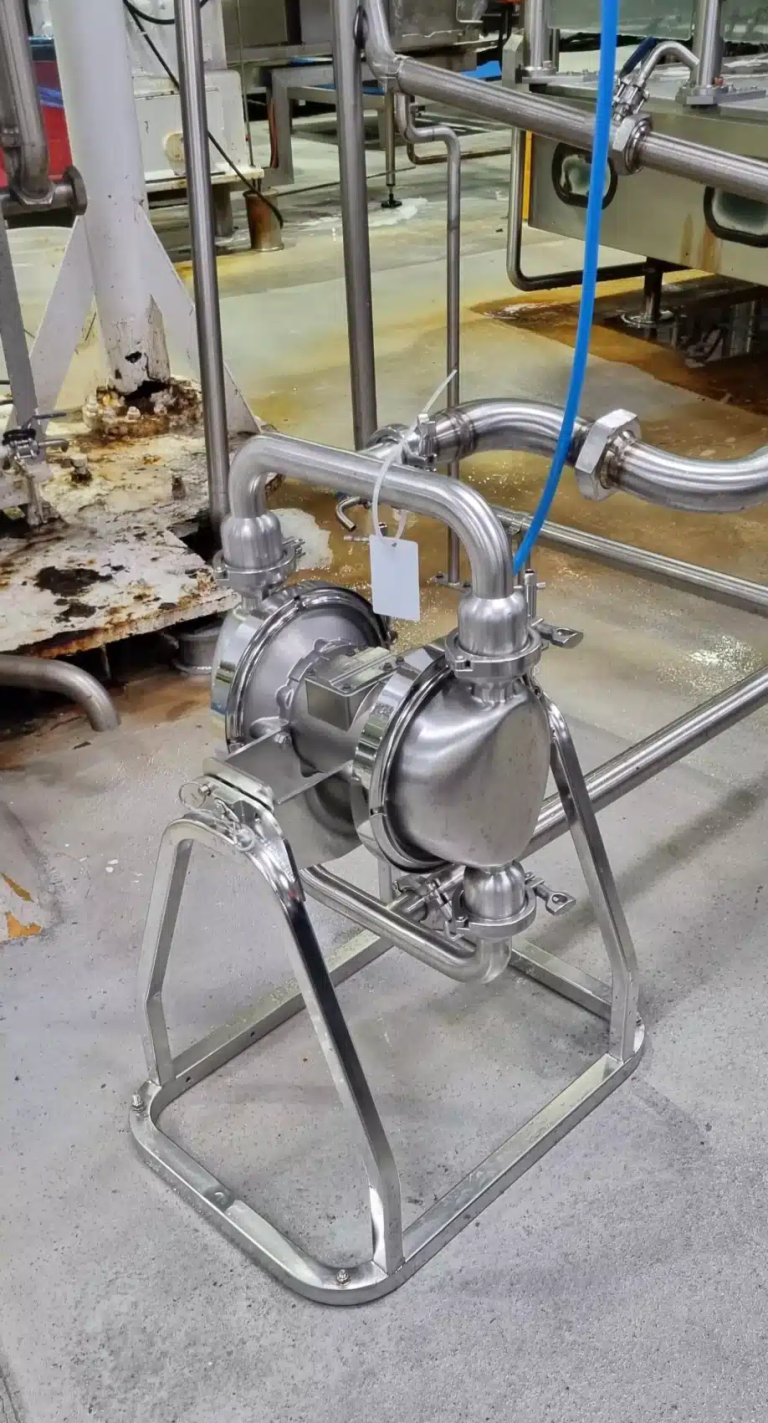
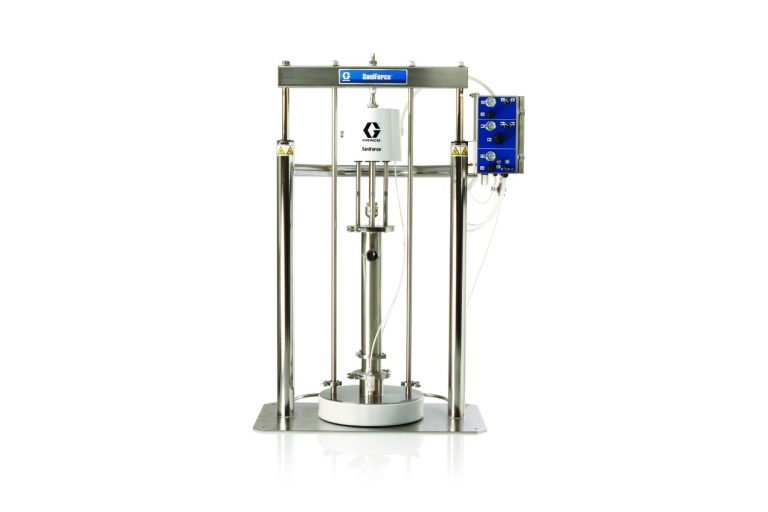
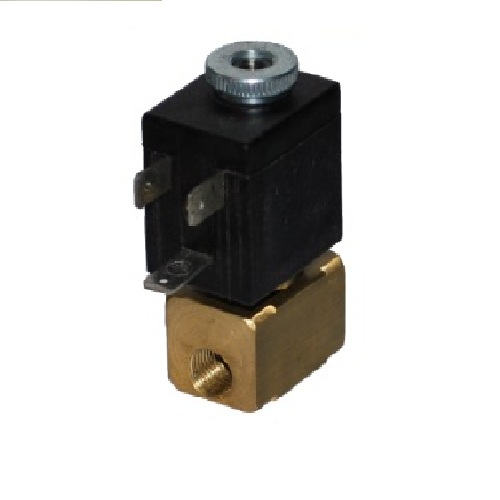
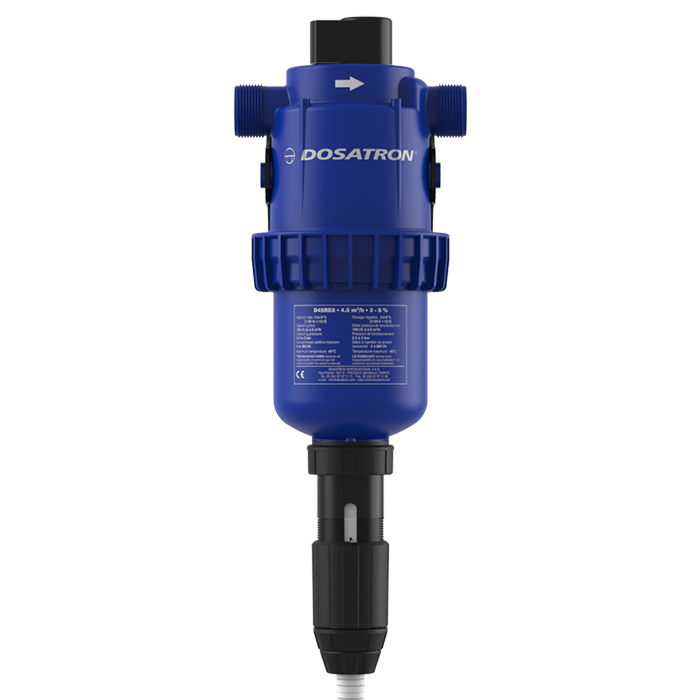
One of the most amazing things about diaphragm pneumatic pumps is its simplicity. It's amazing how these simple machines are powerful equipment that keeps factories in operation worldwide.
These workhorses can handle the most aggressive fluids in the harshest environments. Most can be submerged and are portable. They do not require electrical power and can be fully grounded. They also offer leak-free performance, are self-priming and can run dry without damaging the bomba or the system.
Perhaps the best of all, Aodd pumps come with a relatively low initial purchase price.
Since operating pneumatic diaphragm pumps costs more than buying them, it is vital that they have adequate maintenance to ensure that they are working as efficiently as possible.
Fortunately, keeping an AODD bomb is as simple as having some hand tools, observing how your pump operates with different fluids and possibly buying some pump accessories. Investing time and money in advance will save more in the long run.
Take a paper and pencil. And a key key.
Since each plant is unique and applications range, there is no standard diaphragm pneumatic pneumatic pump maintenance schedule. The best way to estimate the longevity of the bomb is to know its bomb.
Simply maintain notes on your pump, detailing how it responds to different fluids and tracking when you usually need maintenance, allows you to establish a preventive maintenance schedule.
A typical preventive maintenance program will include:
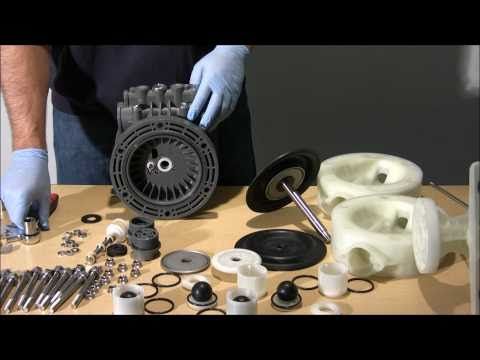
Periodically examine diaphragm wear and exchange them if necessary: Using a course counter is a good way to control approximately how many courses you can expect before a diaphragm needs to be replaced.
Checking pump hardware tightening: This can avoid damaged leaks and seals. The pump hardware tends to loosen over time due to temperature and vibration changes. Hardware torque specifications can be found in the operating manual. Do not tighten the hardware when the pump is under pressure.
Tip: If you are new to Aodd pumps, search the performance of pumps in your applications similar to yours. This can help you get an idea when your pump may need repairs on the damp side or air side.
Pure air is the key
The air distribution system is one of the most frequent maintenance parts of any AODD pump. The reason? Dirty air entering the bomb.
To keep your pump operating at the most efficient level possible – and to improve its lifespan – install an air filter/regulator unit, which will prevent moist, contaminated air from entering the pump. Regularly check the air filter as it can become dirty and clogged due to poor air quality.
Remember: Clean, regulated air is the key to trouble-free pump operation (learn more about regulating air below).
CONTROL THE AIR SUPPLY
Just as dirty air can hinder pump performance, air pressure can mean the difference between a pump running at full capacity and a pump that underperforms or doesn't work at all.
The air pressure controls the operating speed of an AODD pump and the amount of flow it produces. If the pump is receiving more pressure than necessary, it will operate with a very fast cycle, resulting in inefficient operation, additional pump wear and premature failure.
When installing an air filter / regulator, you can be sure that air pressure is proper. You want the fluid to have enough time to get in and out of each fluid chamber and the valve spheres properly. This will ensure that each course is completed and leads to the efficiency of the volumetric pump.
A liquid level controller is another accessory that can provide a safe and economical way to control AODD pumps (providing connecting / turn / alloy functionality). Liquid level controllers are mainly used in water and chemical reservoir applications. Its mechanics is simple: a pneumatic float switch turns on and off the air to the pump as the liquid level rises and descends.
Remember: the use of air filters / regulators and liquid controllers can save money on energy use and improve Diaphragm Life. Even more importantly, controlling air pressure can prevent premature failures, which can lead to product loss, face cleaning and unproversed inactivity time.
Routinely inspect the pump lines
As AODD pumps can deal with suspended and unusual solids, floating solids, line size solids, slamas and slams, they are used for some of the most severe applications in the world.
But no bomb can deal with all situations.
If you work in certain sectors, such as wastewater treatment or mining, you know you can expect the unexpected. In mining, it is common for rocks, twigs or other debris to accumulate and obstruct pump flow. Managers of wastewater treatment plants reported even dead animals blocking their lines.
Other potential line restrictions include line twisters, very long lines and closed or partially closed valves. Make sure the suction line is made of non-folding material. If the hose collapses or is pulled from the suction side of the pump, it will affect the performance and longevity of the pump. Also be aware of any filters or screens used on the suction side of the pump. As these items are obstructed, the bomb will fight to pull the product, which limits the flow and reduces the life of the diaphragm.
By ensuring that the lines are free from any restrictions, you can keep the AODD pumps running with maximum performance.
Remember: Aodd pumps are known as “Configure and Forget” pumps. However, they will work more efficiently and will have fewer maintenance problems if you routinely check the suction side and pump discharge side.
Install a pulse suppressor
Aodd pump pulsation suppressors essentially eliminate undesirable pumping pulsation as well as provide virtually discharge flow free pulse to more stable pressure with less vibration and system noise.
Providing more stable pressure reduces wear and tear of the pipe system and maximizes efficiency.
Remember: As mentioned above, peaks on the input pressure can damage the diaphragms. Outbreak suppressors are available in a variety of sizes and materials, are easy to install and can keep your pump running longer.
Leak control to save time and money
Leaks are the worst enemy of a factory manager. When fluid spill, cleaning can be expensive, lines need to be closed, factory staff may be exposed to hazardous chemicals and product loss means loss of revenue.
Proper pump maintenance can reduce the probability of leaks, but if one occurs, time is everything. The sooner you know of a leak, the faster you can take steps to reduce your impact.
An electronic leakage detector detects the pumped liquid entering the pump chambers. Indicating lights and / or a alarm signal fluid entered the aircraft. Electronic leakage detectors can be connected to a pump shutdown device, which can close the air supply.
Tip: Electronic leakage detectors are safe, reliable, can be used in a variety of applications and, most importantly, are their first line of leakage defense.
The proper maintenance of a pump pays
As with any industrial equipment, the maintenance of a pump paid dividends throughout your life.
Proper maintenance increases pump efficiency and performance, extends its useful life, reduces inactivity time and decreases the possibility of uncomfortable and expensive leaks.
In short, keeping your Aodd bomb saves time and money.
Click here and access our maintenance manual session.