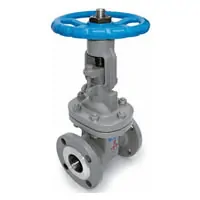
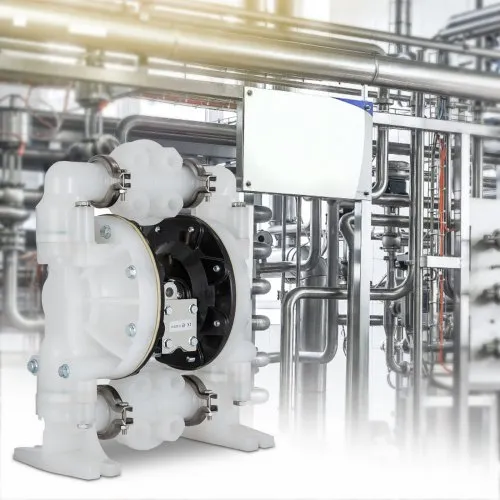
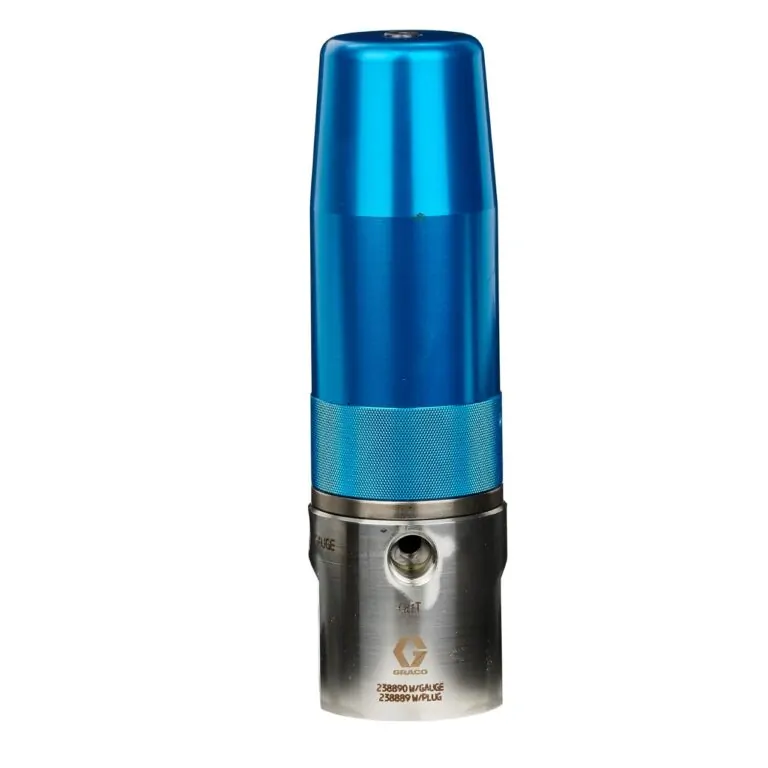
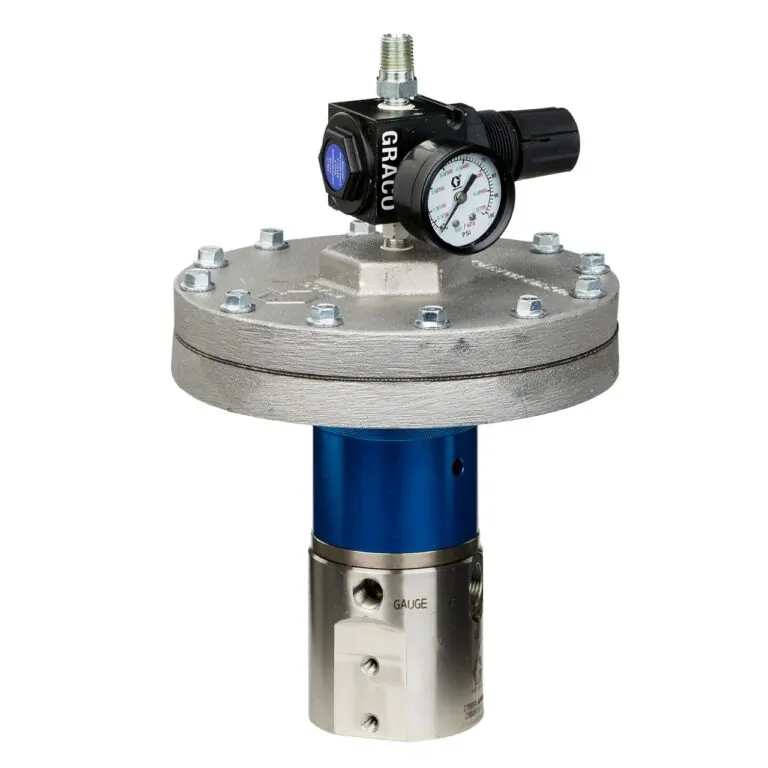
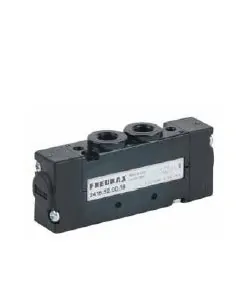
Direct contact sealing in valves is an effective method that minimizes leaks and improves efficiency in hydraulic systems. With advantages such as ease of maintenance and versatility, it is widely used in critical industries, ensuring the integrity and performance of equipment.
A sealing direct contact valve It is a crucial aspect in hydraulic systems that guarantees efficiency and safety in the operation of different structures. In this article, we'll explore what this fence is, the types available, and how to choose the ideal option for your needs. Also understand the advantages that this type of seal can offer for the durability and performance of valves in various applications.
What is direct contact sealing in valves?
A direct contact sealing on valves refers to the sealing method where the sealing surfaces meet directly, creating an effective barrier against leaks. This type of seal is widely used in hydraulic and pneumatic systems where pressure and efficiency are crucial.
Valves that use direct contact sealing are designed to withstand high pressures and temperatures, ensuring that fluid does not escape. The choice of seal material is essential, as it must be compatible with the fluid in question and resistant to wear.
Types of Sealing Materials
The most common materials used in direct contact sealing include rubber, PTFE (polytetrafluoroethylene) and metals. Each material has specific characteristics that make it suitable for different applications. For example, PTFE is known for its chemical resistance, while rubber offers flexibility and adaptability.
Common applications
Valves with direct contact seals are often found in industries such as petrochemicals, pharmaceuticals and food, where system integrity is vital. They are used in processes that require precise control of flow and pressure, ensuring safety and operational efficiency.
Advantages of Direct Contact Sealing
One of the main advantages of direct contact sealing is its ability to provide an airtight closure, minimizing the risk of leaks. Additionally, this type of seal can be easier to maintain and replace, contributing to the longevity of the equipment.
Main types of seals in hydraulic systems
There are different types of sealing in hydraulic systems, each designed to meet specific performance and security needs. Choosing the type of seal is crucial to guarantee the efficiency of the system and avoid unwanted leaks.
O-Ring Seal
Os O-Rings are one of the most common types of fence. They are rubber rings that fit into a groove, creating an effective seal between two surfaces. They are widely used due to their simplicity and effectiveness in a variety of applications.
Diaphragm Seal
A diaphragm seal uses a flexible membrane that deforms to seal the space between moving parts. This type of seal is ideal for applications that require precise flow control and is commonly found in control valves.
Sealing Metal Seals
As metal seals They are used in high pressure and temperature applications. They offer superior durability and resistance to extreme conditions and are often used in heavy industries and critical equipment.
Bellows Seal
Os foles are used to seal components that move in opposite directions. They are designed to withstand repetitive movements and are effective in environments where the seal must adapt to variations in pressure and temperature.
How to choose the correct seal for your valve
Choose the correct seal for your valve It is essential to ensure system performance and durability. There are several factors to consider when making this decision.
1. Know the Fluid
The first step is to understand the type of fluid that will be used. Different fluids have different properties, such as viscosity and corrosivity, which can affect the choice of seal material. For example, aggressive chemical fluids may require sealing in materials such as PTFE.
2. Assess Pressure and Temperature
Operating conditions such as pressure and temperature are also crucial. Each sealing material has specific pressure and temperature limits. Make sure the seal you choose can withstand the conditions of your system without failing.
3. Consider Valve Type
The type of valve in which the seal will be installed also influences the choice. Ball, butterfly and globe valves may have different sealing requirements. Check the manufacturer's specifications to ensure compatibility.
4. Cost-Benefit Analysis
Finally, it is important to carry out a cost-benefit analysis. Although more expensive sealing materials may offer better performance and durability, it is necessary to evaluate whether the investment is worth it for the specific application. Sometimes a more economical seal may be sufficient for less demanding applications.
Advantages of direct contact sealing for efficiency
A direct contact seal offers several advantages that contribute to the efficiency of hydraulic and pneumatic systems. This type of seal is designed to guarantee an airtight closure, minimizing leaks and improving the overall performance of the equipment.
1. Reducing Leaks
One of the main advantages of direct contact sealing is its ability to significantly reduce the risk of leaks. This is crucial in applications where system integrity is vital, as leaks can cause fluid loss and increase operating costs.
2. Improved Energy Efficiency
With fewer leaks, systems that use direct contact sealing operate more efficiently, resulting in lower energy consumption. This not only reduces operating costs, but also contributes to more sustainable practices.
3. Ease of Maintenance
Direct contact seals are generally easier to maintain and replace. This translates into less downtime and reduced maintenance costs, allowing operations to continue without significant interruptions.
4. Versatility in Applications
This type of seal is versatile and can be used in a wide range of applications, from control valves to fluid transport systems. Its adaptability to different operating conditions makes it a popular choice in many industries.
Final Considerations on Direct Contact Sealing
Direct contact sealing is an effective solution to ensure efficiency in hydraulic and pneumatic systems. With its advantages, such as reducing leaks and improving energy efficiency, this type of seal stands out in several industrial applications.
Furthermore, ease of maintenance and versatility in different operating conditions make direct contact sealing a smart choice for companies looking to optimize their processes.
Investing in quality fencing can result in safer, more cost-effective operations, contributing to the long-term success of your business.
FAQ – Frequently asked questions about direct contact sealing in valves
What is direct contact sealing in valves?
Direct contact sealing is a method where sealing surfaces meet directly, creating an effective barrier against leaks.
What are the main types of seals in hydraulic systems?
The main types include O-Rings, diaphragm seal, metal seal and bellows seal, each with its specific characteristics.
How do I choose the correct seal for my valve?
It is important to consider the fluid type, pressure, temperature and valve type when choosing the appropriate seal.
What are the advantages of direct contact sealing?
Advantages include reduced leaks, improved energy efficiency, ease of maintenance and versatility in applications.
In which industries is direct contact sealing commonly used?
This type of seal is widely used in industries such as petrochemical, pharmaceutical and food, where system integrity is crucial.
Is the direct contact seal easy to maintain?
Yes, direct contact seals are generally easier to maintain and replace, resulting in less downtime.