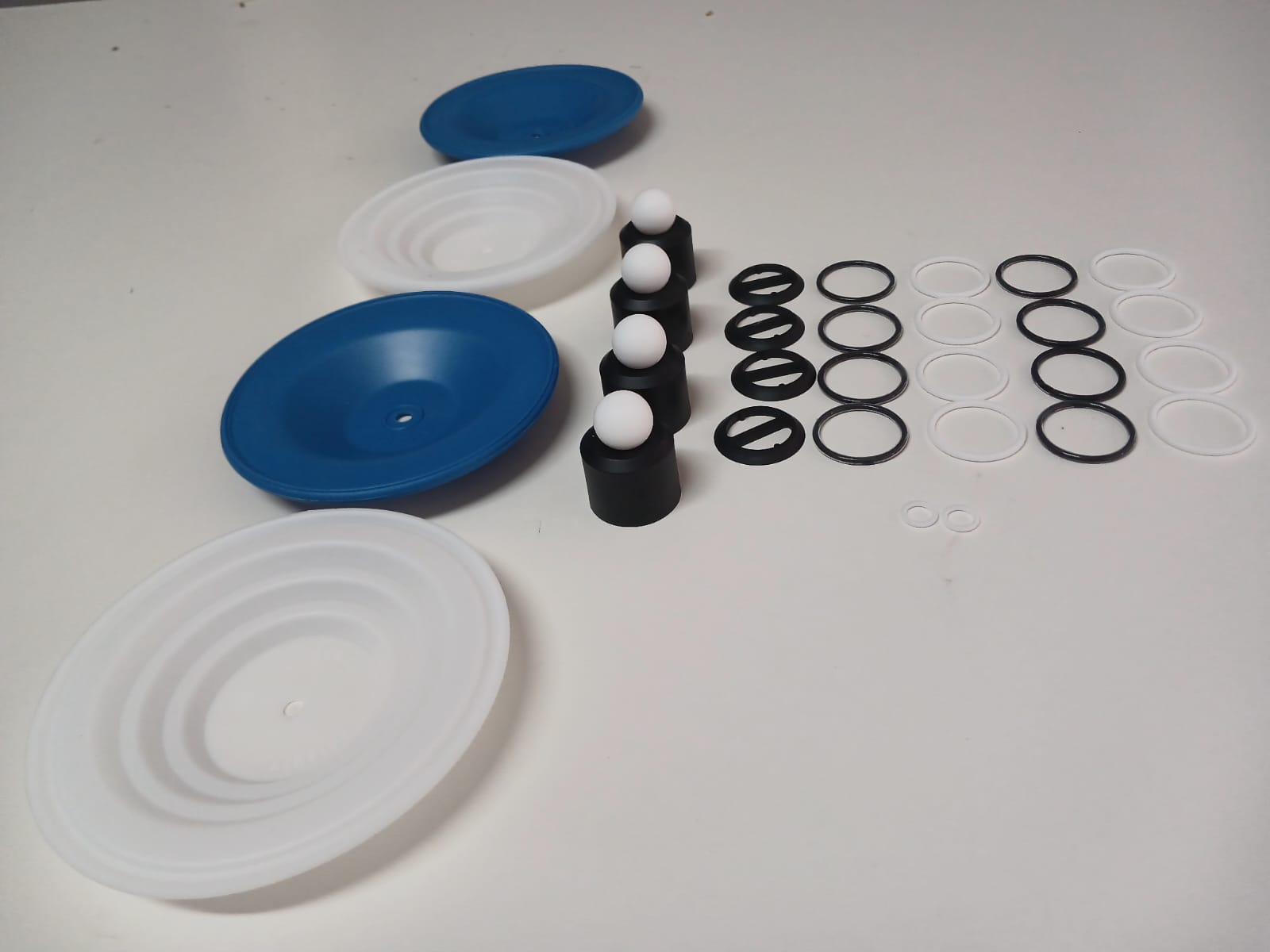
Choosing the right material for pneumatic diaphragm pumps is crucial to ensure efficiency and durability. Consider factors such as chemical compatibility, operating conditions and durability when selecting the material, avoiding common mistakes that can compromise equipment performance.
Choosing the right material for pneumatic diaphragm pumps It is crucial to ensure efficiency and longevity in its operation. If you are in doubt about which material to choose, know that this decision can directly impact the performance of the equipment. In this article, we'll explore the factors you should consider when selecting specific materials for your pumps, from chemical compatibility to wear resistance.
Material and durability of diaphragm pumps
O material used in pneumatic diaphragm pumps It is essential to guarantee its durability and efficiency. Different applications require specific materials that can withstand varying conditions such as pressure, temperature and chemical compatibility.
Common Material Types
The most common materials include plastic, aluminum e stainless steel. Each of them has unique characteristics that make them suitable for different environments. For example, plastic is lightweight and resistant to corrosion, while stainless steel offers greater mechanical strength and durability.
Impact of Durability on Performance
The durability of the material directly impacts the performance of the bomba. Poor quality materials can lead to premature failures, resulting in unscheduled downtime and additional maintenance costs. Therefore, it is crucial to choose a material that supports the demands of your process.
Considerations in Choosing Material
When selecting the material, consider factors such as nature of the fluid being pumped, temperature of operation and the pressure maximum. Performing a detailed analysis will help prevent future problems and ensure the pump operates efficiently throughout its useful life.
Impact of the environment on the choice of material
O environment in which the pneumatic diaphragm pumps operate plays a crucial role in the choice of material. Factors such as temperature, humidity and the presence of chemical substances can affect the durability and efficiency of the equipment.
Temperature and Humidity
Environments with extreme temperatures may require specific materials that withstand these conditions. For example, materials that work well in high temperatures may not be suitable for cold environments. Moisture can also cause corrosion in certain materials, making it essential to choose corrosion-resistant options.
Chemical compatibility
Another important aspect is the chemical compatibility. If the pump is used to pump corrosive or reactive fluids, the material must be chosen based on resistance to these products. Inadequate materials can lead to failures and leaks, resulting in high costs and safety risks.
Operating Conditions
Operating conditions, such as pressure and vibration, also influence the choice of material. Materials that withstand high pressures and that are flexible enough to absorb vibrations are preferable in industrial environments. Careful analysis of these conditions will help ensure selection of the most suitable material.
Comparison between common materials
When choosing materials for pneumatic diaphragm pumps, it is important to understand the differences between the most common materials used. Each material has characteristics that make it more or less suitable for specific applications.
Plastic
Plastic is a lightweight, corrosion-resistant material, ideal for applications in less aggressive environments. It is often used in pumps that handle non-corrosive fluids. However, its mechanical strength is lower compared to metals, which may limit its use in high pressure applications.
Aluminum
Aluminum is a material that combines lightness and resistance. It is more durable than plastic and can withstand moderate pressure. Additionally, aluminum is corrosion resistant but may not be suitable for highly corrosive fluids. It is a good choice for industrial applications that require a balance between weight and strength.
Stainless steel
Stainless steel is known for its high strength and durability. It is ideal for applications involving corrosive fluids or high pressures. Although it is heavier and more expensive than other materials, its longevity and resistance to adverse conditions justify the investment in demanding industrial environments.
General Comparison
In summary, the choice between plastic, aluminum and stainless steel must be based on the specific operating conditions and the fluids to be handled. Each material has its advantages and disadvantages, and careful analysis of these characteristics will help ensure you select the most appropriate material for your pneumatic diaphragm pump.
Common mistakes when choosing material
Choose the appropriate material for pneumatic diaphragm pumps is crucial, but there are common mistakes that can compromise the efficiency and durability of the equipment. Knowing these errors can help you avoid future problems.
1. Ignore Chemical Compatibility
One of the most frequent mistakes is not considering the chemical compatibility of the material with the fluid to be pumped. Unsuitable materials can degrade quickly, causing leaks and system failures. Always check the material specifications in relation to the fluid.
2. Not Assessing Operating Conditions
Another common mistake is not taking into account operating conditions, such as temperature and pressure. Each material has specific limits, and exceeding these limits may result in failure. It is essential to choose a material that can withstand the conditions of the working environment.
3. Underestimating the Importance of Durability
Some users may opt for cheaper materials without considering durability. Although they may save money initially, in the long run, maintenance and replacement costs can be much higher. Investing in high-quality materials is essential for the longevity of the equipment.
4. Lack of Technical Consulting
Finally, many make the mistake of not seeking technical advice when choosing the material. Experienced professionals can offer valuable guidance and help you avoid inappropriate choices. Consulting experts can ensure you make the best choice for your specific needs.
Final Considerations on Choosing Material for Pneumatic Diaphragm Pumps
Choosing the right material for pneumatic diaphragm pumps It is essential to ensure the efficiency and durability of the equipment. By considering factors such as chemical compatibility, operating conditions and durability, you can avoid common mistakes that can lead to failures and additional costs.
Furthermore, seeking technical advice can be an important step to ensure you make the best choice. With the correct information, it is possible to optimize the performance of your pumps and extend their useful life.
Therefore, invest time in selecting the appropriate material and ensure that your pumps operate reliably and efficiently.
FAQ – Frequently asked questions about choosing materials for pneumatic diaphragm pumps
Qual é a importância da compatibilidade química na escolha do material?
A compatibilidade química é crucial porque materiais inadequados podem se degradar rapidamente, causando vazamentos e falhas no sistema.
Como as condições de operação afetam a escolha do material?
As condições de operação, como temperatura e pressão, influenciam diretamente a durabilidade e a eficiência do material escolhido.
Quais são os materiais mais comuns utilizados em bombas de diafragma?
Os materiais mais comuns incluem plástico, alumínio e aço inoxidável, cada um com suas características específicas para diferentes aplicações.
Por que é importante evitar materiais de baixa qualidade?
Materiais de baixa qualidade podem levar a falhas prematuras, resultando em custos adicionais de manutenção e substituição.
Como posso evitar erros comuns na escolha do material?
Consultar especialistas e realizar uma análise detalhada das necessidades do seu sistema pode ajudar a evitar erros na escolha do material.
Quais são os benefícios de investir em materiais de alta qualidade?
Investir em materiais de alta qualidade garante maior durabilidade, eficiência e menor necessidade de manutenção, resultando em economia a longo prazo.