The 5 most important factors when choosing a diaphragm pump
If you work in the industrial sector, chances are that a bomba be a crucial part of your manufacturing and production processes. Choosing the right pump can optimize your operation, reduce downtime, and save time and money.
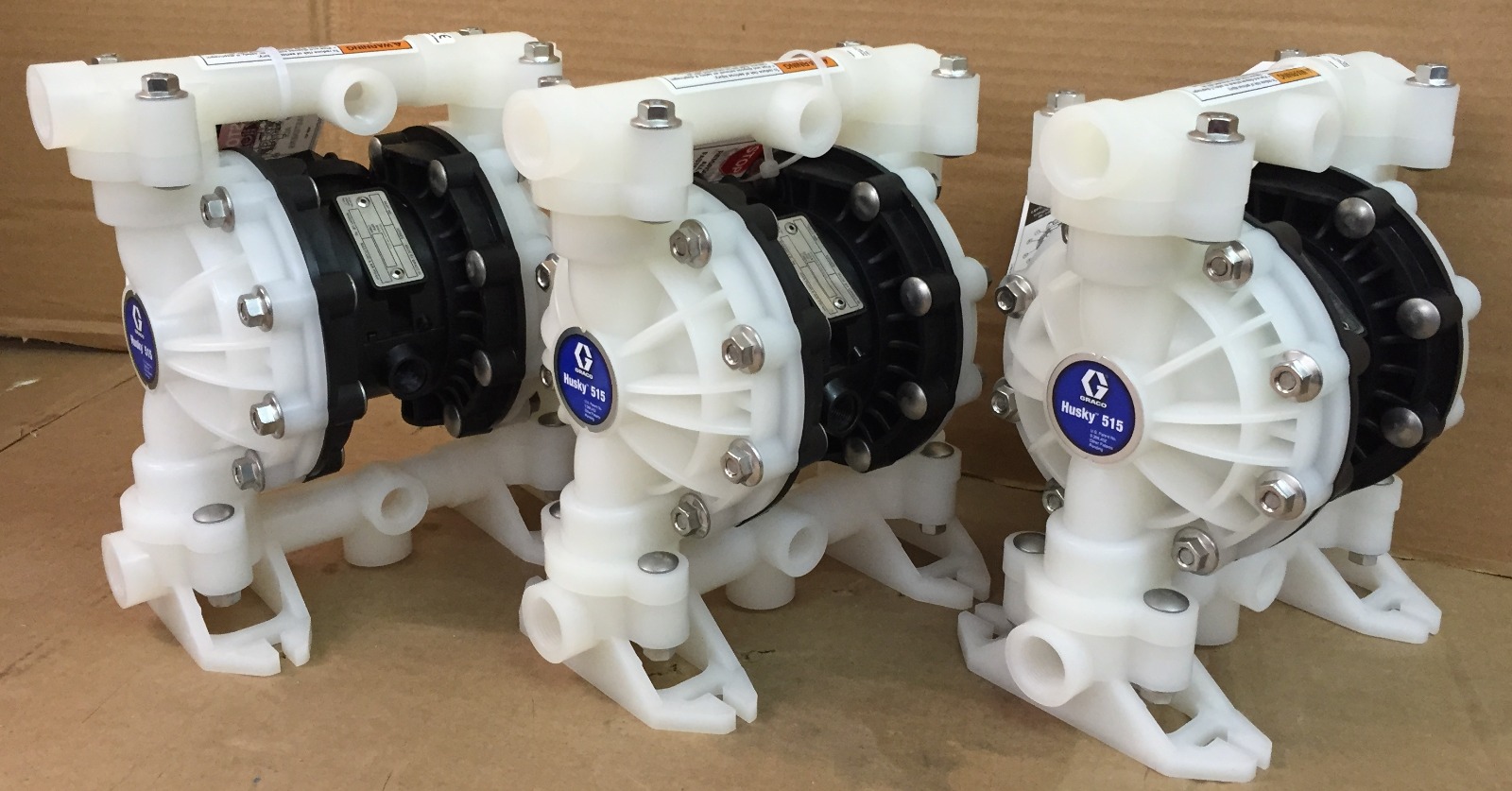
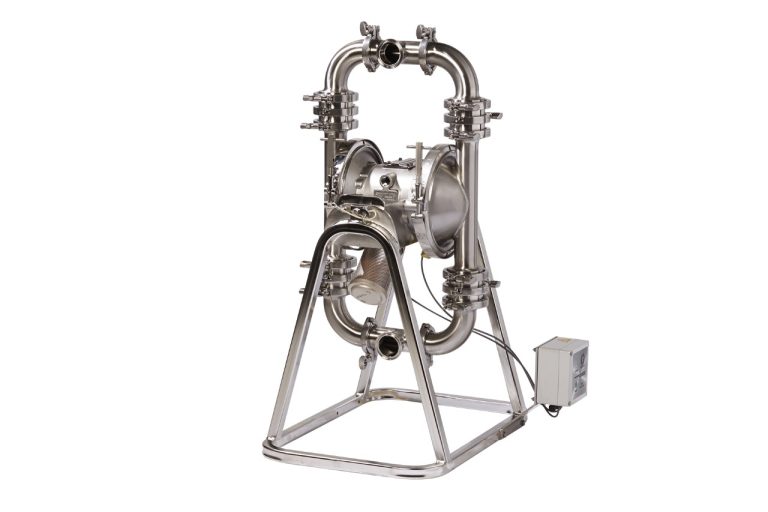
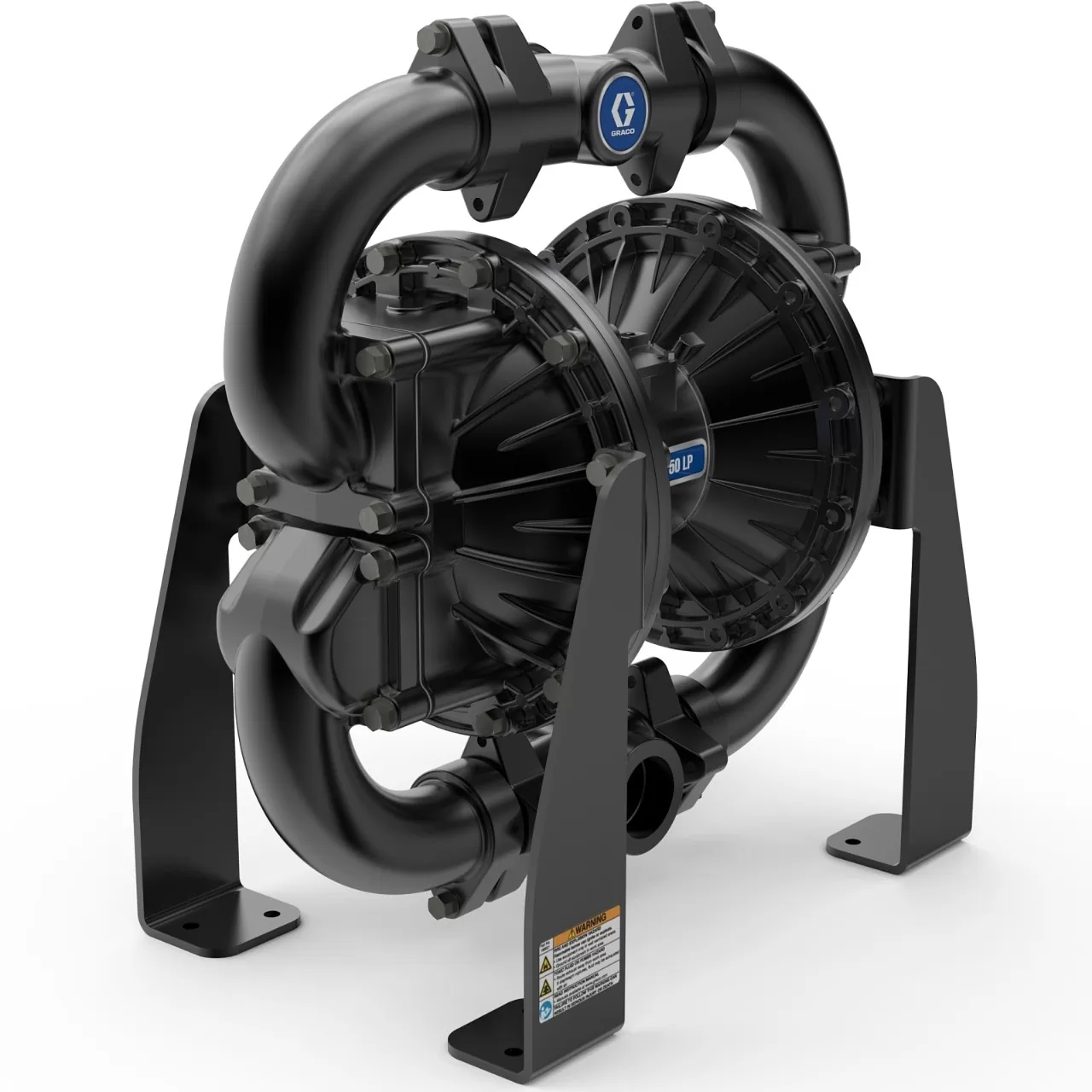
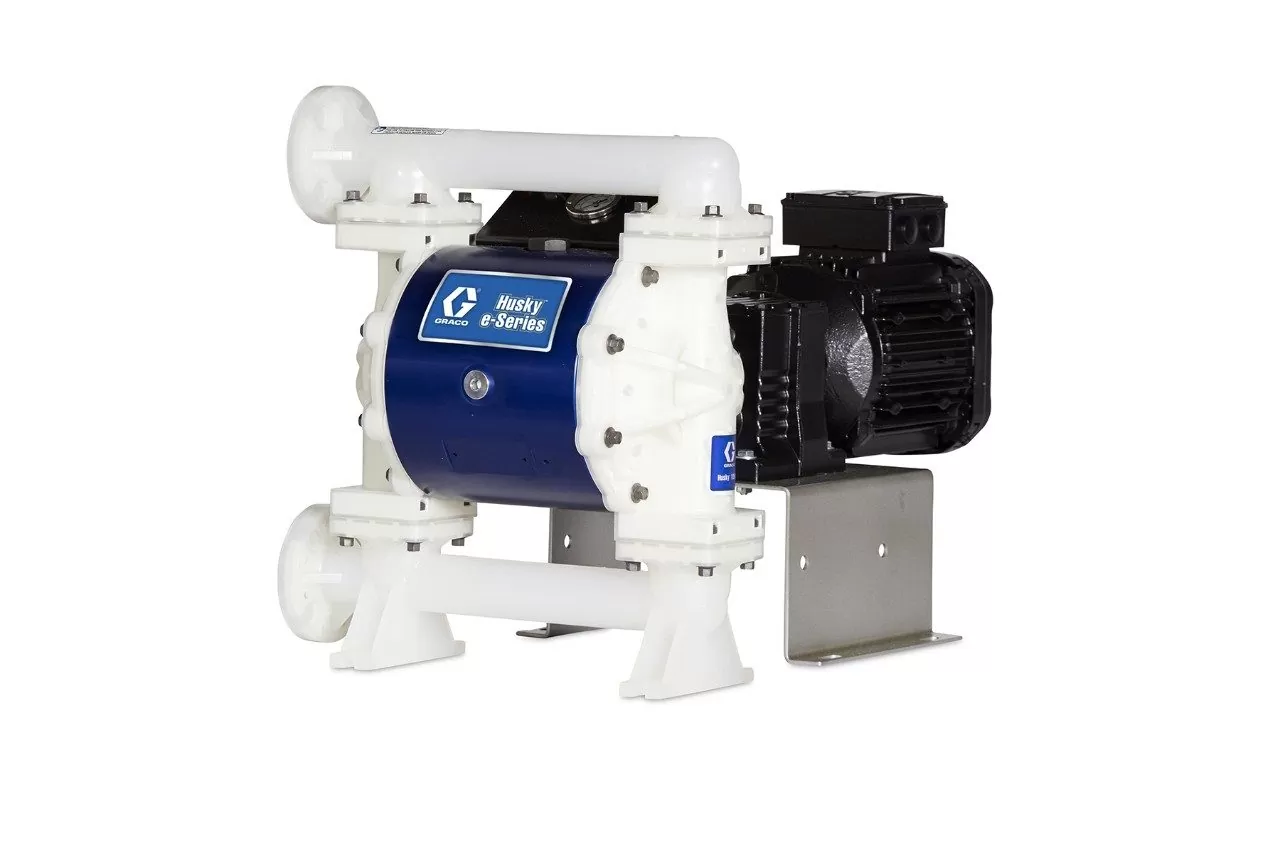
However, one type of industrial pump has consistently stood out as the market leader in terms of reliability, durability and versatility – we are talking about the Diaphragm pumps, also known as AODD bombs.
When choosing a diaphragm pump (AODD), several factors must be considered to ensure optimal performance, reliability and efficiency.
Diaphragm pumps are commonly used in a variety of industries, including chemical, food and beverage, pharmaceutical and water treatment, due to their versatility, ease of use and ability to handle a wide range of fluids. In this post, we will discuss the five most important factors to consider when choosing an AODD pump, including the type of fluid pumped, fluid viscosity, fluid temperature, pump construction materials, and pump pressure and flow requirements.
By understanding these key factors and selecting the proper pump for your application, you can ensure safe and efficient pumping operations while minimizing downtime and maintenance costs.
Diaphragm pumps for all industries
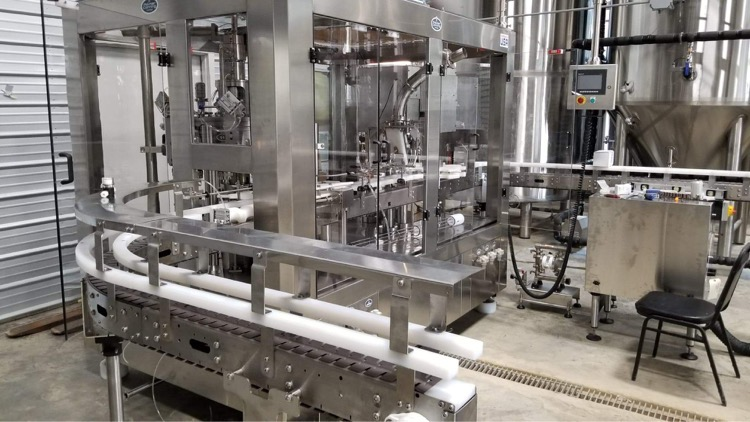
Diaphragm pumps, or AODD, are widely used for transferring fluids in a variety of markets, including water, wastewater, chemicals, food and beverage, textiles, construction, mining, petroleum and more.
In addition to being extremely versatile, diaphragm pumps can also be used in a variety of locations within an industrial operation, including elevated suction, submerged, and flooded suction positions.
When deciding on the best diaphragm pump for your application, consider these five important factors:
1-Type of pumped fluid
2-Fluid viscosity
3-Pressure
4-Flow
5-Fluid temperature
1- Type of fluid pumped
The type of fluid being pumped is an essential factor when choosing a diaphragm pump, as different fluids have unique properties that can affect the pump's performance and longevity. For example, some fluids can be corrosive or abrasive, which can cause rapid wear on internal pump components. Other fluids may be viscous or thick, requiring a more powerful pump with a larger inlet and outlet diameter. Additionally, some fluids may contain solids or particles that can clog pump valves or cause blockages in the pump's flow path.
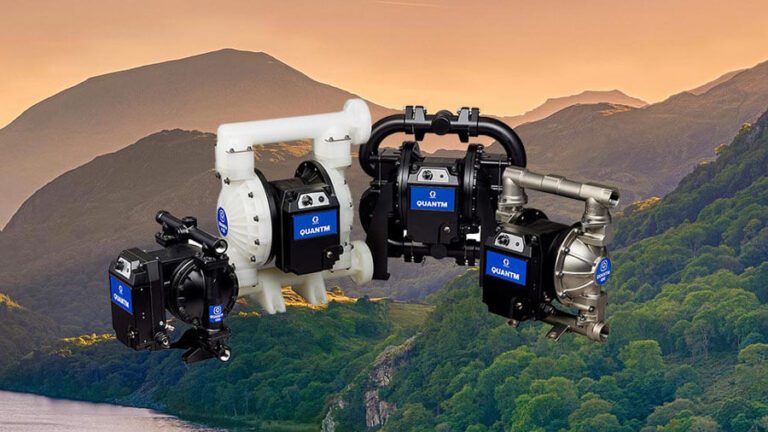
Diaphragm pumps are designed to handle a wide range of fluids, including corrosive, abrasive and viscous fluids, making them suitable for use in a variety of industries. However, it is essential to select the appropriate pump material and construction to ensure compatibility with the fluid being pumped. For example, pumps constructed from materials such as stainless steel or polypropylene may be better suited to handling corrosive fluids, while pumps with greater valve clearances or self-priming capabilities may be better suited to pumping viscous fluids.
In summary, the type of fluid pumped is a critical factor when choosing an AODD pump as it can impact the performance, reliability and life of the pump. Proper pump selection and configuration can help ensure safe pumping and fluid efficiency, while minimizing downtime and maintenance costs.
2- Fluid viscosity
Fluid viscosity is an important factor to consider when choosing an AODD pump as it affects flow, pressure and pump efficiency. Viscosity refers to a fluid's resistance to flow, and high-viscosity fluids require more energy to pump compared to low-viscosity fluids. AODD pumps are designed to handle fluids with varying viscosity levels, from low viscosity fluids such as water to high viscosity fluids such as molasses.
When selecting an AODD pump for a specific application, the pump's flow and pressure requirements must be compatible with the viscosity properties of the fluid. Higher viscosity fluids may require a larger diameter pump inlet and outlet or a more powerful pump with a larger air motor to provide sufficient flow and pressure. AODD pumps with adjustable flow and pressure settings can also be beneficial when pumping fluids with varying viscosities.
Fluid viscosity also affects pump efficiency, as high viscosity fluids can cause increased friction and resistance within the pump, leading to decreased efficiency and increased energy consumption. Therefore, it is essential to select a pump that is specifically designed to handle the viscosity of the fluid being pumped in order to ensure optimal performance and efficiency.
In short, considering the viscosity of the fluid being pumped is crucial when choosing an AODD pump, as it affects the pump's flow rate, pressure, and efficiency, which can impact the overall performance and operating costs of the pumping system.
3- Flow
Why is flow rate the third most important factor when choosing a diaphragm pump?
As mentioned previously, there is a direct correlation between pump size and flow rate. In the case of diaphragm pumps and flow rate, you can easily adjust the flow rate by controlling the pressure with a filter regulator at the air inlet of each AODD pump. With this simple addition, you can increase or decrease pressure to adjust flow as needed in your operations.
4-Pressure
When selecting a diaphragm pump, it is necessary to consider the pressure levels to which the pump will be exposed. As far as pumping pressure is concerned, AODD pumps generally have a one-to-one ratio. The air pressure applied to the pump is the maximum pressure you will reach when discharging. Metal pumps can produce a pressure of up to 125 psi, while AODD plastic pumps can produce a pressure of 100 psi, which is well within the air pressure range available in most operations. For safety and reliability, Duplado's team of technicians perform a burst pressure test on all pump components.
5- Temperature
Fluid temperature is an important factor to consider when choosing a diaphragm pump as it can impact the performance, construction materials, and overall reliability of the pump. High fluid temperatures can affect pump diaphragms, valves and elastomeric components, leading to premature wear and failure. Furthermore, high temperatures can affect the pump's pneumatic motor, leading to reduced efficiency and increased energy consumption.
When selecting an AODD pump for a specific application, it is important to consider the temperature properties of the fluid and the temperature range that the pump is designed to withstand. Some AODD pumps are specifically designed to handle high temperature fluids, while others may not be suitable for use with fluids above a certain temperature.
The construction materials used in the pump must also be considered when pumping fluids at high temperatures. Some materials, such as plastics or elastomers, may not be suitable for use with high-temperature fluids, while others, such as stainless steel or Teflon, may be better suited for high-temperature applications.
In summary, fluid temperature is an important factor to consider when choosing an AODD pump as it can impact the performance, construction materials, and overall reliability of the pump. Proper selection of pump and construction materials can help ensure safe and efficient pumping of fluid while minimizing downtime and maintenance costs.
Specifications of diaphragm pumps you need to know when choosing a pump
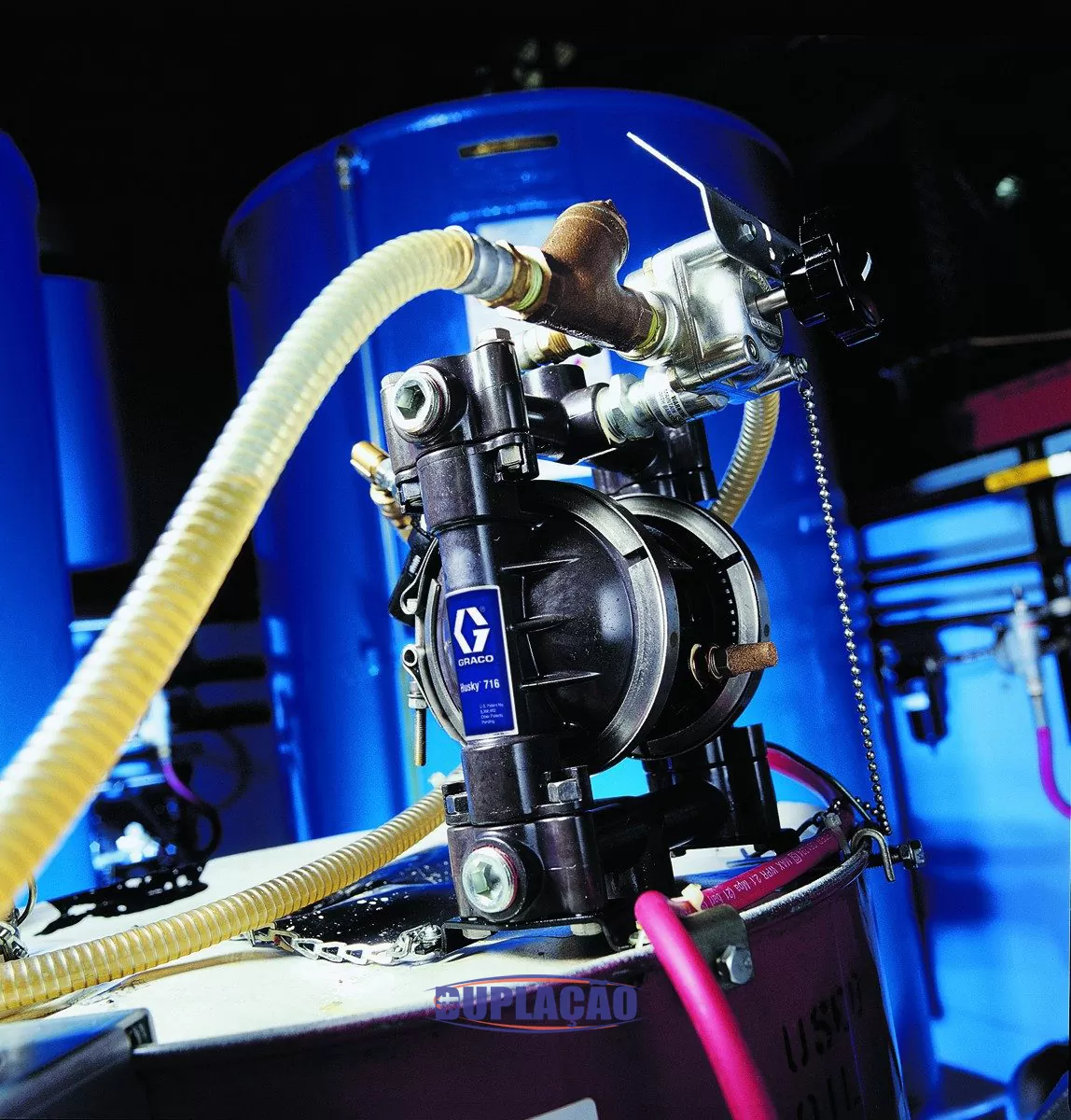
Now that you know the 5 most important factors to consider when choosing an AODD pump, there are three specifications you need to know that will help you select the right AODD pump.
The three key specifications are:
- Chemical resistance
- Flow
- Air pressure availability
Duplado can help you find the best pump for your application by asking three questions:
What are you pumping?
To recommend the correct pump, we need to know what liquid you are moving. If you have safety data sheets (SDSs), they are extremely helpful to our pump technicians. If we need to know the composition of a chemical product, we can consult the SDS sheet. The SDS sheet will tell us how resistant the chemical composition of your liquid is and how this will affect the seals and diaphragms.
What is your maximum flow rate?
Diaphragm pumps can pump flow rates ranging from 0 to 280 gpm. This is achieved by adjusting the air pressure or discharge head, which gives AODD pumps a great advantage in cases where such flow variation is required. The higher the flow rate, the faster the work is done. When determining the flow rate for a pump, keep in mind that it must be compatible with your desired flow rate.
Do you have compressed air on site?
Diaphragm pumps work with compressed air or nitrogen. Air purifiers and regulators are important for AODD pumps as they prevent moist, contaminated air from entering the pump. When compressed air reaches a temperature below the dew point, water can accumulate. By avoiding this water, you can increase the life of the pump's internal components. Speak to our pump experts and we will advise you on the exact amount of air pressure needed for your specific application.