Automation valves are essential for optimizing industrial processes, offering efficiency, safety and precise control of fluid flow. Knowing the types, advantages and recognized brands is essential to choosing the ideal valve for your needs.
As differences between automation valves They are essential for those seeking efficiency and precision. In this article, we will analyze the main characteristics of automatic valves, their advantages and how to choose the ideal option for your needs.
Types of valves in automation
There are several types of valves in automation, each designed to meet specific needs in pneumatic and hydraulic systems. Valves are essential components that control the flow of fluids, ensuring efficiency and safety in industrial processes.
Control Valves
Control valves regulate the amount of fluid that passes through a system. They are essential in applications that require precision, such as in air conditioning systems and chemical processes. Adjusting the valve opening allows you to control pressure and flow.
Fast Acting Valves
These valves are designed to open and close quickly, allowing agile flow control. They are often used in applications that require immediate response, such as security systems and automated assembly processes.
Block Valves
Shutoff valves are used to stop the flow of a fluid in a system. They are essential for maintenance and safety, allowing parts of the system to be isolated without interrupting the operation of the entire system.
Pressure Relief Valves
These valves are designed to release excess pressure in a system, protecting equipment and preventing catastrophic failures. They are crucial in systems where pressure can vary significantly, such as in boilers and compressed air systems.
Solenoid Valves
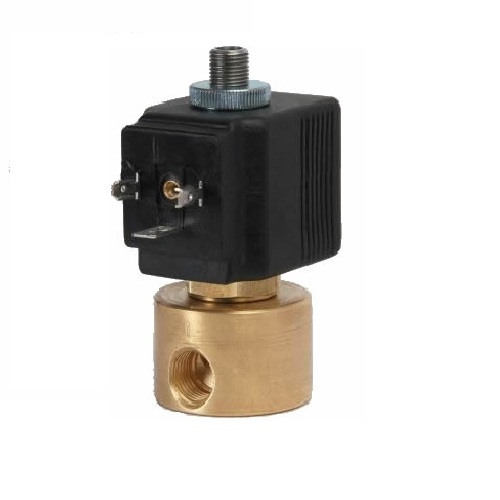
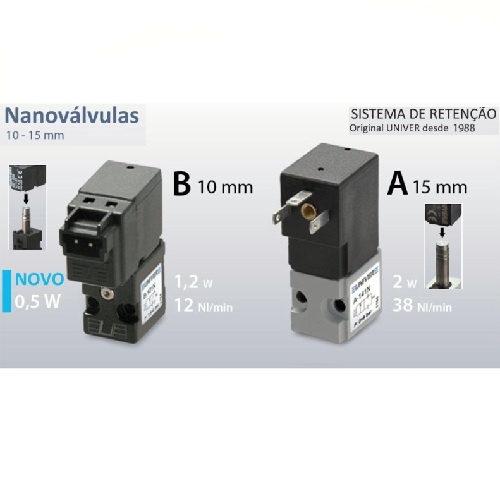
Solenoid valves use electromagnetism to open or close the fluid flow. They are widely used in industrial automation due to their ability to operate quickly and accurately, making them ideal for systems that require remote control.
Advantages of automatic valves
As advantages of automatic valves are significant and directly impact the efficiency and safety of industrial systems. These valves are designed to operate autonomously, offering a series of benefits compared to manual valves.
Operational efficiency
Automatic valves allow precise control of fluid flow, resulting in more efficient operations. They quickly adjust to changes in system conditions, minimizing waste and optimizing the use of resources.
Reduction of Human Errors
With automation, the risk of human error is significantly reduced. Automatic valves operate based on programmed sensors and controls, ensuring operations are carried out in a consistent and reliable manner.
Greater Security
Safety is a priority in industrial environments. Automatic valves can be programmed to close in emergency situations, preventing leaks and accidents. This protects both workers and equipment.
Ease of Integration
These valves are easily integrated into existing automation systems, enabling a smooth transition to more modern operations. This makes it easier to update processes without the need for large investments in infrastructure.
Real-Time Monitoring
Automatic valves often come equipped with monitoring technology that allows real-time data collection. This enables immediate adjustments and performance analysis, contributing to predictive maintenance and reducing unscheduled downtime.
How to choose the right valve
Choosing the right valve is crucial to ensuring efficiency and safety in automation systems. There are several factors to consider when making this choice, and understanding your system's specific needs is the first step.
Identify the application
The type of application determines the type of valve required. For example, if you need to control the flow of corrosive liquids, a valve made of durable material is essential. For high pressure applications, valves designed to withstand these conditions are required.
Consider the Type of Fluid
The fluid that will be controlled by the valve also influences the choice. Viscous fluids, gases or vapors have different characteristics that may require specific types of valves. Make sure the valve you choose is compatible with the fluid in question.
Check the Technical Specifications
Technical specifications, such as maximum pressure, operating temperature and flow, must be analyzed. Choosing a valve that meets or exceeds these specifications will ensure long-lasting, reliable performance.
Analyze the Mode of Action
Valves can be manual or automatic. If automation is a priority, opt for automatic valves that can be integrated into control systems. For simple applications, manual valves may be sufficient.
Consider Maintenance and Support
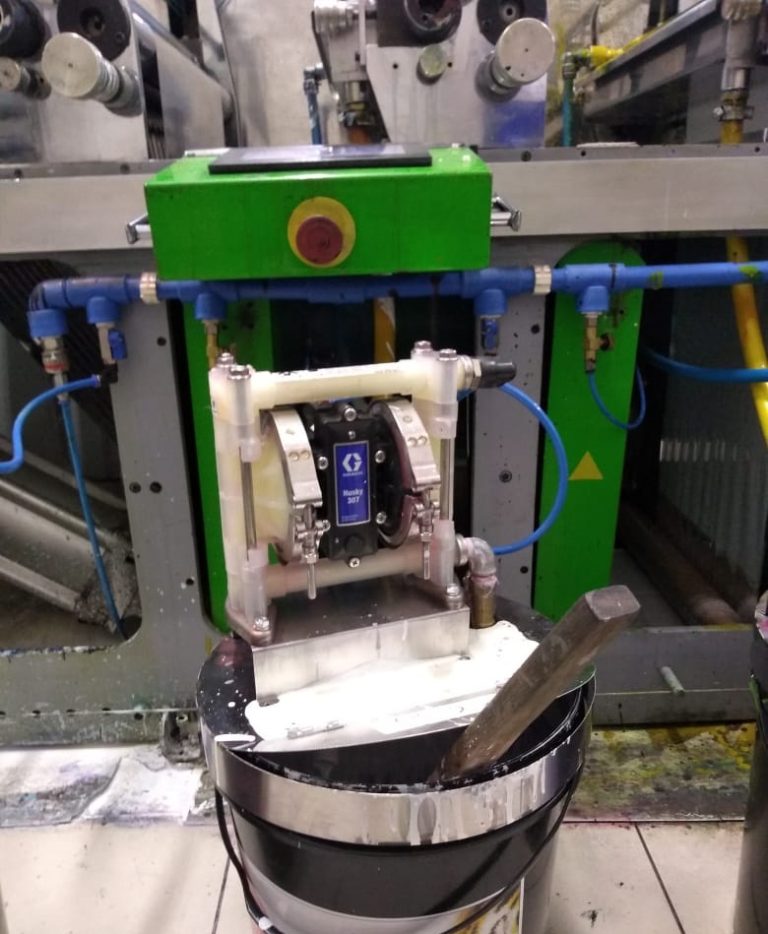
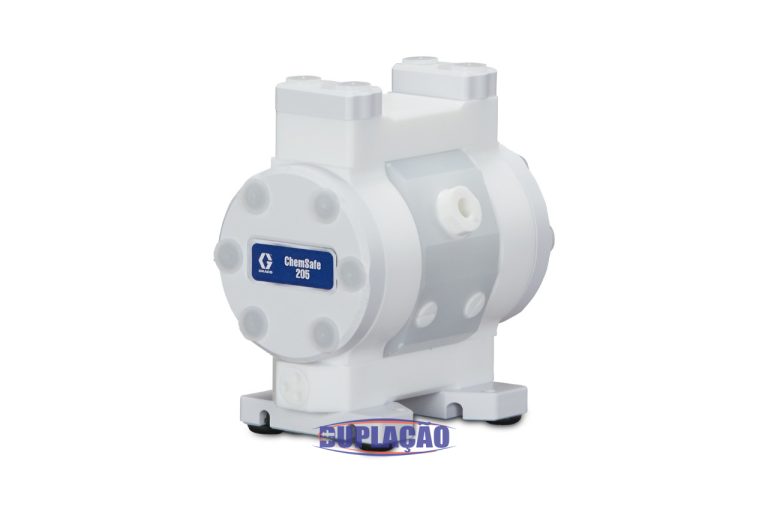
Ease of maintenance and manufacturer support are important factors. Choosing valves from recognized brands, such as Graco Inc. and Pneumax, can ensure access to replacement parts and technical assistance when needed.
Main brands of automation valves
There are several main brands of automation valves which stand out in the market for the quality and reliability of their products. Knowing these brands can help you choose the ideal valve for your needs.
Pneumax
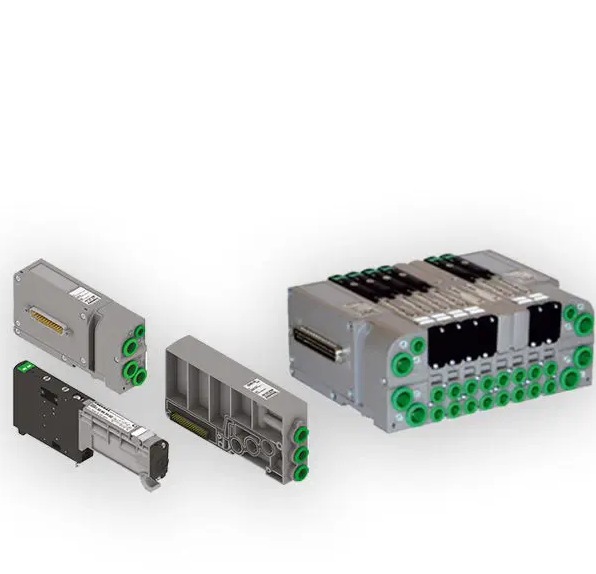
Pneumax is another renowned brand specializing in pneumatic automation. Its valves are designed to offer high performance and safety, making them ideal for industrial applications that require precision and reliability.
Party
Festo is a global brand that provides automation and control solutions. Its valves are recognized for innovation and advanced technology, serving a wide range of industries, from automotive to pharmaceutical.
SMC Corporation
SMC Corporation is a leader in industrial automation, offering a wide range of valves and pneumatic components. The quality and efficiency of its valves make it a popular choice among engineers and technicians.
Honeywell
Honeywell is known for its control and automation solutions. Its valves are designed for applications that require precision and reliability, being used in sectors such as HVAC, oil and gas.
Future of valve automation
O future of valve automation is promising, driven by technological innovations and the growing demand for efficiency in industrial processes. Automation is becoming increasingly essential to optimize operations and reduce costs.
Integration with IoT
The Internet of Things (IoT) is transforming industrial automation. Grid-connected valves enable real-time monitoring and remote control, improving efficiency and fault responsiveness.
Artificial intelligence
Artificial intelligence (AI) is being incorporated into automation systems, enabling predictive analytics and proactive maintenance. This helps identify problems before they cause failures, increasing the reliability of operations.
Sustainability
With growing concerns about sustainability, valves are being designed to be more energy and resource efficient. This includes the use of recyclable materials and technologies that minimize fluid waste.
Advances in Materials
Advances in materials are allowing the creation of valves that are more durable and resistant to extreme conditions. This is crucial for applications in industries such as oil and gas, where reliability is key.
Real-Time Automation
The future also points to real-time automation, where control systems can instantly adjust operations based on collected data. This maximizes efficiency and minimizes downtime.
Final Considerations on Valves in Automation
Valves play a crucial role in industrial automation, ensuring efficiency and safety in processes. Understand the differences between automation valves, its advantages and how choosing the right option is fundamental to optimizing operations.
The future of valve automation is promising, with innovations like IoT and artificial intelligence transforming the way we operate. As technologies advance, the integration of sustainable and efficient solutions will become increasingly important.
Investing in quality valves and recognized brands can make a difference in the performance of your system. So keep an eye on trends and innovations to ensure your automation stays ahead of the curve.
FAQ – Frequently asked questions about valves in automation
What are the main types of valves in automation?
The main types of valves in automation include control valves, quick-acting valves, block valves, pressure relief valves and solenoid valves.
How do I choose the right valve for my application?
To choose the right valve, consider the application, fluid type, technical specifications, mode of action and ease of maintenance.
What are the advantages of automatic valves?
Automatic valves offer operational efficiency, reduced human error, greater safety, ease of integration and real-time monitoring.
Which brands are recognized in the manufacture of automation valves?
Recognized brands include Graco Inc., Pneumax, Festo, SMC Corporation and Honeywell, all known for the quality and reliability of their products.
How can automation in valves impact sustainability?
Valve automation can improve sustainability by using technologies that minimize fluid waste and promote energy efficiency.
What is the future of valve automation?
The future of valve automation includes integration with IoT, artificial intelligence, advances in materials and real-time automation for greater efficiency and safety.