When we talk about Maintenance of pneumatic pumps, the issue of waste and debris accumulated in units is one of the most frequently neglected factors. Although pneumatic pumps are essential to the operation of many industries, the presence of impurities within the systems can result in unexpected failures, lost productivity and high maintenance costs. In this article, we will explore what these residues are, how to prevent them, and most importantly, why they are so harmful to your production.
What Are Residues and Debris in Pneumatic Pumps?
Residue and debris in pneumatic pumps can include a variety of particles and substances that, over time, accumulate in the internal parts of the system. This can happen due to the presence of dirt, dust, contaminating liquids, wear products or even failures in external components that release unwanted particles.
This debris can come from different sources:
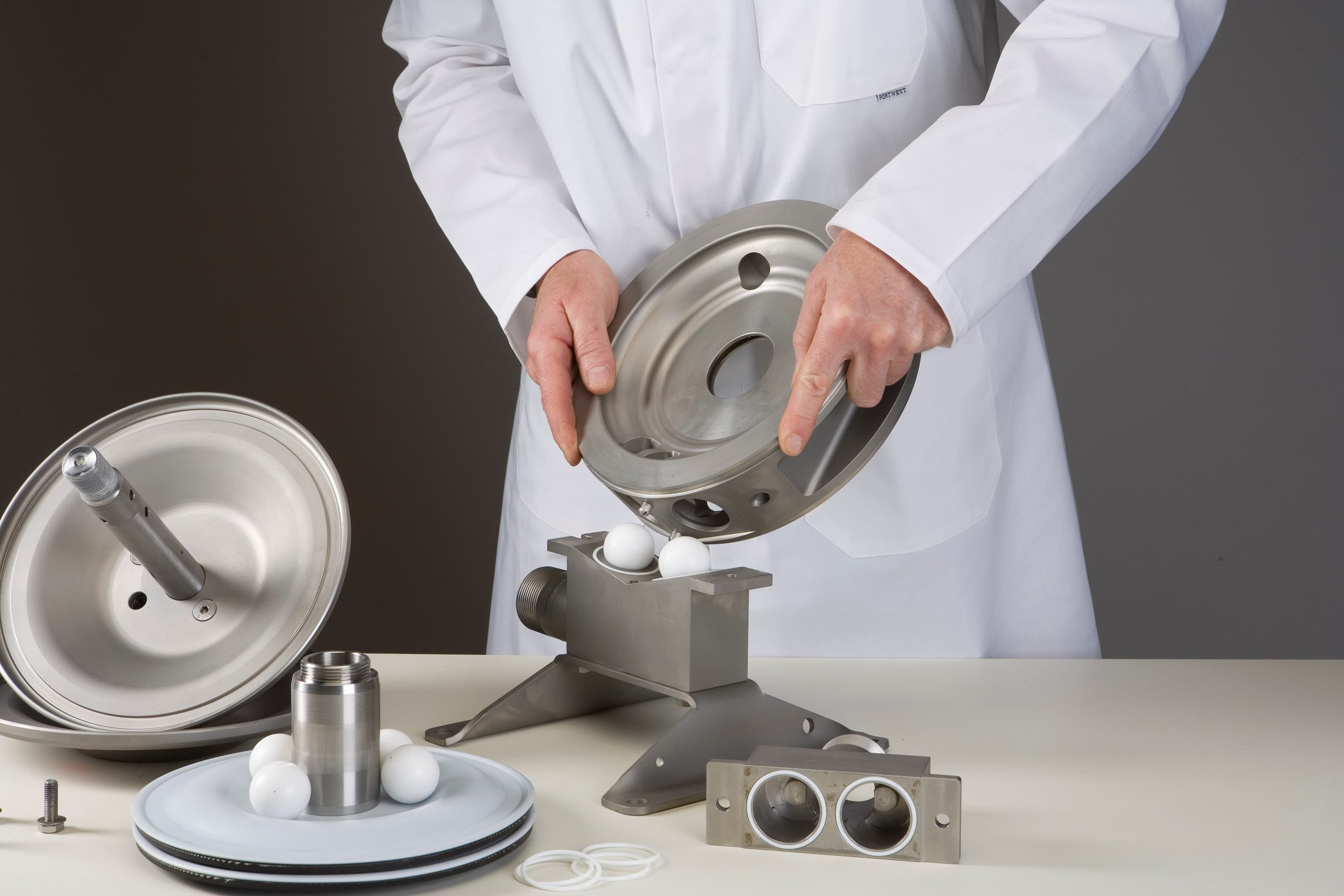
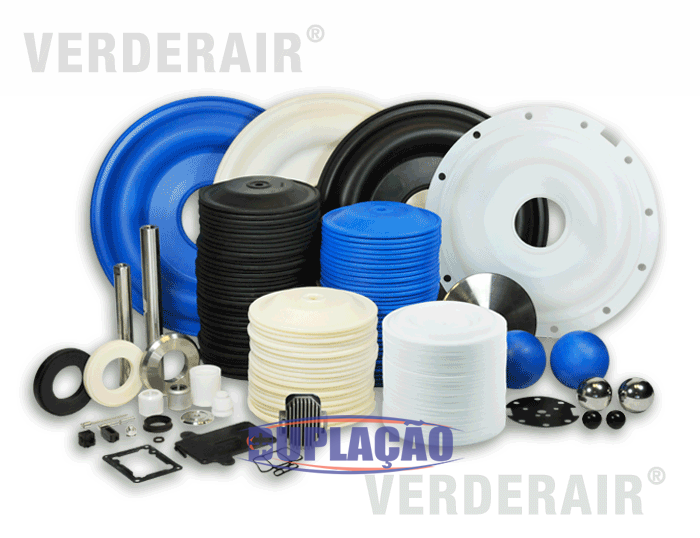
- Compounds of worn parts: Constant use of pumps generates wear on moving parts, such as balls, pistons and seals, releasing small fragments.
- Filtering System Failures: Lack of a suitable filter or incorrect maintenance of the filtration system can allow particles to enter the pneumatic system.
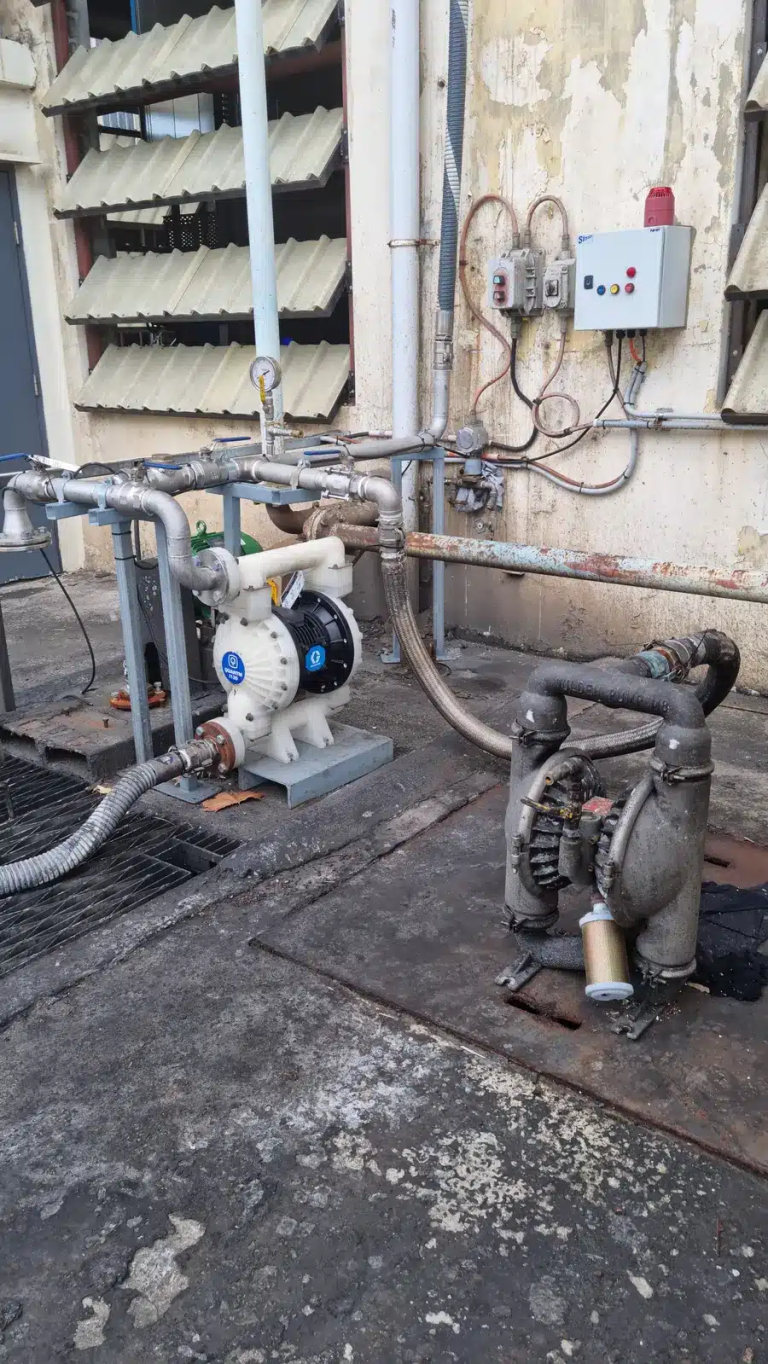
- Work environment contamination: Factories and industries, especially those with heavy processes, can have environments with high levels of dust and other impurities that directly affect the performance of the machine. bomba.
- Lack of cleaning: Lack of a regular cleaning schedule for pumps and their components increases the risk of internal contamination.
How Do Waste and Debris Affect Pneumatic Pumps?
When debris and waste enter pneumatic pumps, several problems can arise, compromising both the operational efficiency as for security of the system. Below, we list the main impacts of these contaminants:
- Rapid wear
The presence of hard particles inside pumps can cause premature wear of critical parts such as seals, valves and cylinders. This wear, in addition to reducing the useful life of the pumps, can lead to more serious failures and interruptions in operations. - Decreased efficiency
The accumulation of dirt and residue can obstruct air or fluid passages, reducing pump performance. This results in a loss of pressure and efficiency, directly affecting production and increasing energy consumption. - Increased maintenance costs
When the pump begins to fail due to accumulated debris, maintenance costs can rise dramatically. This includes more expensive repairs, replacement of parts, and in extreme cases, the need to replace the entire pump. Furthermore, a pump failure can result in unexpected downtime, which impacts productivity and profits. - Risk of cross contamination
Depending on the type of industrial process, the presence of residue in the pumps can contaminate the final product. For example, in the food or pharmaceutical industries, this can compromise product quality and violate safety standards.
How to Avoid the Accumulation of Waste in Pneumatic Pumps?
The good news is that many of the problems caused by waste can be avoided with simple preventative maintenance practices. Here are some essential tips to minimize the risk of contamination and ensure the proper functioning of your pneumatic pumps:
- Regular inspections
Performing periodic pump inspections is one of the most effective ways to identify build-up of residues before they become larger problems. Look for signs of wear on parts, such as leaks or changes in pump performance. The sooner you detect faults, the easier it will be to resolve the problem.
- Installation of particle filters and separators
Ensuring that pneumatic pumps have high-quality filters and particle separators is essential to prevent dirt and debris from entering the system. It is important to regularly monitor the condition of these filters and carry out preventive maintenance, changing them whenever necessary.
- Maintenance of compressed air system
The compressed air used in pneumatic pumps must be clean and dry. Installing dryers and air purifiers helps prevent contaminated air from entering the system and causing debris to build up. Performing air dehydration and eliminating any moisture or oil present in the system also prevents long-term problems.
- Team training
Investing in regular training for your team is one of the most effective ways to avoid the accumulation of waste. Technicians and operators must be well trained to quickly identify and correct any sign of contamination in pumps, in addition to knowing how to deal with working environment conditions to prevent dirt and particles from entering the system.
- Proper cleaning of pumps and components
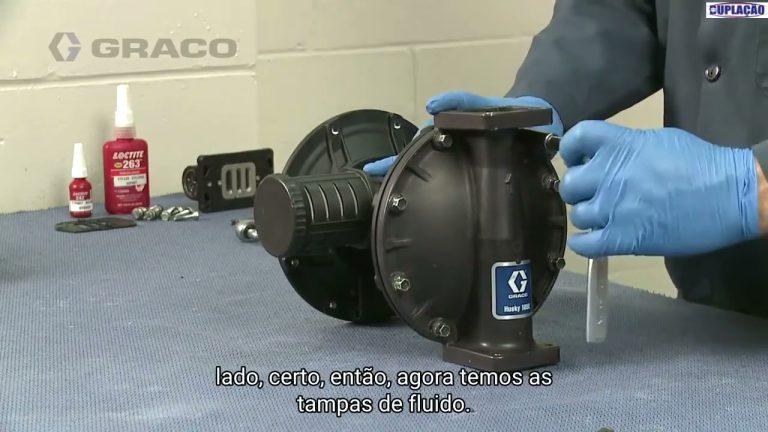
Regular cleaning of pumps and their components is essential to keep the system free of residue. Use appropriate tools and follow the manufacturer's instructions to ensure that parts are cleaned efficiently without causing damage to internal components. Preventive cleaning should be part of your regular maintenance plan.
The Importance of Preventing the Accumulation of Waste
Keeping pneumatic pumps free of waste and debris is not just a matter of efficiency e longevity of equipment, but also to ensure the continuity of production and the reduction of operating costs. When pumps are clean and well-maintained, they operate more efficiently, which translates into fewer failures, lower maintenance costs and safer operation.
A Prevention is the key to avoid unpleasant surprises. Implementing an adequate maintenance schedule, carrying out regular inspections, investing in training for your team and using the right filters are essential steps to ensuring that your pneumatic pump continues to operate at its best for much longer. With correct maintenance, you will not only be extending the useful life of your pumps, but also ensuring the long-term success and productivity of your business.