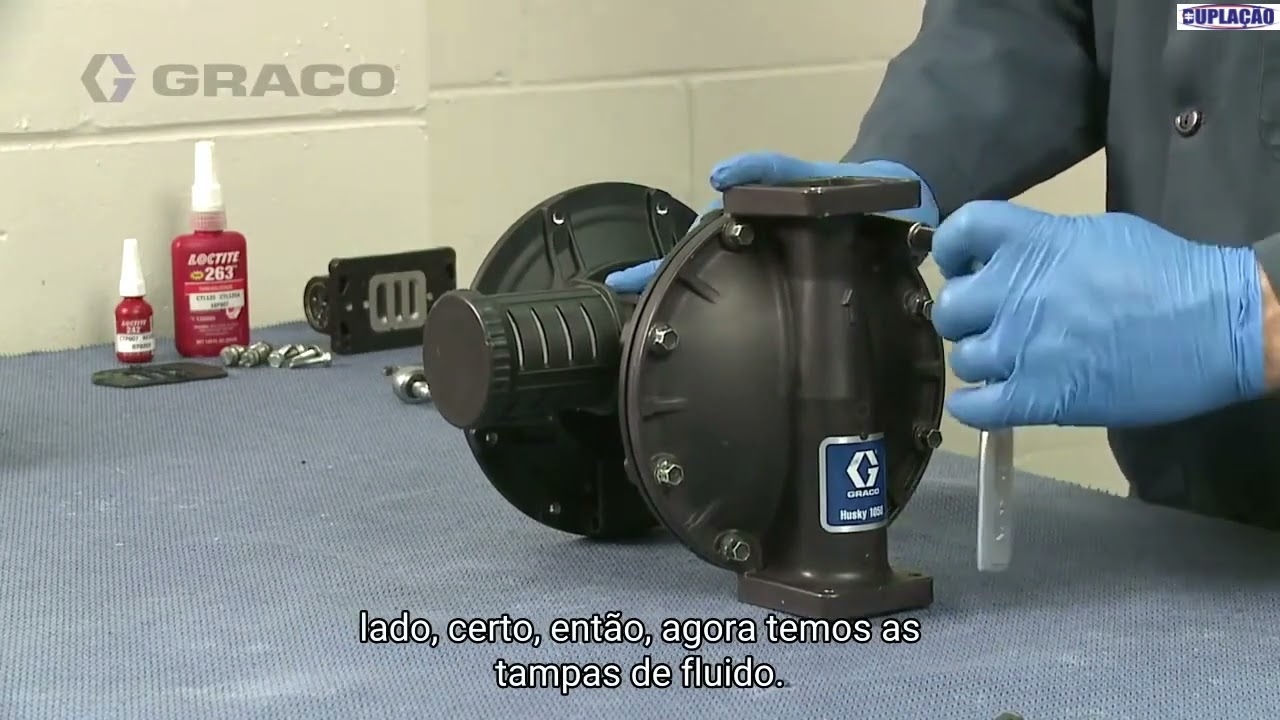
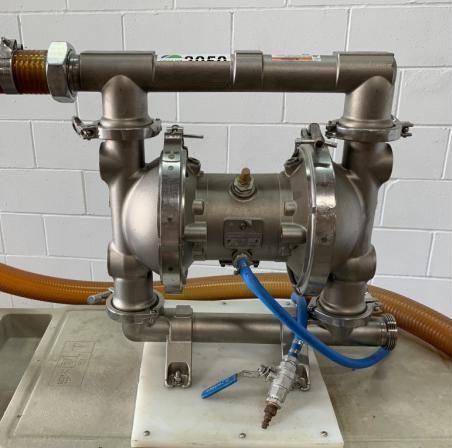
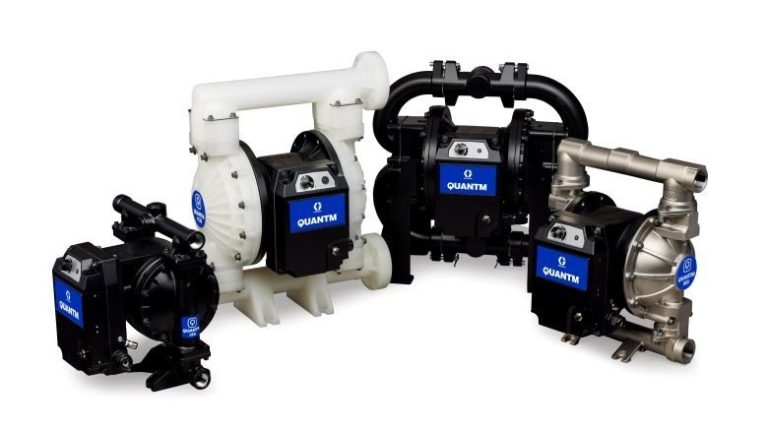
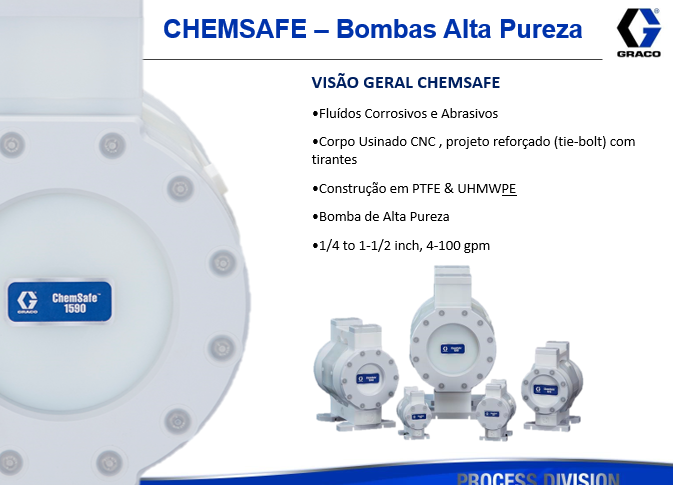
Diaphragm pumps are essential equipment in many industries, but they can face problems such as leaks and loss of pressure. Preventative maintenance, including regular inspections and replacement of parts, is crucial to ensuring its efficient operation and extending its useful life.
If you work with diaphragm pumps, you've probably already had to deal with some common problems that can arise. These pumps are known for their efficiency, but, like any equipment, they can fail. In this article, we will discuss the most frequent problems faced by those who use these pumps and offer valuable tips to solve them. Get ready to learn about the best ways to identify and fix these challenges!
Understanding the diaphragm pump
As diaphragm pumps They are essential devices in many industrial processes, designed to pump liquids and gases efficiently. They work using a flexible diaphragm that moves back and forth, creating a pumping action. This technology is widely used due to its ability to handle viscous and abrasive fluids, as well as being effective in applications that require high pressure.
How Diaphragm Pumps Work
The operating principle of diaphragm pumps is relatively simple. When the diaphragm moves down, it creates a vacuum that pulls fluid into the pumping chamber. Then, as the diaphragm moves upward, it presses the fluid out of the bomba. This continuous cycle allows the pump to maintain a constant flow.
Advantages of Diaphragm Pumps
One of the main advantages of diaphragm pumps is their ability to operate in adverse conditions. They are corrosion resistant and can handle a wide range of temperatures and pressures. Additionally, they are self-priming, meaning they can operate without the need for a fluid reservoir.
Common applications
These pumps are used in a variety of industries, including pharmaceutical, food, chemical and water treatment. They are ideal for applications that require precision and control, such as dosing chemicals and transferring sensitive fluids.
Maintenance and Care
To ensure proper functioning of diaphragm pumps, it is crucial to perform regular maintenance. This includes checking for leaks, cleaning the valves, and inspecting the diaphragm itself. Proper maintenance can extend the life of the equipment and avoid unexpected downtime.
Main common problems
As diaphragm pumps They are robust but may face some common issues that affect their performance. Identifying these issues quickly is essential to ensuring equipment efficiency and longevity. Here are the main problems you may encounter:
Leaks
One of the most frequent problems is fluid leaks. This may occur due to diaphragm wear or seal failure. It is important to regularly inspect joints and connections to prevent fluid loss and ensure operational safety.
Pressure Loss
Pressure loss can be caused by blockages in the valves or a damaged diaphragm. If you notice a decrease in pressure, check for blockages and examine the condition of the diaphragm. Preventive maintenance is crucial to avoid this type of problem.
Excessive Noise
Abnormal noises during operation may indicate mechanical problems. This could be the result of loose or worn parts. It is recommended to carry out a detailed inspection to identify the source of the noise and carry out any necessary repairs.
Irregular Operation
If the pump is not running consistently, this could be a sign that there is a problem with the motor or control system. Check electrical connections and condition of the motor to ensure smooth operation.
Fluid Contamination
Fluid contamination can occur due to foreign particles or degradation of pump material. This can affect the quality of the final product and cause damage to the equipment. It is important to monitor the quality of the fluid and carry out regular cleaning.
Signs of diaphragm pump failure
Identify the signs of failure in diaphragm pumps is crucial to avoid further damage and ensure system efficiency. Here are some of the main signs that indicate that the pump may be having problems:
Visible Leaks
One of the first signs of failure is the presence of visible leaks around the pump. This may be due to wear on the seals or diaphragm. If you notice accumulated fluid, it is important to investigate the cause immediately.
Fluctuation in Pressure
If you notice fluctuations in fluid pressure during operation, it could indicate an internal problem. This can be caused by a damaged diaphragm or blockages in the valves. Monitoring your blood pressure regularly can help identify this problem early.
Abnormal Noises
Strange or excessive noises during pump operation may be a sign that something is not working properly. This could be the result of loose or worn parts. It is essential to perform an inspection to determine the source of the noise and correct the problem.
Irregular Performance
If the pump is not operating consistently, this could be a sign of failure. Uneven performance may be caused by electrical or mechanical problems. Check the electrical connections and condition of the engine to ensure everything is working properly.
Fluid Contamination
The presence of contaminants in the pumped fluid is a clear sign that something is wrong. This can occur due to pump or fluid inlet failures. Monitoring fluid quality is essential to avoid damage to the system and ensure process efficiency.
How to fix these problems
Fix problems in diaphragm pumps It is essential to maintain system efficiency and security. Here are some practical approaches to solving the most common problems:
Problem Identification
The first step to fixing any problem is identifying its source. Perform a detailed visual inspection of the pump, checking for leaks, noise and irregular performance. Use diagnostic tools, if necessary, to obtain accurate information about pump operation.
Replacing Damaged Components
If you discover that the diaphragm or seals are damaged, replacement is the best solution. Be sure to use high-quality replacement parts compatible with your pump model to ensure optimal performance.
Valve Adjustments
Problems with valves can cause loss of pressure and irregular operation. Check that the valves are clean and working properly. If necessary, make adjustments or replace valves to ensure adequate flow.
Regular maintenance
Implementing a preventative maintenance program is essential to avoid future problems. This includes regularly cleaning internal parts, checking connections and lubricating moving components. Regular maintenance helps identify problems before they become critical.
Team training
Make sure your staff is well trained to operate and maintain diaphragm pumps. Adequate knowledge about equipment operation and maintenance can prevent many problems and ensure safe and efficient operation.
Preventative maintenance of diaphragm pumps
A preventive maintenance of diaphragm pumps is essential to ensure their efficient operation and prolong their useful life. Implementing a regular maintenance plan can help prevent unexpected failures and reduce operating costs. Here are some best practices for preventive maintenance:
Regular inspections
Performing frequent visual inspections is essential. Check for leaks, wear on seals and damage to the diaphragm. Inspecting connections and valves is also important to ensure everything is working properly.
Component Cleaning
Regularly cleaning the internal and external parts of the pump helps prevent fluid contamination and residue build-up. Use suitable cleaning products and follow the manufacturer's recommendations to avoid damage.
Pressure and Flow Check
Monitoring pump pressure and flow is crucial to identifying problems before they become critical. Use pressure gauges and flow meters to ensure the pump is operating within recommended specifications.
Replacing Worn Parts
Identify and replace components that show signs of wear, such as diaphragms and seals. Timely replacement of these parts can prevent failures and ensure optimal pump performance.
Team training
Ensure your team is well-trained in preventive maintenance practices. Proper knowledge of pump operation and maintenance techniques can help prevent problems and improve operational efficiency.
Conclusion on Diaphragm Pumps
Diaphragm pumps are essential equipment in many industries, offering efficiency and versatility. However, like any equipment, they can face problems that require attention and maintenance.
Identifying signs of failure and carrying out preventative maintenance are crucial steps to ensure proper functioning and extend the pump's useful life. With regular maintenance practices such as inspections, cleaning, and replacement of worn parts, you can avoid unexpected failures and maintain smooth operation.
Investing in training for your team is also essential, as well-informed staff can prevent problems and improve operational efficiency. By following these guidelines, you can maximize the performance of your diaphragm pumps and ensure reliable operation.
FAQ – Diaphragm Pumps Frequently Asked Questions
What are the most common problems with diaphragm pumps?
The most common problems include leaks, loss of pressure, excessive noise, irregular operation and fluid contamination.
How can I identify signs of failure in my diaphragm pump?
Signs of failure include visible leaks, fluctuation in pressure, abnormal noises and inconsistent performance.
How important is preventative maintenance for diaphragm pumps?
Preventive maintenance is crucial to avoid unexpected failures, extend pump life and ensure efficient operation.
What should I do if I find a diaphragm pump leak?
If you find a leak, inspect the seals and diaphragm. Replace damaged parts and check connections.
How often should I perform diaphragm pump maintenance?
Maintenance must be carried out regularly, with visual inspections and scheduled cleanings, depending on use and operating conditions.
How can I train my staff to maintain diaphragm pumps?
Provide regular training on pump operation and maintenance, as well as hands-on workshops to ensure staff are well informed.