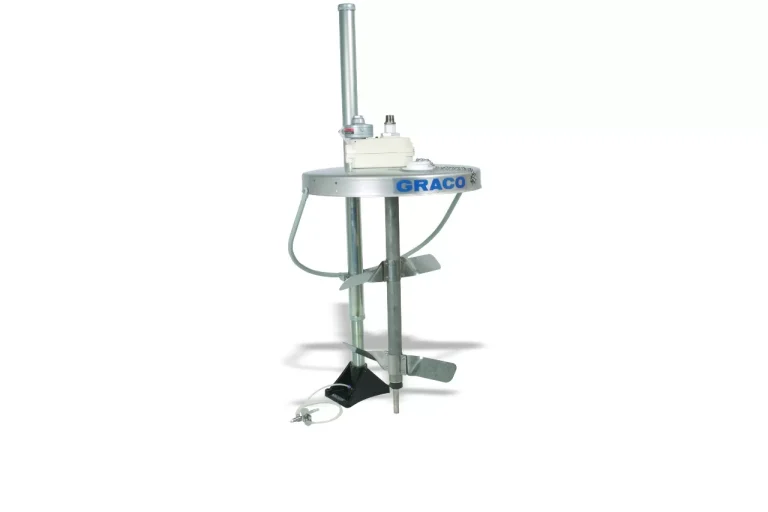
Mounting brackets are essential components in various industrial applications, providing stability and security when installing equipment. In this article, we'll explore the features, benefits, and applications of mounting brackets, as well as tips for choosing the ideal model for your needs.
What is a Mounting Bracket? – Definition and main characteristics of mounting supports used in industry.
What is a Mounting Bracket? A mounting bracket is a component designed to secure and stabilize equipment and structures in industrial environments. These supports are essential to ensure that equipment remains safe and operational during use.
Definition and main characteristics: Mounting brackets can be made from a variety of materials, such as steel, aluminum or plastic, depending on the application and environmental conditions. They are designed to withstand specific loads and resist vibration, impact and corrosion. Furthermore, the supports can have different shapes and sizes, allowing adaptation to different installation configurations.
Correct installation of a mounting bracket is crucial to the safety and efficiency of the system, as a poorly installed bracket can lead to operational failures and the risk of accidents. Therefore, choosing the appropriate support must consider not only the load it will support, but also the operating conditions and the environment in which it will be used.
Benefits of Mounting Brackets – Advantages of using mounting brackets when installing equipment, including safety and efficiency.
Benefits of Mounting Brackets – Mounting brackets offer several advantages when installing industrial equipment. One of the main benefits is the security. By using suitable supports, it is possible to ensure that the equipment is firmly fixed, reducing the risk of accidents and operational failures.
Additionally, supports help distribute the weight uniformly, avoiding overloads at specific points that could cause damage. Another important benefit is the efficiency. With mounting brackets, equipment installation becomes faster and easier, allowing operations to begin without delay. This is especially relevant in industrial environments, where downtime can result in significant losses.
The supports also make it easier to maintenance of equipment, as they allow easy access for inspections and repairs. In short, the use of mounting brackets not only improves safety, but also optimizes operational efficiency, contributing to a safer and more productive work environment.
Types of Mounting Supports – Exploration of the different types of mounting supports available on the market and their specific applications.
Types of Mounting Brackets – There are several types of mounting brackets available on the market, each designed to meet specific needs.
One of the most common types is the wall bracket, which is used to fix equipment on vertical surfaces. These mounts are ideal for devices that need to be accessible, such as control panels and tools.
Another type is the floor support, which offers stability for heavy equipment such as compressors and generators. These brackets are designed to withstand significant loads and are often used in industrial environments.
In addition, there are adjustable supports, which allow modification of the installation height and angle, providing flexibility in applications where the position of the equipment may need to be changed.
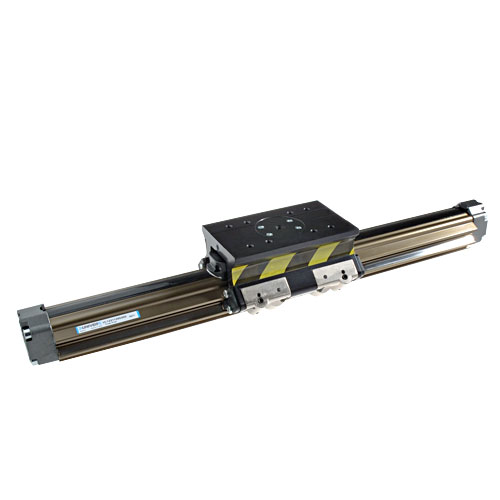
Os rail mounting brackets are another option, allowing the installation of multiple equipment on a single support, optimizing space and facilitating maintenance.
Each type of media must be chosen based on the characteristics of the equipment to be installed and the environmental conditions, thus ensuring maximum efficiency and safety.
How to Choose the Ideal Mounting Bracket – Important tips and considerations for selecting the best mounting bracket for your needs.
How to Choose the Ideal Mounting Bracket – Choosing the appropriate mounting bracket is crucial to ensure safe and efficient equipment installation.
First, it is important to consider the maximum load that the support must support. Each support has a specific load capacity, and choosing one that does not meet this need can result in failure.
Additionally, evaluate the material of support. Materials such as stainless steel are ideal for corrosive environments, while aluminum can be lighter and easier to handle.
Another factor to consider is the type of installation. Check whether the bracket is suitable for wall, floor or ceiling installation, depending on available space and equipment configuration.
A ease of installation is also an important point; Stands that come with clear instructions and all necessary accessories can save time and effort.
Finally, consider flexibility of support. Adjustable models can be advantageous in applications where the position of the equipment may need to be changed.
Evaluating these aspects will help ensure you choose the best mounting bracket for your needs.