Efficient inventory management and preventative maintenance are crucial to increasing the company's profitability. These practices reduce operating costs, minimize losses and ensure product quality, resulting in more efficient operations and greater customer satisfaction.
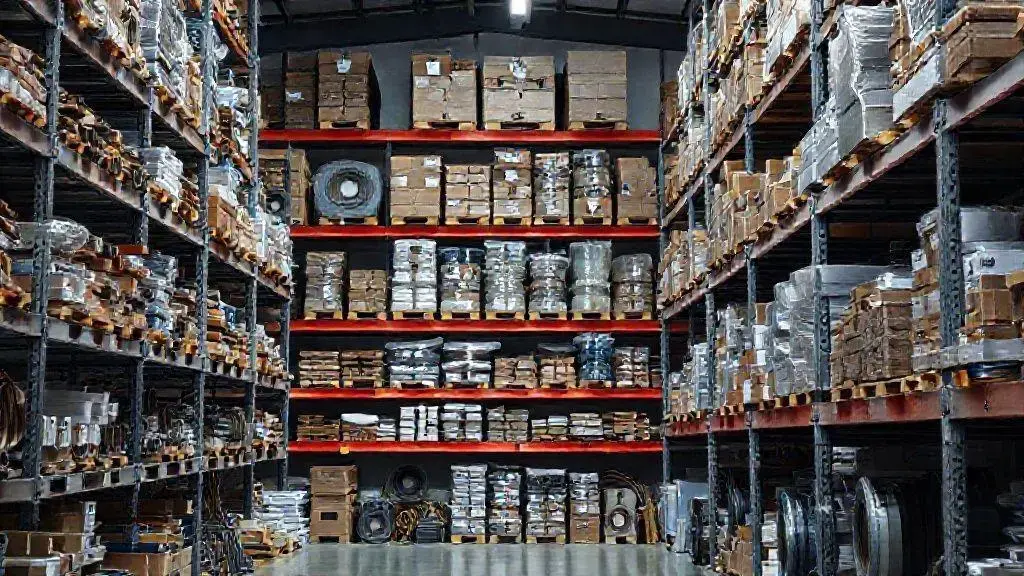
Did you know that stock spare parts avoid problems and ensure that your operation runs without interruption? Good inventory management is fundamental to the sustainability of your company and can be the difference between a good profit and a frustrating day. Here, we'll explore how to maintain efficient inventory, strategies for managing your spare parts, and how this impacts your bottom line.
The Importance of Replacement Parts
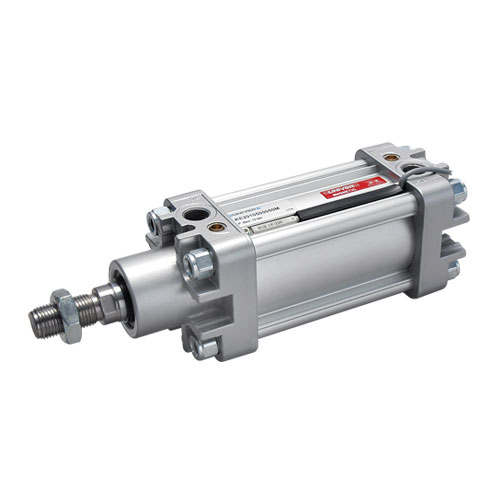
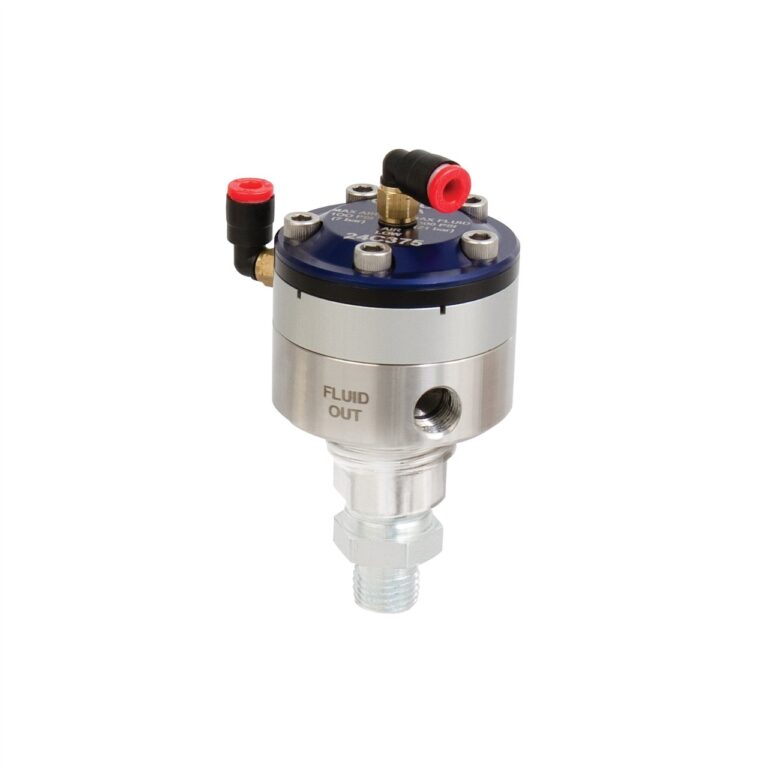
A Importance of spare parts cannot be underestimated in any industrial operation. They are essential to ensure that equipment operates efficiently and continuously. When a machine fails, the immediate availability of replacement parts can avoid long periods of downtime, which can result in significant financial losses.
Downtime Reduction
Having an adequate stock of spare parts allows companies to carry out quick and effective maintenance. This is crucial, especially in industries where time is a critical factor. Every minute of downtime can impact production and customer satisfaction.
Preventive maintenance
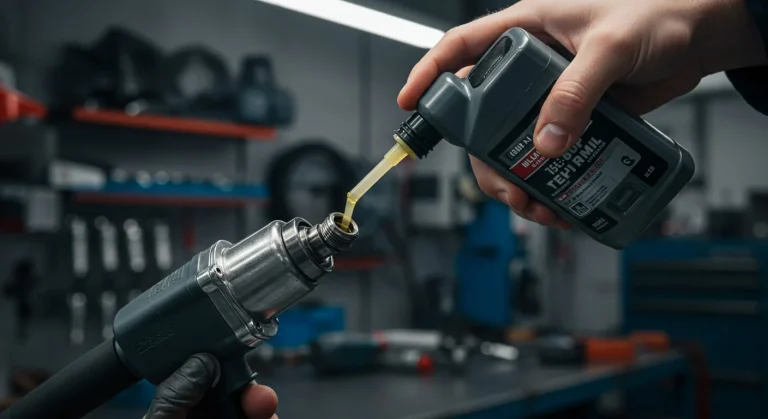
Replacement parts also play a vital role in preventative maintenance. By replacing worn components before they fail, companies can prevent unexpected breakdowns and extend the life of equipment. This not only improves operational efficiency but also reduces costs in the long term.
Impact on Product Quality
Well-maintained equipment, with appropriate spare parts, guarantees the quality of the final product. When machines operate optimally, production consistency and quality are maintained, which is fundamental to the company's reputation in the market.
Flexibility and Quick Response
Good spare parts management provides flexibility. Companies can quickly respond to changes in market demand or specific customer needs, adjusting their production without delay.
Therefore, investing in an adequate inventory of spare parts is a smart strategy that can lead to a more efficient and profitable operation.
How to Maintain an Efficient Inventory
Keep a efficient inventory is crucial to the success of any operation. A well-managed inventory not only reduces costs but also improves customer satisfaction. Here are some strategies to ensure your inventory remains efficient.
Item Classification
One of the first steps to maintaining efficient inventory is sorting items. Use the ABC method, which categorizes products into three groups: A, B and C. Items A are the most valuable and should receive the most attention, while items C are less critical. This helps prioritize management and replenishment.
Continuous Monitoring
Implementing a continuous monitoring system is essential. Use technology, such as inventory management software, to track stock levels in real time. This allows you to quickly identify when an item is about to run out and place replenishment orders before a stockout occurs.
Regular Reviews
Carrying out regular stock reviews is essential. This involves checking the condition of items, identifying obsolete products and assessing demand. Reviews help keep stock up to date and avoid excesses or shortages.
Demand Forecast
Using historical data to predict future demand is an effective practice. Analyze past sales and consider seasonal factors that may affect demand. This will help you better plan stock levels and avoid overstocks.
Team training
Finally, training your team on the importance of inventory management is vital. Well-informed employees can help keep inventory organized and follow established processes, ensuring efficiency is maintained across all operations.
Inventory Management Strategies
O inventory management it is a vital part of any business that deals with physical products. Implementing effective strategies can improve operational efficiency and reduce costs. Here are some approaches to optimizing inventory management.
Just-in-Time (JIT)
The Just-in-Time (JIT) strategy involves keeping inventory to the minimum necessary, receiving products only when they are needed for production. This reduces storage costs and minimizes the risk of obsolescence. However, it is crucial to have reliable suppliers to avoid supply chain disruptions.
Process automation
Using technology to automate inventory management processes can increase accuracy and efficiency. Inventory management systems (ERP) can help track stock levels, predict future needs and generate detailed reports, enabling more informed decision-making.
Data-Driven Replenishment
Basing replenishment on historical data and sales analytics can help avoid overstocks or shortages. By analyzing purchasing patterns and seasonality, companies can adjust their inventory levels to meet demand more effectively.
Continuous Team Training
Investing in ongoing team training is essential. Well-trained employees can identify problems quickly and implement effective solutions. Additionally, they must stay up to date on best practices and emerging technologies in inventory management.
Collaboration with Suppliers
Maintaining good communication and collaboration with suppliers is essential for effective inventory management. Establishing strong partnerships can ensure that products are delivered on time and in good condition, as well as facilitate negotiations and replenishment agreements.
Benefits of Preventive Maintenance
A preventive maintenance It is an essential practice to ensure the longevity and efficiency of equipment in any operation. By adopting this approach, companies can reap several significant benefits.
Reduction of Unexpected Breakages
One of the main benefits of preventive maintenance is the reduction of unexpected breakdowns. By performing regular inspections and replacements of worn parts, companies can avoid failures that could result in costly production downtime.
Cost Savings
Although preventative maintenance requires an initial investment, it can result in significant savings in the long term. By avoiding emergency repairs and equipment replacements, companies can reduce operating costs and increase profitability.
Increased Operational Efficiency
Well-maintained equipment operates more efficiently. This means production can be carried out at a faster pace and with less waste. Operational efficiency is crucial to meeting market demand and maintaining competitiveness.
Improvement in Product Quality
When equipment is in good condition, the quality of the final product tends to be higher. Preventive maintenance helps ensure that production processes are consistent, resulting in high-quality products that meet customer expectations.
Workplace Safety
Preventive maintenance also contributes to a safer work environment. Poorly maintained equipment can pose risks to employee safety. By ensuring that everything is working correctly, companies can protect their employees and reduce the risk of accidents.
Impact on Company Profitability
O impact on company profitability It is a crucial aspect that must be considered when managing inventory and implementing maintenance practices. The way a company handles its inventory and maintenance can directly influence its financial results.
Reduction of Operating Costs
Efficient inventory management and preventive maintenance helps reduce operational costs. When equipment is in good condition and inventory is maintained properly, companies avoid unnecessary expenses on emergency repairs and production losses.
Increased Efficiency
Efficient processes result in greater productivity. Well-maintained equipment operates more efficiently, allowing companies to meet market demand more quickly. This not only improves customer satisfaction, but also increases sales and, consequently, profitability.
Loss Minimization
With good inventory management, companies can minimize losses due to obsolete or damaged products. Preventative maintenance also helps avoid unexpected breakdowns, which can interrupt production and result in significant financial losses.
Improvement in Product Quality
The quality of the final product is a determining factor for profitability. Well-maintained equipment ensures that products are produced with consistency and quality, which can lead to increased sales and customer loyalty.
Market Responsiveness
Companies that manage their inventory and maintenance well are able to respond more quickly to market changes. This allows them to seize opportunities and quickly adapt to consumer demands, which can result in a significant increase in profitability.
Conclusion: The Importance of Inventory and Maintenance Management
Managing inventory and carrying out preventive maintenance are essential practices for any company that wants to prosper. These strategies not only help avoid operational problems, but also directly impact profitability.
With well-managed inventory, companies can reduce costs, increase efficiency and improve product quality. Furthermore, preventive maintenance ensures that equipment functions correctly, avoiding unexpected breakdowns and financial losses.
Therefore, investing in good inventory management and maintenance practices is essential to ensure the success and sustainability of your business in the competitive market.
FAQ – Inventory Management and Maintenance Frequently Asked Questions
Why is preventative maintenance important for my company?
Preventative maintenance helps prevent unexpected breakdowns, reducing repair costs and increasing operational efficiency.
How can good inventory management impact profitability?
Efficient inventory management minimizes losses, reduces operating costs and improves product quality, resulting in greater profitability.
What are the benefits of keeping a well-organized inventory?
An organized inventory facilitates access to products, improves service efficiency and helps avoid excesses or shortages of items.
How can I predict demand for products in my inventory?
By analyzing historical sales data and considering seasonal factors, you can adjust your inventory levels to better meet demand.
What is the best strategy for restocking inventory?
Using a continuous monitoring and replenishment system based on historical data is an effective strategy for maintaining adequate inventory levels.
How can the team contribute to good inventory management?
Training staff on inventory management best practices and the importance of maintenance helps ensure processes are followed correctly.