Proper lubrication of pneumatic equipment is essential to ensure efficiency and durability. Following correct practices, such as choosing the right lubricant and maintaining a regular lubrication frequency, helps prevent mechanical failures and extends the useful life of systems.
A pneumatic equipment lubrication required It is essential for the proper functioning of industrial machines and systems. Without adequate lubrication, problems such as excessive wear, mechanical failures and decreased operational efficiency can occur. In this article, we will discuss the importance of lubrication, how to do it correctly and what mistakes to avoid during the process.
Importance of lubrication in pneumatic equipment
A importance of lubrication in pneumatic equipment cannot be underestimated. Proper lubrication ensures moving parts run smoothly, reducing friction and wear. This is essential to extend the useful life of equipment and avoid unexpected downtime that can result in high costs.
Wear Reduction
When pneumatic components are not properly lubricated, friction increases, leading to premature wear of the parts. Lubrication forms a protective film that minimizes direct contact between surfaces, prolonging the durability of the equipment.
Improvement in Operational Efficiency
Well-lubricated equipment operates more efficiently. Lubrication reduces resistance to movement, allowing pneumatic systems to function more effectively. This results in better overall performance and a reduction in energy consumption.
Prevention of Mechanical Failures
Lack of lubrication can lead to serious mechanical failures, which can cause production interruptions and high repair costs. Regular lubrication maintenance helps identify problems before they become critical, ensuring continuity of operations.
Security Impact
In addition to improving efficiency and durability, proper lubrication also has a direct impact on safety. Equipment that operates smoothly is less prone to failures that can result in workplace accidents. Therefore, lubrication is not only a maintenance issue, but also a safety issue in the industrial environment.
How to lubricate correctly
Carry out the lubrication correctly It is essential to ensure the proper functioning of pneumatic equipment. Following a proper procedure not only maximizes efficiency but also extends the life of machines. Here are some important steps to follow.
Choosing the Suitable Lubricant
The first step to effective lubrication is choosing the right lubricant. There are different types of lubricants, such as oils and greases, each suitable for specific applications. Check the manufacturer's recommendations to ensure you are using the correct product.
Lubrication Frequency
How often you should lubricate equipment depends on the type of use and operating conditions. In general, it is recommended to carry out lubrication at regular intervals, as indicated in the equipment manual. Monitoring performance can help you adjust these intervals as needed.
Application Technique
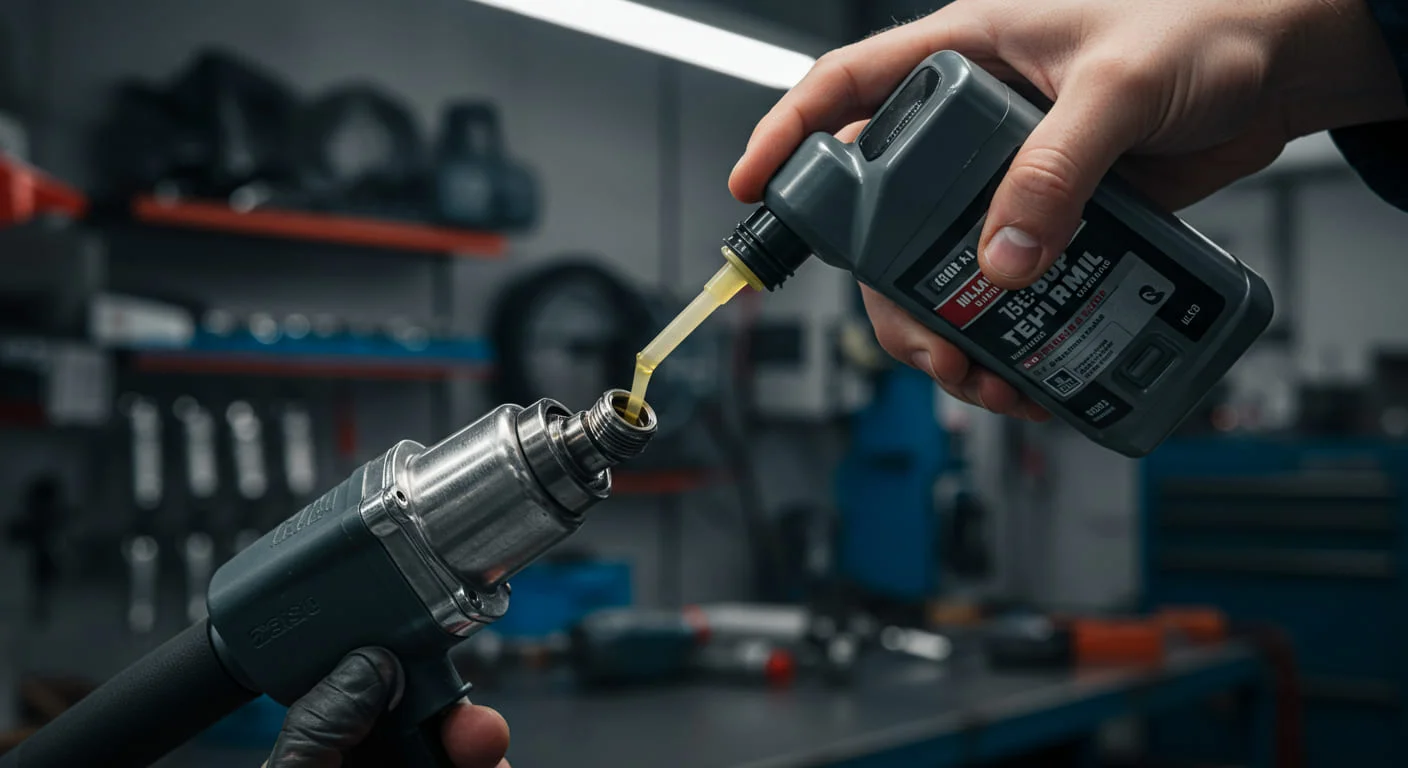
When applying lubricant, it is important to use the correct technique. Apply lubricant to designated areas, avoiding excess that could cause build-up and contamination. Use appropriate tools, such as grease guns, to ensure uniform application.
Monitoring and Maintenance
After lubrication, it is essential to monitor equipment performance. Check regularly for signs of wear or failure. Preventative maintenance, which includes lubrication, is key to avoiding major problems in the future.
Optimal lubrication frequency
A ideal lubrication frequency It is a crucial factor in ensuring the performance and durability of pneumatic equipment. Regular lubrication helps prevent excessive wear and mechanical failure, but the exact frequency can vary depending on several factors.
Factors that Influence Frequency
Some factors that can influence lubrication frequency include the type of equipment, operating conditions and the environment in which the equipment is installed. Equipment that operates in more aggressive environments, such as those with high temperatures or exposure to contaminants, may require more frequent lubrication.
Manufacturer's Recommendations
It is always important to follow the manufacturer's recommendations regarding lubrication frequency. Operating manuals often provide specific guidelines that must be followed to ensure proper function and longevity of the equipment.
Performance Monitoring
In addition to following the recommendations, it is essential to monitor the performance of the equipment. If you notice signs of wear or decreased efficiency, you may need to adjust the lubrication frequency. Performing regular inspections can help identify these problems early.
Maintenance Log
Keeping a maintenance log that includes lubrication frequency can be a useful practice. This not only helps ensure lubrication is performed as needed, but also provides valuable data for future maintenance and schedule adjustments.
Common mistakes when lubricating pneumatic equipment
Avoid common mistakes when lubricating pneumatic equipment It is essential to guarantee the efficiency and durability of systems. Many problems can be avoided with proper lubrication practices. Here are some of the most common errors.
Use of Inadequate Lubricants
One of the most common mistakes is choosing lubricants that are not appropriate for the type of equipment. Each machine may have different specifications, and using the wrong product can cause damage and reduce efficiency.
Excessive Lubricant Application
Applying too much lubricant is another common mistake. Excess can lead to the accumulation of residues, which can contaminate the system and cause failures. It is important to follow the manufacturer's recommendations on the amount to be applied.
Neglecting Lubrication Frequency
Failure to lubricate equipment as often as necessary can result in premature wear and mechanical failure. It is essential to establish a maintenance schedule and follow it strictly.
Not Carrying Out Regular Inspections
Lack of regular inspections can lead to undetected problems. Checking the condition of equipment and the effectiveness of lubrication helps identify and correct problems before they become critical.
Importance of Lubrication in Pneumatic Equipment
Adequate lubrication is essential for the efficient operation of pneumatic equipment. Following correct lubrication practices helps avoid problems such as excessive wear and mechanical failures.
By choosing the right lubricant, applying the appropriate amount, and maintaining a maintenance schedule, you can ensure that your equipment operates effectively and safely.
Additionally, being aware of common lubrication errors can prevent unnecessary costs and extend the life of your systems. Therefore, invest in correct lubrication and keep your equipment always in excellent condition.
FAQ – Frequently asked questions about lubrication of pneumatic equipment
Why is lubrication important for pneumatic equipment?
Lubrication is crucial to reduce friction, prevent excessive wear and ensure efficient operation of pneumatic equipment.
How often should I lubricate my pneumatic equipment?
The ideal lubrication frequency depends on the type of equipment and operating conditions, but you should follow the manufacturer's recommendations.
What are the common mistakes when lubricating pneumatic equipment?
Common mistakes include using inappropriate lubricants, over-application, neglecting lubrication frequency and lack of regular inspections.
How do I choose the right lubricant for my equipment?
Check the manufacturer's specifications and choose a lubricant that meets the specific needs of your pneumatic equipment.
What to do if you notice performance problems with your equipment?
If you notice problems, check lubrication and perform regular inspections to identify and correct faults before they become critical.
Can lubrication impact safety in the workplace?
Yes, adequate lubrication helps prevent mechanical failures that can cause accidents, contributing to a safer work environment.